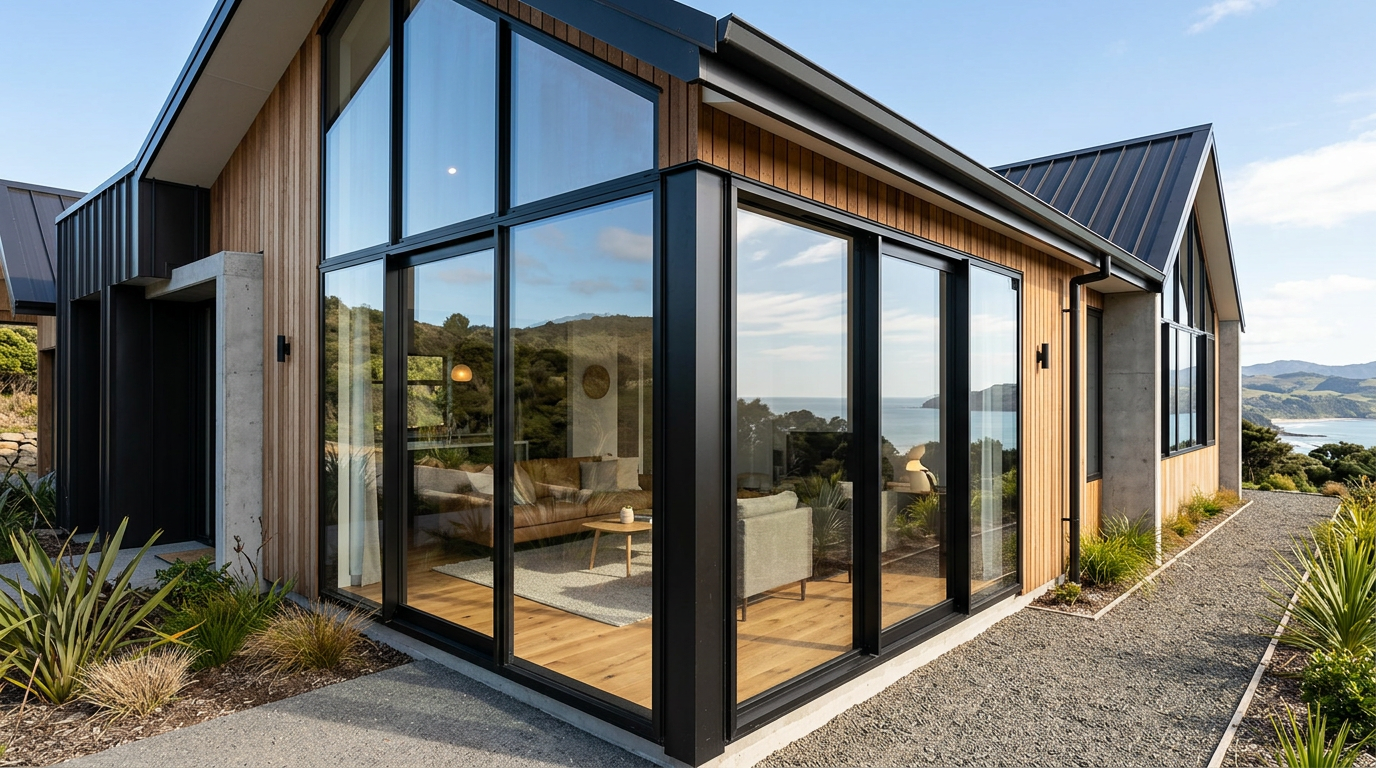
Replacing a cracked glass panel in a ranch slider is technically possible as a DIY project in some situations, but there are important safety, legal, and practical factors to weigh up first. In New Zealand, glazing in ranch sliders is classified as safety glazing under the Building Code, which means the type of glass you use — and how it's installed — really matters. Read on to understand what's involved before you pick up a glass cutter.
Why the Type of Glass Matters
Ranch sliders are large, floor-to-ceiling or near-floor-level sliding doors, which means the glass panels are in a critical location under MBIE's Building Performance guidelines and NZS 4223 (the New Zealand standard for glazing in buildings). Glass in these locations must be safety glass — either toughened (tempered) or laminated — to reduce the risk of serious injury if it breaks.
Using standard float glass as a replacement is not compliant and could be dangerous. Always confirm the correct glass specification with a glazier or your local council before purchasing replacement glass.
Does Replacing Glass Need a Building Consent?
In most cases, replacing a like-for-like glass panel in an existing ranch slider is considered maintenance work and falls under Schedule 1 of the Building Act as exempt from building consent. However, this exemption only applies if:
- You are replacing the glass with the same type and specification (e.g., toughened safety glass of the same thickness).
- You are not altering the frame, structure, or weathertightness of the building.
Always check with your local council before starting work, as interpretations can vary and your specific situation may differ. You can find general guidance at MBIE Building Performance.
What's Actually Involved in the Job?
Replacing a ranch slider panel is more involved than swapping a small window pane. Here's what the process typically looks like:
1. Measure Carefully
Measure the existing panel's height, width, and thickness precisely. Ranch slider glass is usually 6 mm toughened glass, but double-glazed units (IGUs) are increasingly common in NZ homes and are a different matter entirely (see below).
2. Source the Right Glass
You'll need to order toughened safety glass cut to size from a glass supplier. This is not something you cut yourself — toughened glass cannot be cut after tempering. Suppliers such as those listed on tradedirectory.co.nz can help you source the right product.
3. Remove the Glazing Beads and Old Panel
Most ranch slider frames use glazing beads (thin strips of aluminium or PVC) that clip or screw into the frame to hold the glass. These need to be carefully removed. The old glass — even if cracked — can be very heavy and sharp. Always wear heavy-duty gloves and safety glasses.
4. Clean the Frame and Rebed the Glass
The frame rebate (the channel the glass sits in) should be cleaned of old glazing tape, putty, or silicone. New glazing tape or setting blocks are used to support and seal the new panel correctly.
5. Fit the New Panel and Reattach Beads
With a helper, carefully set the new glass into the frame on setting blocks, then reattach the glazing beads firmly and evenly.
Single Glazing vs. Double Glazing — A Big Difference
| Type | DIY Feasible? | Notes |
|---|---|---|
| Single toughened glass | Possibly, with care | Correct glass spec is critical |
| Double-glazed unit (IGU) | Not recommended | Sealed units must be factory-made; incorrect installation voids performance |
| Laminated glass | Possibly, with care | Check spec carefully |
If your ranch slider is double glazed, the panel is an insulated glass unit (IGU) — two panes of glass sealed together with a spacer and inert gas fill. These cannot be repaired; they must be replaced as a complete sealed unit, custom-made to size. Fitting an IGU correctly to maintain weathertightness and thermal performance is a skilled job, and most homeowners are better off leaving this to a professional glazier.
Safety Considerations
- Toughened glass panels in ranch sliders are heavy — a standard panel can weigh 30–60 kg or more. You will need at least one strong helper and ideally proper glass-handling suction cups.
- Broken or cracked toughened glass can shatter suddenly into small cubes. Handle with extreme care and dispose of safely.
- Working with large glass panels at floor level still carries a significant risk of cuts and crush injuries.
- Review safe handling guidance at WorkSafe NZ before starting.
When to Call a Professional
While a confident, practical homeowner may be able to replace a simple single-glazed toughened panel, there are several situations where you should call a qualified glazier:
- The panel is double glazed (IGU).
- The panel is large or very heavy and you don't have the right equipment or a capable helper.
- The frame is damaged, corroded, or out of square.
- You are unsure of the glass specification required.
- The ranch slider is in a rental property — landlords have obligations under the Healthy Homes standards and need to ensure all work is compliant.
- You want the work documented for insurance or future sale purposes.
A licensed glazier will ensure the correct safety glass is used, the installation is weathertight, and the work meets the NZ Building Code. You can find qualified local glaziers on tradedirectory.co.nz.



 Window & Glass Association