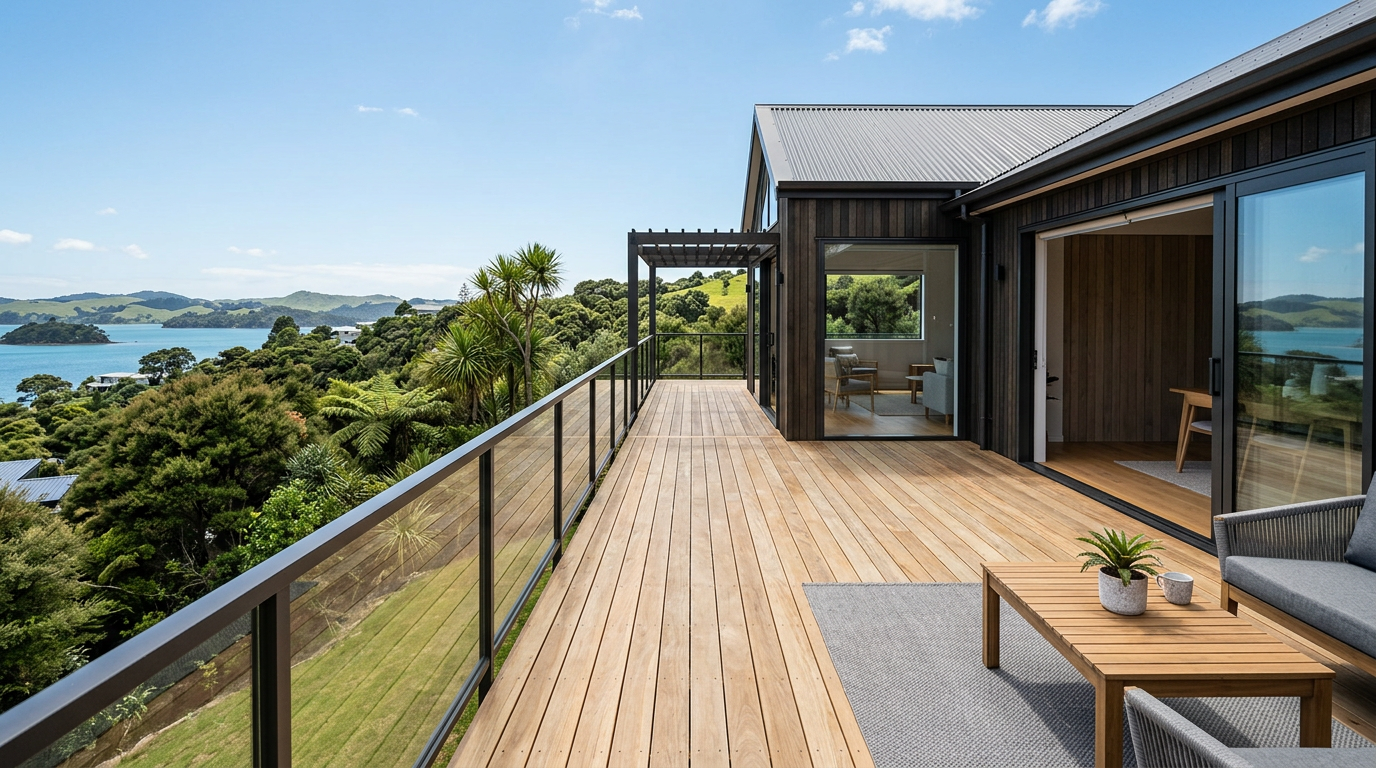
Overlaying new decking boards over old ones can be a tempting shortcut to refresh a tired-looking deck — and in some situations it's perfectly viable. However, it's only a good idea if the existing structure beneath is genuinely sound. Skipping a proper assessment can lead to costly problems down the track, including structural failure, rot, and potential liability issues.
Why the Substructure Matters Most
The decking boards you walk on are only the visible layer. Beneath them sit the joists, bearers, and piles that carry the load. Before you even think about laying new boards on top of old ones, you need to be confident that:
- The existing joists and bearers are free from rot, borer, and significant weathering
- The existing boards are structurally sound enough to act as a stable nailing base
- The combined height of old boards plus new boards won't create a trip hazard or conflict with door thresholds, steps, or drainage
- The added weight won't overload the existing structure
If there is any doubt about the condition of the framing, stop and get a professional assessment. A qualified deck builder or Licensed Building Practitioner (LBP) can give you a clear picture. You can find experienced local deck builders on tradedirectory.co.nz.
When Overlaying Can Work
Overlaying is most likely to be suitable when:
- The existing deck is relatively level and the boards are still firmly fixed
- The joists beneath are in good condition (no soft spots, no visible rot)
- The existing boards are hardwood or treated timber that hasn't cupped, twisted, or split badly
- Adding the extra board thickness won't raise the deck height to a point that triggers consent requirements (more on this below)
- Drainage and ventilation beneath the deck won't be further compromised
In these cases, you can screw or clip new decking boards directly over the old ones, typically running them at 90° to the existing boards for better structural integrity and to avoid following any existing warps.
When You Should NOT Overlay
Do not overlay new boards if:
- Any joists or bearers feel soft or spongy — this is a sign of rot and the whole structure may need rebuilding
- The existing boards are badly cupped, warped, or uneven — new boards will follow the same undulations
- There is evidence of borer or fungal decay in the timber
- The deck is already close to the maximum height for a consent-exempt structure
- Water is pooling on the existing deck surface, suggesting drainage problems that overlaying will only make worse
- The existing boards are not firmly fixed and bounce or flex underfoot
In these situations, it's nearly always better to strip the deck back to the frame, assess and repair the structure, and start fresh with new decking.
NZ Building Code and Consent Considerations
This is an important area where many homeowners get caught out. In New Zealand, decks are subject to the NZ Building Code and may require a building consent depending on their height and size.
Under Schedule 1 of the Building Act, some deck work is exempt from consent — but the rules are specific and depend on factors like:
- The height of the deck above ground (generally, decks more than 1.5 m above ground may require consent — check with your local council for the specific thresholds that apply to your situation)
- Whether the work is considered maintenance or a new structure
- Whether the deck is attached to the house
Adding a layer of new boards over old ones could be considered alteration work rather than simple maintenance, particularly if it changes the deck's height or load characteristics. Always check with your local council before proceeding — don't assume the work is exempt. MBIE Building Performance has useful guidance on what requires consent.
BRANZ also publishes technical guidance on timber deck construction and maintenance that's worth reviewing.
Choosing the Right New Decking Boards
If you do proceed with overlaying, choose decking boards suited to NZ conditions:
| Timber Type | Notes |
|---|---|
| H3.2 treated pine | Common, affordable, suitable for above-ground exterior use |
| Kwila (Merbau) | Durable hardwood; check sustainable sourcing |
| Composite decking | Low maintenance; check manufacturer's fixing requirements |
| Vitex or Garapa | Durable hardwoods; good weather resistance |
For treated pine, ensure it carries at least an H3.2 hazard class rating for above-ground exterior use. Suppliers like Bunnings, Mitre 10, and PlaceMakers stock a range of treated decking options.
Practical Tips for Overlaying
- Probe every existing board and joist with a screwdriver before you start — soft spots mean rot
- Remove any loose or protruding fixings from the old boards first
- Use stainless steel or hot-dipped galvanised screws to fix new boards — never plain steel, which will rust and stain
- Allow a 3–5 mm gap between new boards for drainage and expansion
- Check that any existing handrails or balustrades remain compliant in height after the new boards are laid — the Building Code sets minimum handrail heights
- Seal the ends of cut boards with an appropriate timber preservative
When to Call a Professional
Call a qualified deck builder or Licensed Building Practitioner if:
- You find any rot, borer, or structural damage during your inspection
- The deck is more than 1 m above ground
- You're unsure whether your project needs a building consent
- The existing structure looks undersized or poorly built
- You want the peace of mind of a professional sign-off
A professional can also advise on whether overlaying is genuinely cost-effective compared to a full deck replacement. Find qualified deck builders near you on tradedirectory.co.nz.




 Licensed Building Practitioner (LBP)





