See the latest posts from tradesmen around the country

Can I Insulate Internal Walls Myself Without Removing the Plasterboard?

Yes, you can insulate internal walls without removing plasterboard using blown-in or injection foam insulation — but there are important limits to know first.

Can I Insulate Internal Walls Myself Without Removing the Plasterboard?

Yes, it is possible to insulate internal walls without removing the plasterboard, and many NZ homeowners do exactly this. The most practical methods involve drilling small holes and either blowing in loose-fill insulation or injecting foam — no full wall strip-out required. That said, there are real limitations, safety considerations, and situations where a professional is the smarter call.

Why Insulate Internal Walls?

Most people focus on ceiling and underfloor insulation first, and rightly so — those areas offer the biggest thermal gains. However, internal wall insulation can meaningfully reduce noise transfer between rooms (think bedrooms next to living areas or bathrooms) and help maintain comfortable temperatures in individual rooms. It can also contribute to meeting the Healthy Homes Standards if you're a landlord.

Methods That Don't Require Removing Plasterboard

1. Blown-In Loose-Fill Insulation

This is the most common retrofit method. Small holes (typically 50–65 mm diameter) are drilled into the wall cavity — either through the plasterboard from inside, or through the exterior cladding from outside. Loose-fill insulation (usually polyester fibre or glasswool) is then blown in using a hose and machine. The holes are patched and repainted afterwards.

Key points:

  • Works best in stud-framed walls with clear, unobstructed cavities
  • Requires a blowing machine, which can be hired from some tool hire outlets
  • Patching and repainting the holes adds extra steps
  • Results can be uneven if there are noggins, blocking, or other obstructions inside the cavity

2. Injection Foam Insulation

Two-part injection foam (such as products from Sika or similar manufacturers) can be injected through small drilled holes. The foam expands to fill the cavity. This method is often used by professional installers and can be trickier for DIYers because overfilling can bow or crack the plasterboard.

Key points:

  • Better at filling irregular cavities than loose-fill
  • Risk of damage if over-injected — professional application is strongly recommended
  • Some products have off-gassing considerations; always follow manufacturer safety data sheets

3. What About Spray Foam from the Outside?

If you have accessible wall cavities from the outside (e.g., removing a section of weatherboard or cavity batten), a contractor can spray polyurethane foam directly. This is generally not a DIY job and may affect your cladding warranty.

Can a Homeowner Do This Themselves?

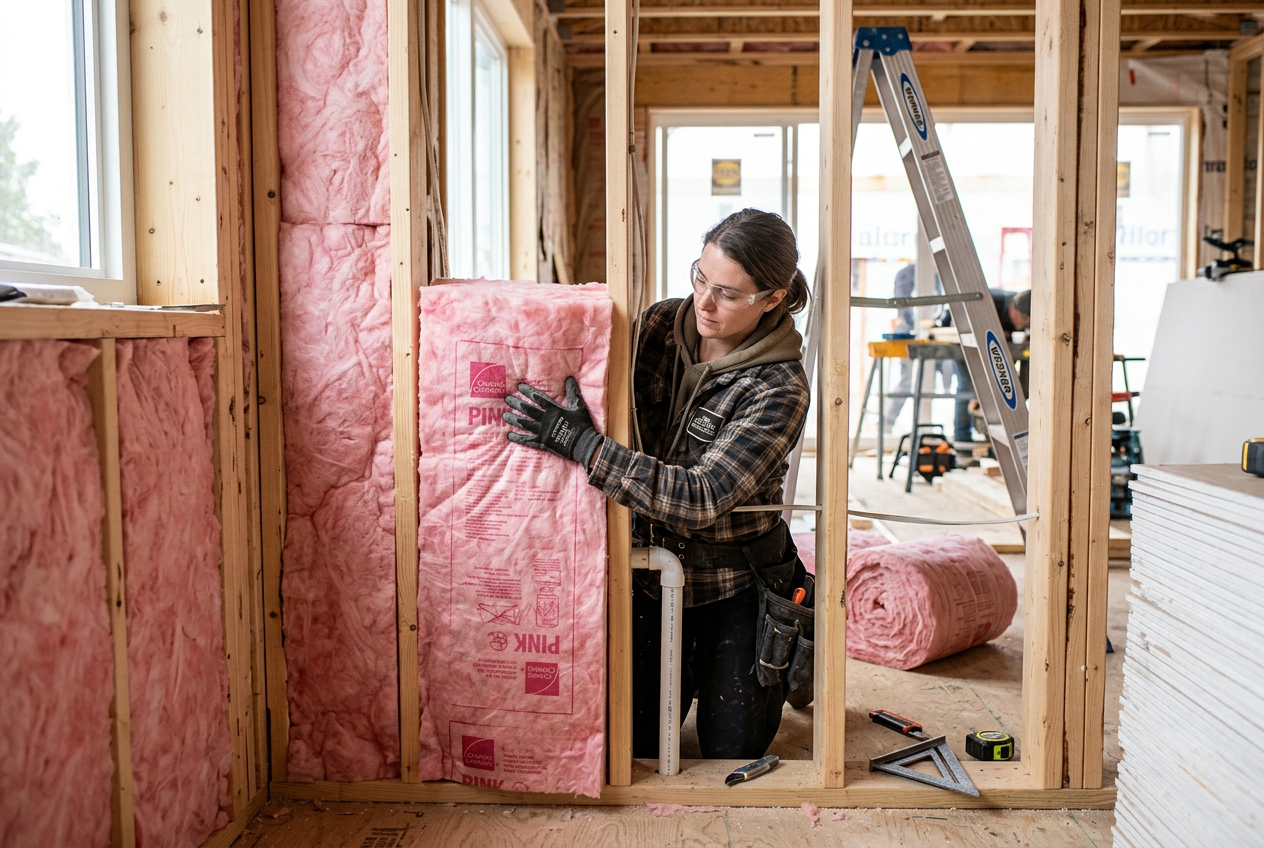
For blown-in loose-fill insulation, a capable DIYer can tackle this job, provided:

  • You are confident identifying wall framing, noggins, and any services (pipes, wiring) inside the wall
  • You take care not to drill into electrical cables or plumbing — this is a serious safety risk
  • You use appropriate PPE (dust mask rated for fibres, safety glasses, gloves)
  • You patch and make good the holes properly afterwards

Before drilling, use a stud finder and a cable/pipe detector to check for hidden services. WorkSafe NZ has guidance on working safely around hidden hazards in walls.

Electrical and Plumbing — Restricted Work Warning

This is critical: do not drill into or disturb electrical wiring or plumbing. In New Zealand, any work on electrical wiring is restricted electrical work and must be carried out by a registered electrician licensed under the Electrical Workers Registration Board (EWRB). Similarly, plumbing work is restricted under the Plumbers, Gasfitters and Drainlayers Board (PGDB). If you accidentally damage wiring or pipes, stop work and call a licensed tradesperson immediately.

Does This Require a Building Consent?

In most cases, adding insulation to existing internal walls is exempt from building consent under Schedule 1 of the Building Act — but this depends on the scope of work and your specific situation. You should confirm with your local council before starting, particularly if the work involves any structural changes or affects fire-rated walls (e.g., between a garage and living space). MBIE Building Performance has useful guidance on what work requires consent.

Choosing the Right Insulation Product

For blown-in applications, look for products with a suitable R-value for your climate zone. NZ is divided into climate zones, and the BRANZ website has helpful guidance on recommended R-values. Common NZ products include glasswool and polyester loose-fill options available from suppliers like Bunnings or Mitre 10.

MethodDIY Friendly?DisruptionBest For
Blown-in loose-fillYes, with careLowStandard stud walls
Injection foamNot recommendedLowIrregular cavities
Strip and battYesHighFull renovations

Limitations to Be Aware Of

  • Obstructions: Noggins, blocking, and fire stops can prevent insulation from filling the full cavity. You may end up with gaps.
  • Existing services: Pipes and cables take up space and create risk.
  • Plasterboard condition: Older or damaged GIB board may not patch up neatly. GIB has patching guides on their website.
  • Moisture: Internal walls generally don't need a vapour barrier, but check if the wall has any moisture issues before sealing it up.

When to Call a Professional

Hire a qualified insulation installer if:

  • You're unsure about what's inside your walls (services, fire-rated construction)
  • The walls have complex framing or many obstructions
  • You want injection foam — over-injection by an inexperienced person can cause real damage
  • The property is a rental and you need to meet Healthy Homes compliance
  • You want a warranty on the work

A professional installer will have the right equipment, experience reading wall cavities, and can patch and finish the holes properly. You can find qualified local insulation installers on tradedirectory.co.nz.

Frequently Asked Questions

What size holes do I need to drill to blow in insulation?+

Typically holes of around 50–65 mm diameter are drilled between each stud bay. The exact size depends on the nozzle of the blowing equipment you're using. Always check the insulation manufacturer's instructions and patch the holes carefully with plasterboard filler or a plug once complete.

Will blown-in insulation completely fill the wall cavity?+

Not always. Noggins, blocking, pipes, and cables inside the wall can prevent insulation from reaching every part of the cavity. A professional installer can use a camera or probe to check for obstructions before and after filling.

Do I need a building consent to insulate internal walls in NZ?+

In most cases, adding insulation to existing internal walls is exempt from building consent under Schedule 1 of the Building Act. However, you should always confirm with your local council before starting, especially if fire-rated walls or structural elements are involved.

Is internal wall insulation worth it for warmth, or just for soundproofing?+

Internal walls don't separate your home from the outside, so the thermal benefit is modest compared to ceiling or underfloor insulation. The main benefit of internal wall insulation is usually acoustic — reducing noise between rooms. That said, it can help individual rooms retain heat more effectively.

Can I use expanding spray foam from a can to insulate my walls?+

Consumer-grade expanding foam in a can is not suitable for filling large wall cavities — it expands unpredictably and can bow or crack plasterboard. It's best reserved for sealing small gaps around pipes or cables. For cavity filling, use products and methods specifically designed for that purpose.

Need a Insulation Installer?

Find qualified insulation installers near you in our directory.

Find a Insulation Installer →

Insulation Installers Near You

Elite Insulation Ltd logo

Insulation Installer

5.0(334)

Auckland, Auckland

Elite Insulation Ltd is an insulation installer based in Auckland, specialising in underfloor, ceiling, and new build insulation. They also provide insulation removal, rental property assessments, borer control, and ground moisture barrier installation.

Enstall Insulation Ltd logo

Insulation Installer

Auckland, Auckland

Enstall - Specialist insulation installer for new and existing homes in Auckland | eco-friendly insulation & energy saving options

Aeon Energy Solutions logo

Insulation Installer

Mount Maunganui, Bay of Plenty

Heat Pumps, Solar & Insulation Hamilton 0800 024 025 0800 024 025 Heat Pumps Heat Pumps By Brand - Gree Heat Pumps - Mitsubishi Electric Heat Pumps - Samsung Heat Pumps - Hitachi Heat Pumps Heat Pump Benefits Heat Pump Installation Heat Pumps Tauranga Insulation Ceiling Insulation Underfloor Insulation Ground Moisture Barriers New Build Insulation Landlords Insulation Insulation Installation Ventilation Mitsubishi Lossnay Systems Smart Vent Systems Ventilation Benefits...

Southtile Ltd logo

Insulation Installer

Invercargill, Southland

South Island NZ 1 × × Continue Shopping Review Cart Insulation Retrofit Insulation New Build Insulation Commercial Insulation Garage Door Insulation Shop Brick Lintel Bars Bricks Project Us Return policy Southtile Invercargill Southtile Ltd | Bricks | Tiles | Fire bricks & refractory | Insulation | Tools | Masonry supplies | South Island...

Auckland Insulation logo

Insulation Installer

Kumeu, Auckland

https://www.aucklandinsulation.co.nz – Auckland Insulation Ltd Call the Experts 0800 358 348 Item added to your cart View cart Check out Continue shopping Insulating Kiwi Homes Since 1987 Existing Homes If you live in an older , chances are your insulation may not be up to modern standards. Fortunately, we provide a range of that will raise your 's comfort and overall condition, with detailed options to suit your needs and budget . . . Read More...

Battman Home Improvements logo

Insulation Installer

Lower Hutt, Wellington

Wellington's most reliable and affordable insulation installation company. We provide personalised insulation assessments and free quotes. Battman Insulation Ltd service the greater Wellington Region, including the Hutt Valley, Kapiti Coast, and Porirua.

Plasterboard & Linings Stores Near You

Stock up for this job — plasterboard & linings suppliers and stores, with address, phone and email.

Advanced Stopping logo

Advanced Stopping

Dunedin

Plasterboard & Linings

Plasterboard installation Dunedin | gib fixing Otago Interior plastering, gib stopping, installation and decorative plaster repairs throughout Dunedin. Contact our professionals now!

Global Linings logo

Global Linings

Auckland

Plasterboard & Linings

Global Linings are Specialists in Plasterboard Linings and Interior Solutions. Established in 1991, Global Linings offer clients 30 years of trusted experience, market leaders for workmanship and project delivery

HBS Interior Linings logo

HBS Interior Linings

Auckland

Plasterboard & Linings

If you are looking for Auckland painting services, your search ends here. We are your reliable choice for all kinds of house painters in Auckland. Call us now.

The Stop Shop logo

The Stop Shop

Auckland

Plasterboard & Linings

For all your plasterboard supplies in Auckland. We stock a full range of board and cove, including GIB plasterboard, fixing, stopping materials, tools etc.

A5 Interior Linings logo

A5 Interior Linings

Auckland

Plasterboard & Linings
Browse all plasterboard & linings suppliers →
Last updated: Last reviewed:

The information on this page is provided as a general guide only. Kiwi Trade Directory makes no representations or warranties regarding the accuracy, completeness, or suitability of this information for your specific situation. Costs, timeframes, and recommendations vary significantly depending on your location, property, and individual circumstances. Always obtain multiple quotes from qualified tradespeople and seek independent professional advice before undertaking any home improvement or building work. Kiwi Trade Directory accepts no liability for any loss or damage arising from reliance on the information provided on this site.