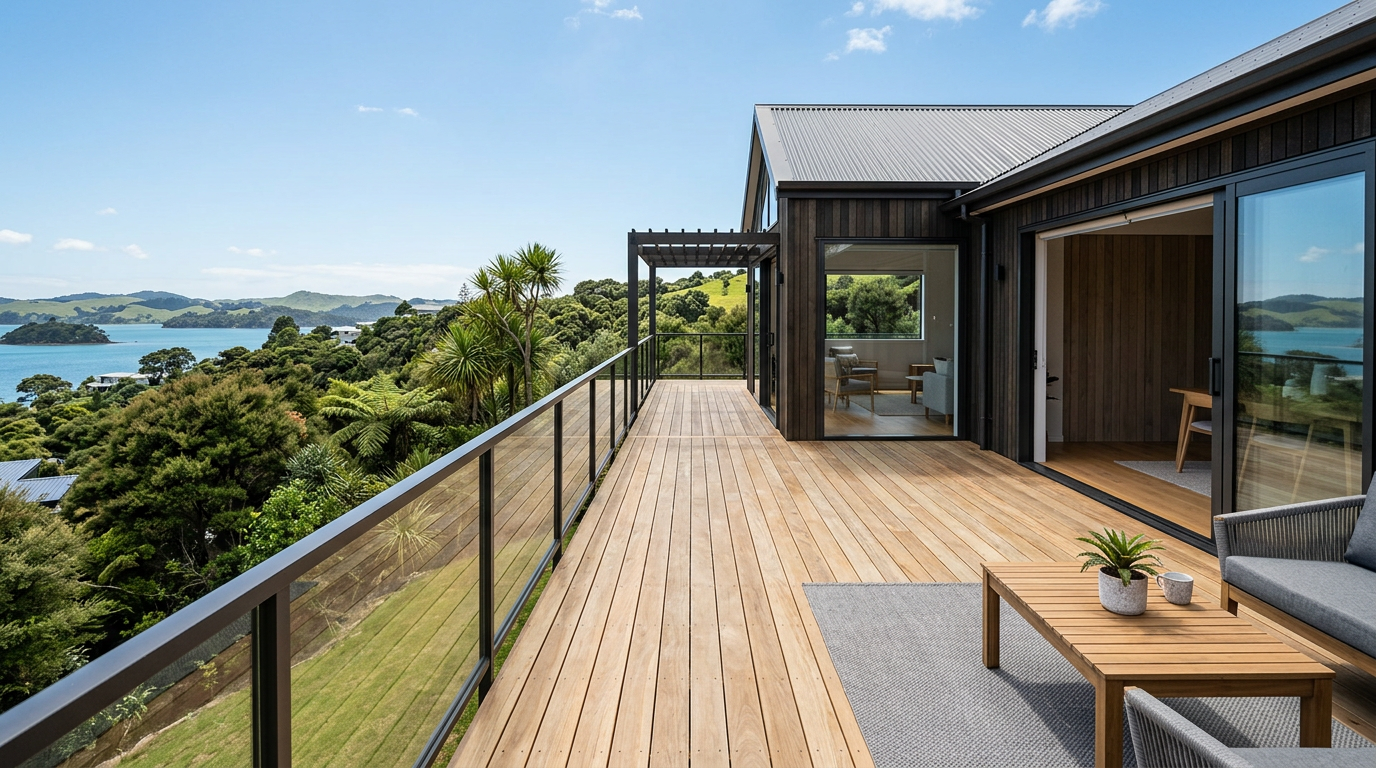
Installing deck lighting can transform your outdoor space, but in New Zealand the rules around electrical work are strict — and for good reason. The short answer is: it depends on the type of lighting and voltage involved. Some low-voltage systems are perfectly legal for homeowners to install themselves, while any work involving your mains (230V) electrical supply must be carried out by a licensed electrician.
Understanding NZ Electrical Licensing Rules
In New Zealand, electrical work is restricted work under the Electricity Act 1992. This means that connecting, altering, or working on any mains-voltage (230V) wiring — including installing new outdoor power points, running cable from your switchboard, or hardwiring light fittings — must be done by a registered electrician. This isn't just a recommendation; doing this work yourself is illegal and can void your home insurance.
The Electrical Workers Registration Board (EWRB) oversees licensing in NZ. You can check whether an electrician is registered on their website before hiring.
What Homeowners Can Legally Do Themselves
The good news is that there's a genuine DIY pathway for deck lighting — low-voltage and plug-in systems. Here's what you can typically do without a licensed electrician:
- Plug-in outdoor lighting: Any lighting that simply plugs into an existing outdoor power point is fine for homeowners to install. This includes string lights, plug-in spotlights, and similar fittings.
- Solar-powered lights: Fully self-contained solar deck lights, post cap lights, and path lights require no electrical connection at all. These are completely DIY-friendly.
- 12V low-voltage systems: Some deck lighting kits run on 12V DC via a plug-in transformer. As long as the transformer itself plugs into an existing power point (rather than being hardwired), the low-voltage side of the system is generally safe for homeowners to install and connect.
- Battery-operated lights: Wireless, battery-powered deck lights need no electrical knowledge whatsoever.
Important: Even with plug-in systems, make sure your existing outdoor power point is weatherproof and rated for outdoor use. If it isn't, you'll need a licensed electrician to upgrade it.
What Requires a Licensed Electrician
The following tasks must be carried out by a licensed electrician — no exceptions:
- Installing new outdoor power points or weatherproof GPOs on your deck
- Running new mains cable from your switchboard or consumer unit
- Hardwiring 230V light fittings directly into your home's wiring
- Installing in-ground or in-deck recessed mains-voltage fittings
- Any work inside your switchboard or meter box
Once a licensed electrician completes restricted work, they are legally required to issue you a Certificate of Compliance (CoC). Always ask for this — it's your proof the work is safe and legal, and you'll need it if you ever sell your home.
Choosing the Right Deck Lighting
For most DIYers, a 12V plug-in transformer system or solar lights offer the best balance of effect and ease. Here are some practical tips:
Placement and Weatherproofing
- Look for fittings with an IP rating of IP44 or higher for covered decks, and IP65 or higher for exposed outdoor areas.
- Avoid placing lights where water can pool around them.
- Secure cables neatly using outdoor-rated cable clips to prevent trip hazards — especially important under the NZ Building Code and for general safety.
Popular Deck Lighting Options
| Type | DIY-Friendly? | Notes |
|---|---|---|
| Solar post/path lights | ✅ Yes | No wiring needed |
| Plug-in string lights | ✅ Yes | Needs existing outdoor GPO |
| 12V transformer kit | ✅ Yes | Transformer must plug in, not hardwire |
| Hardwired 230V downlights | ❌ No | Licensed electrician required |
| New outdoor power point | ❌ No | Licensed electrician required |
Where to Buy
You'll find a good range of outdoor and deck lighting at Bunnings and Mitre 10, including solar, low-voltage transformer kits, and weatherproof plug-in options.
Building Consent Considerations
Deck lighting itself doesn't typically require a building consent, but if your deck is new or being significantly altered, the deck structure itself may require consent depending on its height and size. Schedule 1 of the Building Act lists some exemptions, but rules vary — always check with your local council before starting any building work. The MBIE Building Performance website is a helpful starting point.
Safety First
⚠️ Never attempt mains electrical work yourself. Faulty wiring is a leading cause of house fires and electrocution in New Zealand. Even if you're confident, unlicensed electrical work is illegal, unsafe, and can invalidate your insurance. For more on electrical safety, visit WorkSafe NZ.
When to Call a Professional
If you want hardwired deck lighting, a new outdoor power point, or anything connected directly to your mains supply, you need a licensed electrician. It's also worth getting a professional involved if you're unsure about the condition of your existing outdoor wiring or power points.
A qualified deck builder can also advise on the best lighting layout for your deck design and coordinate with an electrician during the build — making the whole process smoother. You can find experienced local deck builders and electricians on tradedirectory.co.nz.



 Licensed Building Practitioner (LBP)





