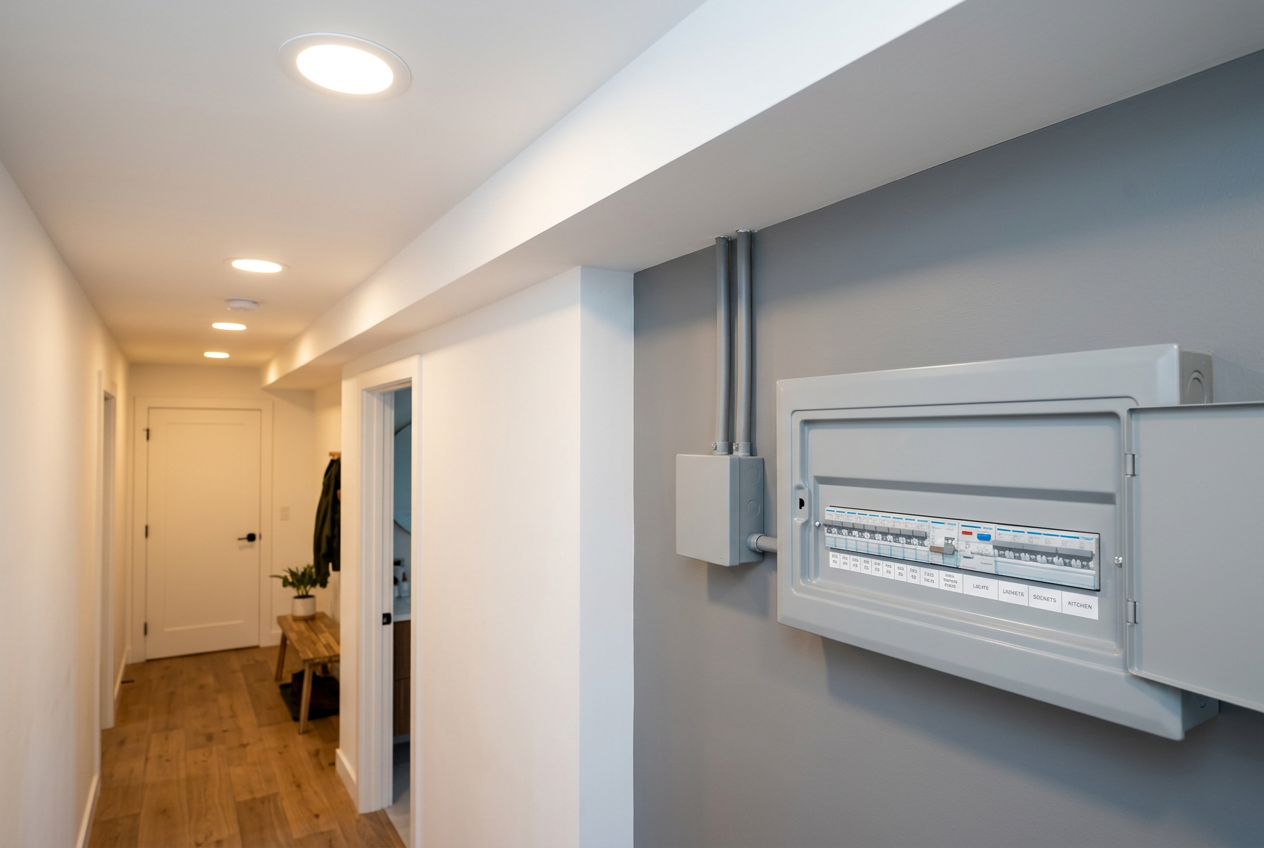
Installing a USB charging wall plate is a popular upgrade — it lets you charge phones and tablets without a bulky adaptor. In New Zealand, however, replacing or modifying a wall outlet is classified as restricted electrical work, meaning it must be carried out by a licensed electrician. Here's a clear breakdown of the rules, the process, and what to expect.
What Is a USB Charging Wall Plate?
A USB charging wall plate (sometimes called a USB outlet or USB GPO) replaces your existing general-purpose outlet (GPO) with a unit that includes one or more USB-A or USB-C charging ports alongside standard power sockets. The USB ports draw power from the mains supply inside the wall, so they require a direct connection to your home's wiring — not just a plug-in swap.
Why This Is Restricted Electrical Work in NZ
Under the Electricity Act 1992 and associated regulations, any work that involves connecting to, or modifying, fixed household wiring is restricted electrical work. This includes:
- Removing an existing GPO from the wiring
- Connecting a new outlet (including USB wall plates) to the mains
- Any work inside the wall cavity or switchboard
Only a registered electrician (or a person under their direct supervision) is legally allowed to carry out this work. The Electrical Workers Registration Board (EWRB) maintains the register of licensed electricians in New Zealand. Doing this work yourself — or hiring an unlicensed person — is illegal, can void your home insurance, and poses a serious fire and electrocution risk.
What a Homeowner CAN Legally Do
While you cannot do the wiring work yourself, you are allowed to:
- Choose and purchase the USB wall plate you want installed
- Point out the location to your electrician
- Plug in USB adaptors or power boards into existing outlets (no wiring involved)
If you simply want USB charging without any wiring work, a quality plug-in USB charger or a multi-port USB power board is a perfectly legal and practical alternative you can install yourself.
The Installation Process (What Your Electrician Will Do)
When a licensed electrician installs a USB charging wall plate, they will typically:
- Isolate the circuit at the switchboard before touching any wiring
- Remove the existing GPO and disconnect the wiring safely
- Connect the new USB wall plate to the existing wiring, following the manufacturer's instructions and NZ wiring standards (AS/NZS 3000, commonly called the "Wiring Rules")
- Test the installation with appropriate equipment to confirm safe operation
- Issue a Certificate of Compliance (CoC) — a legal document confirming the work meets the NZ electrical regulations
Always ask your electrician for the Certificate of Compliance. Keep it with your home records — you may need it when selling your property.
Choosing the Right USB Wall Plate
Not all USB wall plates sold online are suitable for use in New Zealand. Look for products that:
- Carry the SAA or RCM mark (Regulatory Compliance Mark), confirming they meet Australian/NZ safety standards
- Are designed for 230V, 50Hz mains supply (standard in NZ)
- Come from a reputable supplier — your electrician can often recommend a reliable brand or source one for you
- Offer USB-C Power Delivery (PD) if you want fast charging for modern devices
Be cautious with very cheap imports from online marketplaces, as these may not meet NZ safety standards and could be a fire hazard.
Does This Require a Building Consent?
In most cases, replacing a like-for-like outlet (same location, no new circuits) does not require a building consent under Schedule 1 of the Building Act 2004. However, regulations can vary, and it's always worth confirming with your local council if you're unsure. Your electrician will be familiar with what's required. For more guidance, visit MBIE Building Performance.
Cost and Time: What to Expect
As a rough guide, having a licensed electrician swap out one or two GPOs for USB wall plates is a relatively quick job — often completed in under an hour per outlet. Costs will vary depending on your location, the electrician's call-out fee, and the cost of the wall plate itself. Get two or three quotes from local electricians to compare.
Healthy Homes and Rental Properties
If you're a landlord considering this upgrade in a rental property, all electrical work must still be carried out by a licensed electrician. The Tenancy Services Healthy Homes standards don't specifically require USB outlets, but maintaining safe, compliant electrical installations is a landlord obligation.
When to Call a Professional
You should always call a licensed electrician for this job — it is not optional under NZ law. A registered electrician will:
- Complete the work safely and legally
- Issue the required Certificate of Compliance
- Ensure your home insurance remains valid
- Identify any underlying wiring issues (older NZ homes sometimes have aluminium wiring or outdated fittings that need attention)
You can find qualified, local electricians on tradedirectory.co.nz. Always check that your electrician is registered with the EWRB before work begins.
Safety note: Never attempt to open a wall outlet or touch any wiring yourself. Mains electricity can kill. Even with the switch turned off at the wall, wiring inside the outlet box may still be live.

 Site Safe
 Licensed Electrical Inspector







