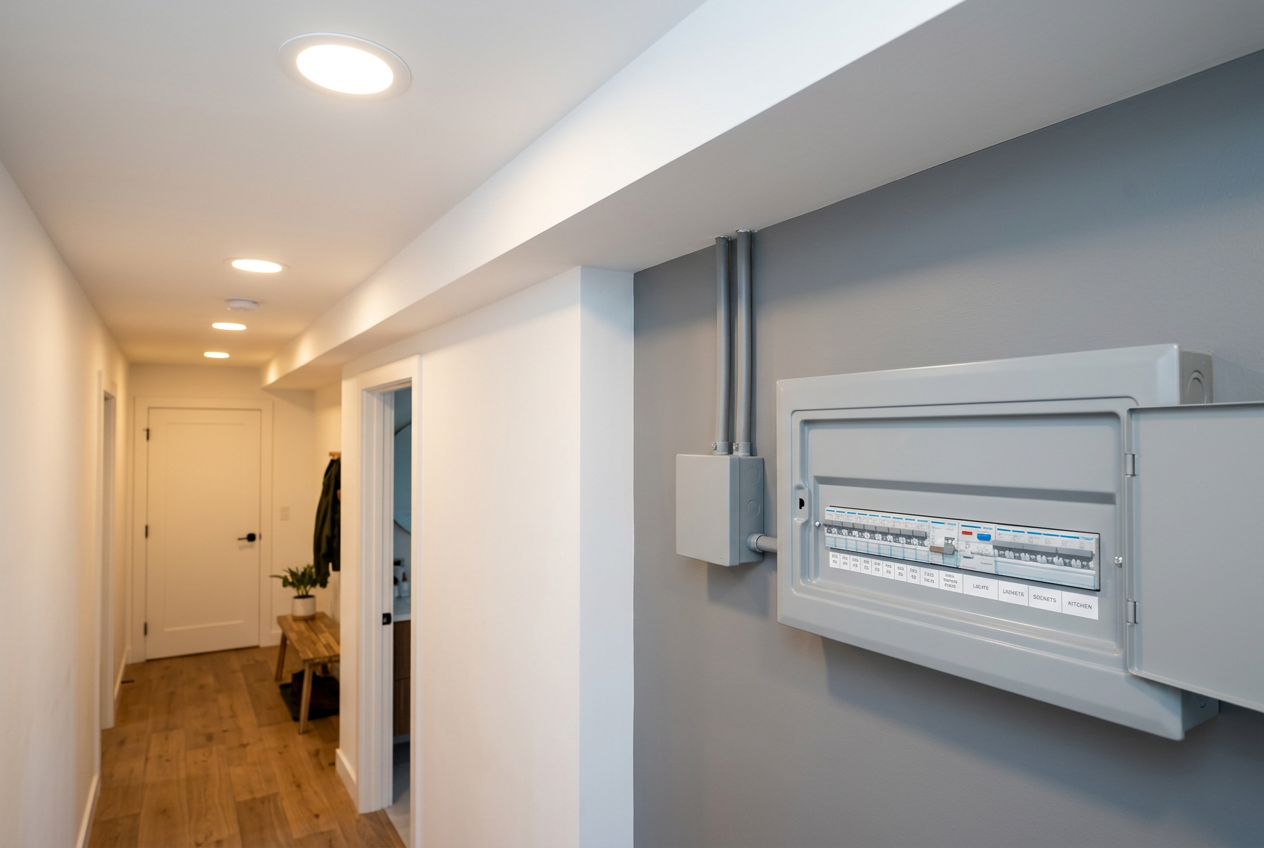
Installing a timer switch on your hot water cylinder is a great way to save energy and reduce power bills — but in New Zealand, the wiring involved is restricted electrical work that must be carried out by a licensed electrician. Here's a clear breakdown of what that means for you, what you can do yourself, and how to get the job done safely and legally.
Why a Timer Switch Is Worth Having
Hot water cylinders are one of the biggest energy users in a typical Kiwi home, often accounting for 30–40% of your electricity bill. A timer switch lets you heat water only during off-peak hours or just before you need it, rather than keeping it hot around the clock. This can lead to meaningful savings on your power bill over time. Energywise has useful guidance on reducing hot water energy use.
What Counts as Restricted Electrical Work in NZ?
Under the Electricity Act 1992 and associated regulations, restricted electrical work (REW) is any work on fixed wiring in your home — including the wiring to and from your hot water cylinder. This means:
- Connecting or disconnecting the cylinder from the mains supply
- Installing or wiring a timer switch into the circuit
- Any work inside your switchboard or consumer unit
- Replacing or modifying the element or thermostat wiring
Only a person registered with the Electrical Workers Registration Board (EWRB) is legally allowed to carry out this work. Once complete, they must issue you a Certificate of Compliance (CoC) — keep this document safe, as you may need it when selling your home or making an insurance claim.
What Can a Homeowner Do?
As a homeowner, you cannot legally wire in a timer switch yourself. However, there are a few things you can do without a licence:
- Plug-in timer switches: If your hot water cylinder is connected via a standard plug and socket (uncommon but possible in some older or portable setups), you may be able to use a plug-in timer. Check your specific setup carefully.
- Smart home controllers: Some systems allow you to control a hot water cylinder via a smart relay or ripple control override — but the installation of any such device that involves fixed wiring still requires a licensed electrician.
- Discussing your needs: You can research options, choose a timer product, and brief your electrician on what you want before they arrive.
If you're unsure whether your cylinder is on a plug or fixed wiring, assume it's fixed wiring and call a professional.
Types of Timer Switches Available
Your electrician can advise on the best option for your situation, but common choices include:
| Type | How It Works | Notes |
|---|---|---|
| Mechanical dial timer | Rotary dial with on/off pins | Simple, reliable, low cost |
| Digital programmable timer | LCD display, multiple daily programmes | More precise scheduling |
| Smart Wi-Fi timer | App-controlled, remote access | Great for flexible households |
| Ripple control override | Works with your network's ripple signal | Check with your lines company |
Products are available at stores like Bunnings and Mitre 10, but remember — purchasing the timer yourself is fine; having a licensed electrician install it is the legal requirement.
Does This Work Require a Building Consent?
Installing a timer switch on an existing hot water cylinder circuit is generally considered routine maintenance or minor alteration and typically does not require a building consent under Schedule 1 of the Building Act 2004. However, regulations can vary and your local council is the definitive authority — always confirm with them if you're unsure. You can find general guidance at MBIE Building Performance.
How Much Does It Cost to Have an Electrician Do It?
As a rough guide, having a licensed electrician supply and install a basic timer switch on a hot water cylinder is a relatively straightforward job — typically taking under an hour of labour. Costs will vary depending on your location, the type of timer chosen, and the electrician's call-out fee. Get two or three quotes to compare.
Safety Note
Hot water cylinder circuits operate at 230V mains voltage and can cause serious injury or death if handled incorrectly. Even switching off the circuit at the switchboard does not make the work safe for an untrained person. Never attempt to wire a timer switch yourself. This is not just a legal requirement — it's a matter of personal safety and protecting your home and family.
For more on electrical safety in the home, visit WorkSafe NZ.
When to Call a Professional
You should contact a licensed electrician any time you want to:
- Install or replace a timer switch on your hot water cylinder
- Upgrade to a smart controller with fixed wiring
- Check whether your current setup is safe and compliant
- Add a dedicated circuit or upgrade your switchboard
A registered electrician will carry out the work legally, issue a Certificate of Compliance, and ensure everything meets the NZ Electrical Code of Practice. You can find qualified local electricians on tradedirectory.co.nz.

 Site Safe
 Licensed Electrical Inspector







