Good news — installing a standard solar-powered garden light is one of the few outdoor lighting jobs that most NZ homeowners can confidently tackle themselves. Because these lights run on low-voltage DC power stored in a small internal battery (charged by a solar panel), they sit outside the definition of restricted electrical work under NZ law. No electrician, no permit, no drama.
Why Solar Garden Lights Are DIY-Friendly
Under the Electricity Act 1992 and its regulations, restricted electrical work covers work on fixed wiring connected to the mains (230 V AC supply). Solar garden lights that are self-contained — meaning the solar panel, battery, and light are all in one unit or connected only to each other by a low-voltage cable — do not connect to your home's mains wiring at all. That means:
- No building consent is required.
- No licensed electrician is required.
- No Certificate of Compliance (CoC) is required.
This makes them a popular, safe, and cost-effective way to light up pathways, garden beds, driveways, and entertaining areas.
What You'll Need
Step-by-Step Installation Guide
1. Choose the Right Location
Solar lights need direct sunlight for several hours a day to charge effectively. Avoid placing them under dense tree canopy, eaves, or in areas shaded by fences for most of the day. North-facing positions generally get the best sun in NZ.
2. Check the Ground or Surface
For spike lights, make sure the ground is clear of underground services (power, water, gas, telecoms). If you're unsure, contact Dial Before You Dig — this is a free service and a sensible precaution.
3. Assemble the Light
Most solar garden lights come partially assembled. Follow the manufacturer's instructions to attach the solar panel head to the stake or bracket. Remove any protective film from the solar panel.
4. Install the Light
- Spike lights: Push or gently mallet the spike into the soil at your chosen spot.
- Wall-mounted lights: Mark and drill fixing holes, insert plugs, and screw the bracket to the wall. Apply a small bead of silicone around the base plate to keep moisture out — important in NZ's wetter regions.
- String or festoon solar lights: Attach hooks or clips along fences, pergolas, or posts as directed.
5. Activate and Test
Most units have a small on/off switch. Switch it on, cover the solar panel briefly to simulate darkness, and check the light activates. Leave it in a sunny spot for a full day before its first proper use.
Choosing Quality Lights for NZ Conditions
NZ weather can be tough — UV exposure, coastal salt air, and heavy rain are all factors. Look for lights with:
| Feature | What to Look For |
|---|---|
| IP Rating | IP44 minimum; IP65 or higher for exposed coastal areas |
| Battery type | Lithium-ion lasts longer than older NiMH batteries |
| LED type | Warm white (2700–3000 K) suits most garden settings |
| Warranty | At least 12 months from a reputable supplier |
For guidance on energy-efficient lighting choices, Energywise has useful general advice on LED and solar technology.
What IS Restricted Electrical Work — Don't Cross This Line
While self-contained solar garden lights are fine to DIY, some outdoor lighting setups do require a licensed electrician. These include:
- Mains-powered outdoor lights wired into your home's 230 V circuit
- Solar systems connected to your home's switchboard (e.g., solar inverter systems — these are absolutely restricted work)
- Low-voltage garden lighting transformers that plug into a mains GPO and then run cables underground — the transformer connection itself is fine, but any work on the GPO or fixed wiring is restricted
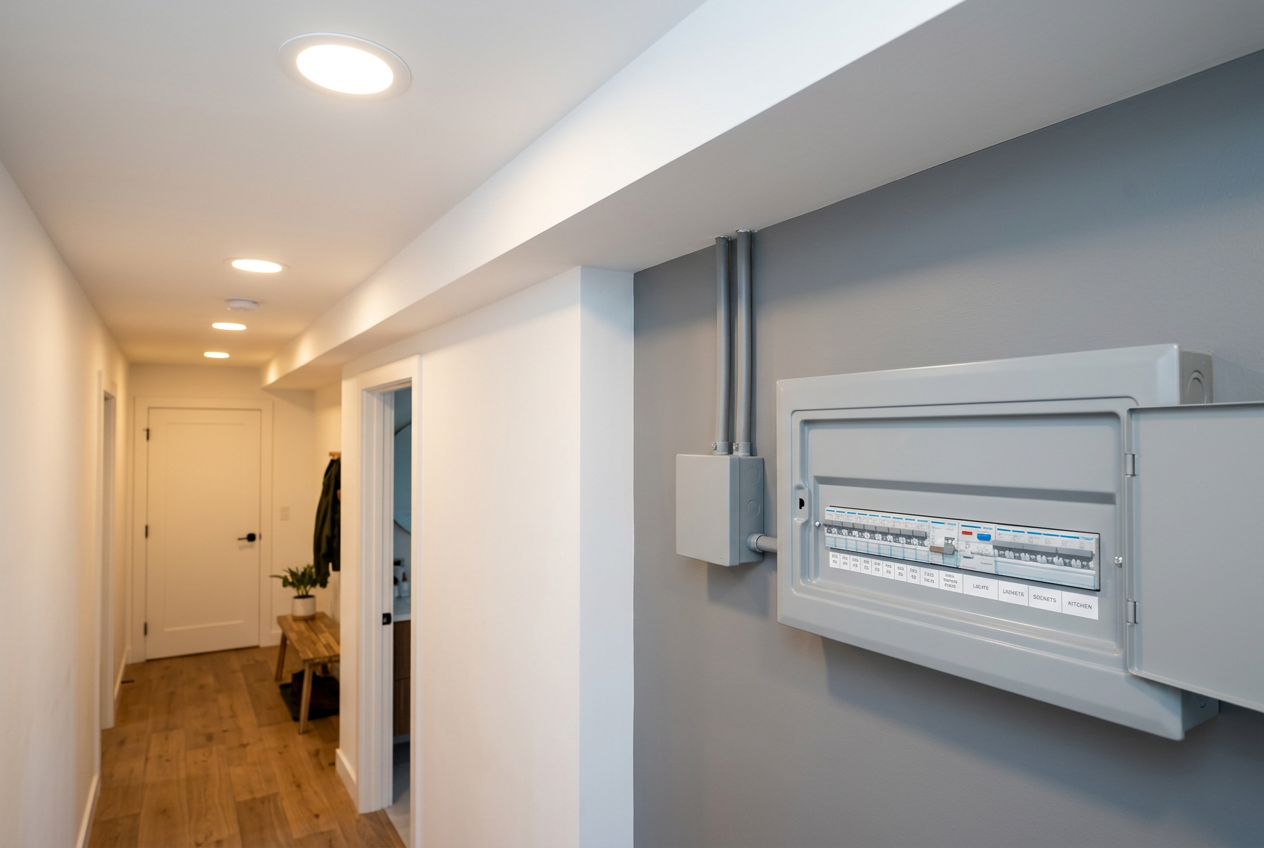
- Any work inside your switchboard or consumer mains
If you're unsure whether your planned setup crosses into restricted work, check with the Electrical Workers Registration Board (EWRB) or consult a licensed electrician.
Safety note: Never attempt to modify or repair the internal wiring of any electrical fitting, even a solar light. If a unit is faulty, replace it rather than attempting repairs.
When to Call a Professional
Call a licensed electrician if your project involves:
- Connecting any outdoor lighting to your home's mains wiring
- Installing a dedicated outdoor circuit or weatherproof GPO
- Running underground mains cables to a garden shed, gate motor, or feature lighting
- Upgrading or adding to your switchboard
You can find qualified, local electricians on tradedirectory.co.nz. Always check that your electrician is registered with the EWRB before work begins.

 Site Safe
 Licensed Electrical Inspector







