Installing a smart home hub to control your existing lighting is something many NZ homeowners can tackle themselves — at least in part. The key is understanding where the DIY work ends and where restricted electrical work begins. Get that boundary right and you can enjoy smart lighting without breaking the law or voiding your home insurance.
What Is a Smart Home Hub?
A smart home hub is a central controller — a physical device or app-based platform — that lets you manage smart devices around your home from one place. Popular platforms used in NZ include Google Home, Amazon Alexa, Apple HomeKit, and dedicated hubs like those from Philips Hue or Samsung SmartThings. The hub communicates with smart devices via Wi-Fi, Zigbee, Z-Wave, or Bluetooth, and typically plugs into a standard power outlet or your router.
What a Homeowner Can Legally Do
The good news is that a significant amount of smart lighting setup is not restricted electrical work and can be done by a competent homeowner:
- Plugging in a hub to a standard GPO (general power outlet) — this is simply plugging in an appliance.
- Installing smart bulbs (e.g. Philips Hue, LIFX, or similar) into existing light fittings — changing a bulb is not electrical work.
- Setting up the hub software, connecting devices to your Wi-Fi network, and configuring automations via the manufacturer's app.
- Installing plug-in smart switches or lamp dimmers that simply plug into an existing outlet.
- Using smart plugs to control lamps and other lighting already on a standard outlet.
These tasks involve no wiring and carry minimal risk when you follow the manufacturer's instructions carefully.
What Is Restricted Electrical Work in NZ?
Under the Electricity Act 1992 and associated regulations, restricted electrical work (REW) must be carried out by — or under the direct supervision of — a licensed electrician registered with the Electrical Workers Registration Board (EWRB). This includes:
- Replacing or installing hardwired light switches with smart switches (even if the wiring already exists).
- Installing in-wall smart dimmers or relay modules that connect to your home's fixed wiring.
- Adding new circuits or outlets to power a hub or smart lighting equipment.
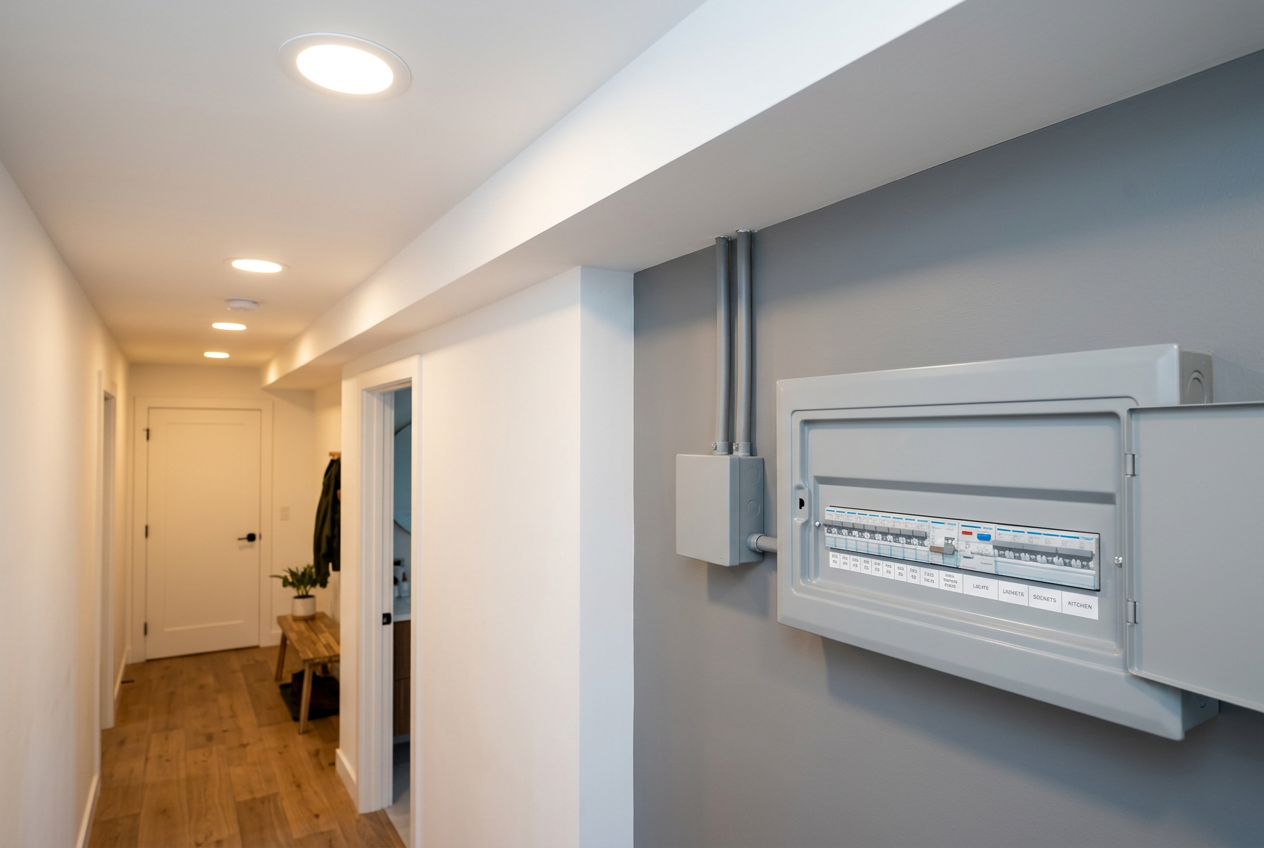
- Any work inside your switchboard, such as adding a smart circuit breaker.
- Installing hardwired smart downlights or any new fixed light fitting.
⚠️ Safety note: Working on fixed household wiring without a licence is illegal in NZ, can result in fines, and — more importantly — creates serious risks of electric shock, fire, and death. It can also void your home insurance policy.
If you're unsure whether a specific task counts as REW, check with the EWRB or ask a licensed electrician before you start.
Choosing the Right Smart Lighting Approach
The approach you take will determine how much professional help you need:
| Approach | DIY Friendly? | Notes |
|---|---|---|
| Smart bulbs + hub | ✅ Yes | No wiring needed; works with existing fittings |
| Plug-in smart switches | ✅ Yes | Plugs into GPO; limited to lamps |
| In-wall smart switches | ❌ No | Requires licensed electrician |
| Smart dimmers (hardwired) | ❌ No | Requires licensed electrician |
| New circuits or outlets | ❌ No | Requires licensed electrician + may need consent |
For most NZ homes, starting with smart bulbs and a hub is the easiest, most affordable, and fully legal DIY path. Brands like Philips Hue and LIFX are widely available at Bunnings and Mitre 10.
Do You Need a Building Consent?
Installing a hub or swapping bulbs does not require a building consent. However, if an electrician is adding new circuits or making significant changes to your home's electrical installation, a Certificate of Compliance (CoC) must be issued by the electrician after the work is completed — this is your legal record that the work meets the NZ Electrical Code of Practice. Always ask your electrician for this document.
For broader smart home upgrades involving structural changes, check with your local council. The MBIE Building Performance website has clear guidance on what requires consent under Schedule 1 exemptions.
Tips for a Smooth Smart Lighting Setup
- Check compatibility before buying: confirm your chosen hub works with your smart bulbs or switches. Not all platforms talk to all devices.
- Use a stable Wi-Fi network: smart lighting relies on a consistent connection. A mesh Wi-Fi system can help in larger NZ homes.
- Consider your existing switches: standard smart bulbs can be accidentally turned off at the wall switch, cutting power to the bulb. Smart switch covers or switch guards can prevent this without any wiring.
- Read the NZ product listings carefully: some smart devices sold overseas may not meet NZ/Australian electrical safety standards. Look for products with the RCM (Regulatory Compliance Mark).
- Rental properties: if you're a landlord, be aware of Healthy Homes obligations and check your tenancy agreement before making changes.
When to Call a Professional
Call a licensed electrician any time you want to:
- Replace existing wall switches with smart switches.
- Install hardwired smart dimmers or in-wall relay modules.
- Add new power outlets or lighting circuits for your smart system.
- Install hardwired smart downlights or feature lighting.
A good electrician can also advise on the best smart lighting ecosystem for your home and ensure everything is wired safely and legally. You can find qualified local electricians on tradedirectory.co.nz.

 Site Safe
 Licensed Electrical Inspector







