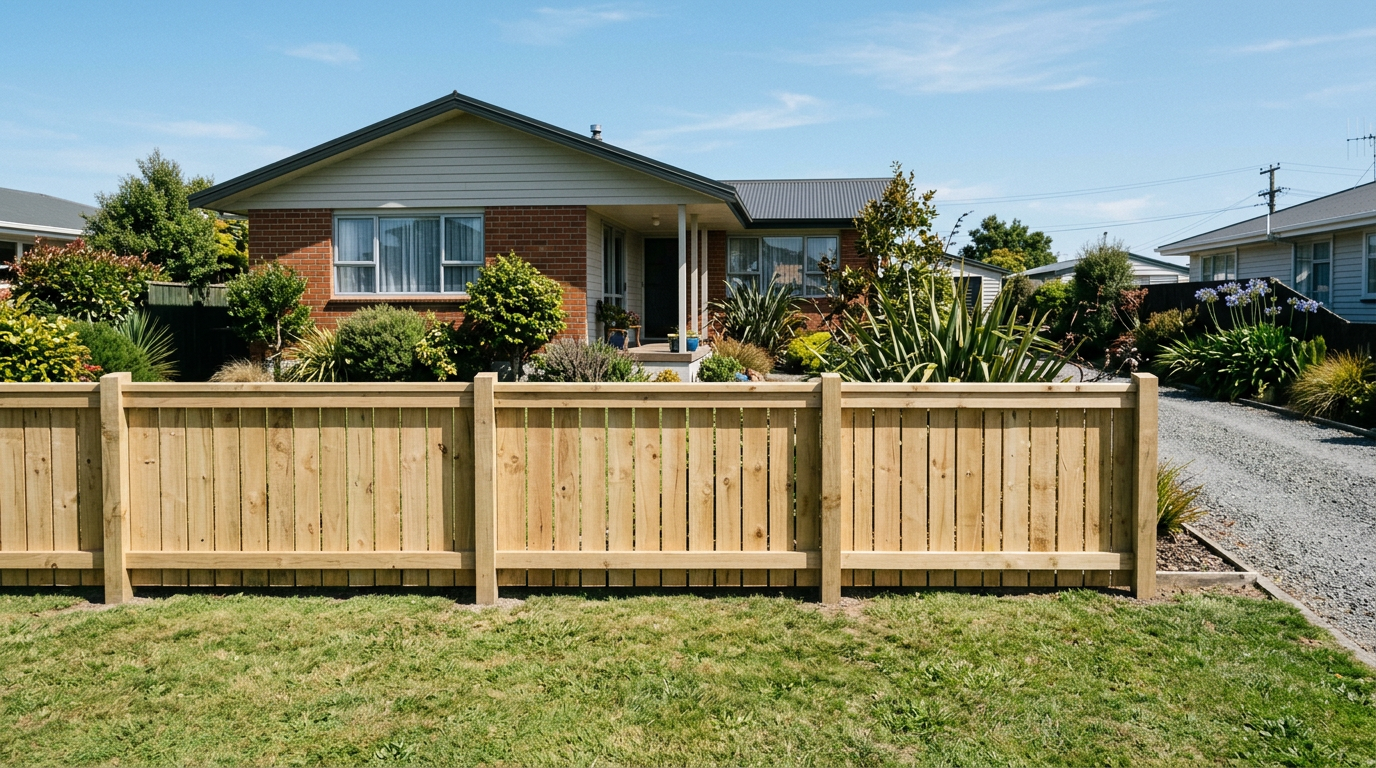
Yes, homeowners in New Zealand can install their own pool fence — but this is one DIY project where the rules are non-negotiable. Pool fencing is governed by the Fencing of Swimming Pools Act 1987 and the NZ Building Code clause F9, and your fence must pass a council inspection before anyone can use the pool. Get it wrong and you could face fines, be ordered to remove and redo the work, or — most seriously — put lives at risk.
Why Pool Fencing Is So Tightly Regulated
Drowning is a leading cause of accidental death for young children in New Zealand. Pool fencing laws exist specifically to prevent unsupervised access by children under five. The rules are set nationally but enforced by your local council, which has the authority to inspect your fence and issue a compliance certificate — or order remedial work if it doesn't meet the standard.
Always check with your local council before you start, as some councils have additional requirements beyond the national minimum.
Do You Need a Building Consent?
Pool fencing generally requires a building consent, though the specifics depend on your situation. Under Schedule 1 of the Building Act 2004, some minor work is exempt — but pool barriers are specifically called out as requiring consent in most cases. Contact your local council to confirm what applies to your project before you buy a single post. You can find general guidance at MBIE Building Performance.
Key Requirements Under NZ Law
The following are the core requirements your fence must meet. Always verify these against your council's current requirements, as rules can be updated.
Height
- The fence must be at least 1.2 metres high on the outside face.
- There must be no climbable footholds on the outside of the fence within 900 mm of the top.
Gaps and Openings
- Vertical gaps must be no more than 100 mm wide (to prevent a child squeezing through).
- Horizontal rails on the outside of the fence must be spaced so they cannot be used as a ladder — typically no horizontal member between 150 mm and 900 mm from the ground on the outside face.
- The gap at the bottom of the fence must be no more than 100 mm.
Gates
- All gates must be self-closing and self-latching.
- The latch must be on the pool side of the gate, at least 1.5 metres from the ground, or enclosed so a child cannot reach it.
- Gates must open away from the pool.
Setbacks and Barriers
- The fence must completely enclose the pool and create a dedicated barrier between the house and the pool.
- Doors and windows in a house wall used as part of the barrier must be alarmed or have restricted opening — check with your council for the exact specification.
Choosing the Right Materials
Common pool fence materials in NZ include:
| Material | Pros | Cons |
|---|---|---|
| Aluminium pool panels | Durable, low maintenance, purpose-built | Higher upfront cost |
| Steel tubular fencing | Strong, long-lasting | Can rust if coating is damaged |
| Glass (frameless/semi-frameless) | Looks great, unobstructed view | More expensive, needs careful installation |
| Timber | Cost-effective, natural look | Requires ongoing maintenance, can warp |
Whatever material you choose, make sure it is rated for outdoor/pool environments. Suppliers at Bunnings and Mitre 10 stock pool fencing systems, and staff can help you find products that meet the dimensional requirements.
Step-by-Step: DIY Pool Fence Installation
- Check with your council — confirm consent requirements and get the current inspection checklist.
- Plan your layout — measure the pool area and mark out post positions, keeping gate placement practical.
- Dial Before You Dig — call 0800 248 344 or visit beforeudig.co.nz to locate underground services before any digging.
- Set posts — concrete posts into the ground to the manufacturer's specified depth. Ensure they are plumb and at the correct height.
- Install panels and rails — follow the manufacturer's instructions precisely. Double-check all gap measurements as you go.
- Fit the gate — install self-closing hinges and a self-latching mechanism. Test repeatedly that it closes and latches every time from any position.
- Do your own pre-inspection check — use a tape measure to verify every gap, height, and latch position against the council's checklist before booking the inspection.
- Book the council inspection — the inspector will issue a compliance certificate if everything meets the standard.
Common Reasons Pool Fences Fail Inspection
- Gate not self-latching reliably
- Bottom gap exceeding 100 mm (often caused by uneven ground)
- Horizontal rails on the outside that can be used as footholds
- Posts not set deep enough, causing movement
- Fence height falling short at any point
Measure carefully and re-check before calling the inspector.
When to Call a Professional
While DIY is legal, pool fencing is a compliance-critical job. Consider hiring a qualified fencer if:
- You are unsure about any of the technical requirements
- Your site has uneven ground, slopes, or complex geometry
- You are using glass panels, which require precise installation
- You want confidence the fence will pass first time
A professional fencer will be familiar with local council requirements and can often spot issues before they become costly. You can find experienced local fencers on tradedirectory.co.nz.
Safety note: Never allow anyone to use the pool until the compliance certificate has been issued by your council. This is a legal requirement, not just a recommendation.





