The short answer is: it depends on the type of charger. Using a standard plug-in EV charger with an existing, compliant power outlet is generally fine for a homeowner to set up themselves. However, installing a dedicated EV charging circuit or hardwired charger is restricted electrical work under NZ law and must be carried out by a registered electrician. Getting this wrong can be dangerous and may void your home insurance.
Understanding the Two Main EV Charging Options
There are two common ways to charge an EV at home in New Zealand:
- Level 1 – Standard 230V plug-in charging: You plug your EV's portable charging cable (sometimes called an EVSE or "granny charger") into an ordinary 10-amp household socket. If a suitable, safe outlet already exists in your garage or carport, you can simply plug in and charge — no electrical work required.
- Level 2 – Dedicated EV charger (wallbox): A faster charger, typically running on a dedicated 32-amp or higher circuit, hardwired or connected via a special outlet. This requires new wiring, a dedicated circuit breaker, and often an upgraded switchboard.
What a Homeowner Can Legally Do
As a homeowner, you can:
- Plug a portable EVSE into an existing, compliant 10-amp or 15-amp outlet without any electrical work.
- Replace a like-for-like socket outlet in some circumstances (though even this sits in a grey area — check with a registered electrician to be sure).
What you cannot do yourself:
- Install a new circuit or sub-board for a dedicated EV charger.
- Install a new power outlet specifically for EV charging.
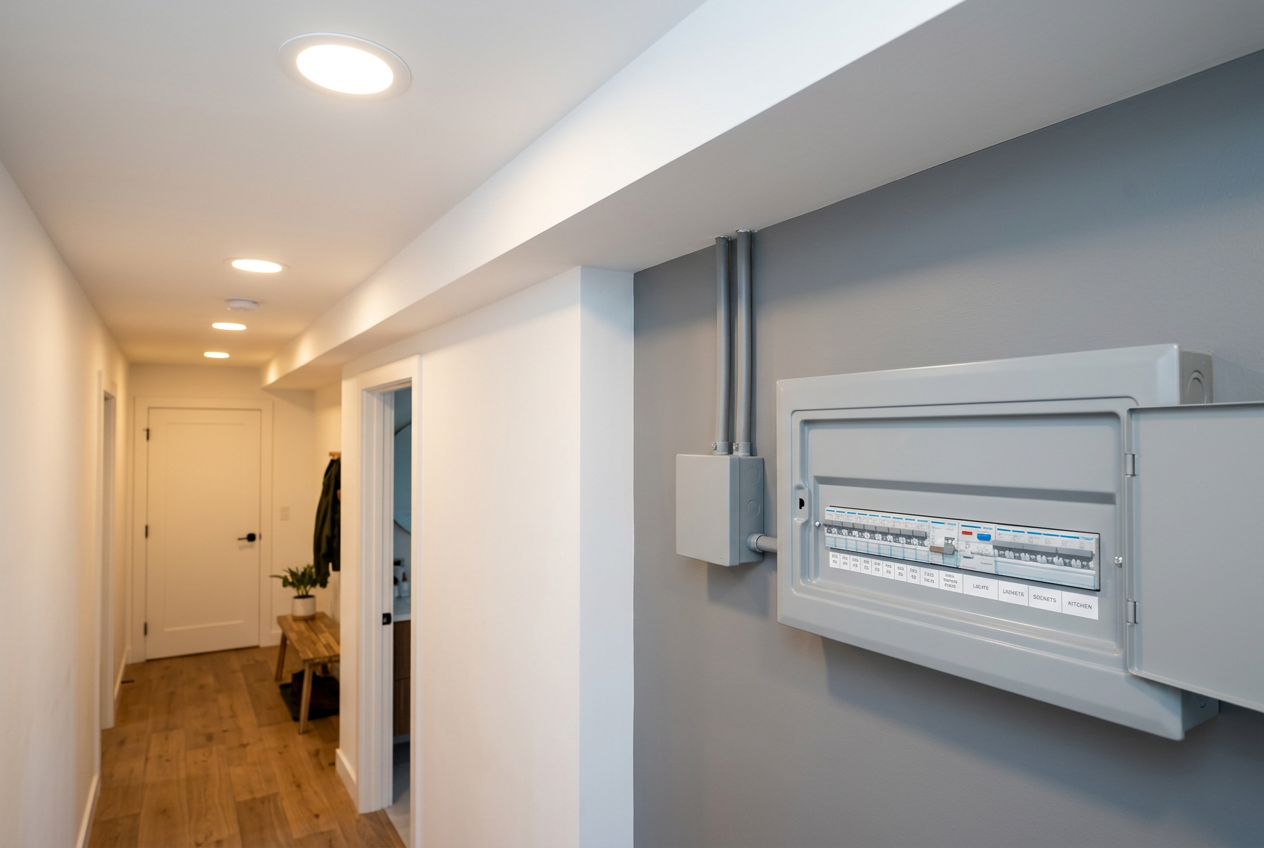
- Carry out any work on your switchboard or consumer mains.
- Install a hardwired wallbox charger.
These tasks are all restricted electrical work under the Electricity Act 1992 and its regulations. Only a registered electrician can legally carry out this work, and it must be certified with a Certificate of Compliance (CoC). You can verify a tradesperson's registration through the Electrical Workers Registration Board (EWRB).
Why a Dedicated Circuit Is Strongly Recommended
While plugging into a standard 10-amp socket is legal, it's not always ideal or safe for long-term EV charging. Here's why a dedicated circuit is worth considering:
| Feature | Standard 10A Socket | Dedicated EV Circuit |
|---|---|---|
| Charge speed | Slow (~8–12 hrs for full charge) | Much faster (~2–6 hrs) |
| Circuit load risk | Higher (shared circuit) | Lower (dedicated breaker) |
| Safety | Acceptable if outlet is compliant | Best practice |
| Future-proofing | Limited | Supports faster chargers |
Running a high-draw appliance like an EV charger on a shared household circuit for hours every night can cause overheating in older wiring or overload a circuit not designed for continuous load. A registered electrician can assess your switchboard and wiring to make sure everything is up to scratch.
Does Installing an EV Charger Require a Building Consent?
In most cases, installing a domestic EV charger does not require a building consent — it's typically covered under Schedule 1 exemptions of the Building Act 2004. However, rules can vary depending on your specific situation (e.g., if structural work to a garage is involved). Always confirm with your local council before starting any work. The MBIE Building Performance website is a good starting point for understanding consent requirements.
Choosing the Right Charger and Installer
When selecting a wallbox charger, look for products that comply with NZ electrical standards and carry appropriate certification. Your electrician can advise on suitable brands and models available through suppliers like Bunnings or specialist EV equipment suppliers.
A good registered electrician will:
- Assess your existing switchboard capacity.
- Install a dedicated circuit with the correct cable sizing and breaker rating.
- Fit an appropriate outlet or hardwire the charger.
- Issue a Certificate of Compliance on completion.
- Advise on smart charging options to take advantage of off-peak power rates (see Energywise for energy-saving tips).
Safety Note
Never attempt to modify your switchboard, run new wiring, or install a new outlet yourself. Faulty DIY electrical work is a leading cause of house fires in New Zealand and can result in serious injury or death. Unlicensed electrical work also carries significant fines under NZ law. If you're ever unsure, stop and call a professional.
When to Call a Professional
You should always engage a registered electrician for:
- Installing any new circuit or outlet for EV charging.
- Upgrading your switchboard to handle the additional load.
- Installing or commissioning a hardwired wallbox charger.
- Any work involving your consumer mains or meter board.
You can find qualified, local electricians in your area on tradedirectory.co.nz. Make sure to ask for their EWRB registration number and confirm they will issue a Certificate of Compliance on completion of the work.

 Site Safe
 Licensed Electrical Inspector







