A plug-in dehumidifier is one of the simplest appliances to use — you plug it in and it runs. However, if you're thinking about adding a dedicated circuit to power it, that's a different story entirely. In New Zealand, installing new electrical circuits is restricted electrical work and must be carried out by a licensed electrician. Here's what you need to know.
What Is a Plug-In Dehumidifier?
A plug-in (or portable) dehumidifier connects to a standard 230 V household outlet — typically a 10 A GPO (general purpose outlet). Unlike hard-wired appliances, no permanent electrical connection is made to the unit itself. You simply plug it in, set it up, and empty the water tank (or connect a drain hose).
For most NZ homes, a dehumidifier draws between 300 W and 800 W depending on its capacity. This means it can generally share a circuit with other low-draw appliances without tripping a breaker — but running it on a shared circuit with other high-draw devices (heaters, washing machines) can cause nuisance tripping.
Can a Homeowner Do Any of This Themselves?
Yes — the appliance side. Plugging a dehumidifier into an existing outlet is completely fine for any homeowner. You can also:
- Position the unit and route the drain hose to a suitable drain or bucket
- Use a heavy-duty extension lead temporarily (though this isn't ideal long-term)
- Replace a like-for-like outlet cover plate (cosmetic only, no wiring)
No — the circuit work. If you want a dedicated circuit run from your switchboard to a new or existing outlet, that is restricted electrical work under the Electricity (Safety) Regulations 2010. This includes:
- Installing a new circuit breaker in the switchboard
- Running new cable through walls, ceiling, or subfloor
- Installing a new GPO outlet on that circuit
Only a person registered with the Electrical Workers Registration Board (EWRB) may carry out this work. Once complete, the electrician must issue you an Electrical Certificate of Compliance (CoC) — keep this document safe.
Why a Dedicated Circuit Can Be Worth It
For a dehumidifier running continuously (common in NZ's damp winters or in subfloor/basement installations), a dedicated circuit offers real benefits:
| Benefit | Detail |
|---|---|
| No nuisance tripping | Dehumidifier won't compete with heaters or appliances |
| Correct cable sizing | Electrician sizes the cable for continuous load |
| Safer long-term operation | Reduces risk of overloaded shared circuits |
| Healthy Homes compliance | Helps landlords meet ventilation and moisture standards |
Landlords in particular should note the Healthy Homes Standards require rental properties to meet specific moisture and drainage requirements — a properly installed dehumidifier circuit can support compliance.
What the Electrician Will Do
A licensed electrician will:
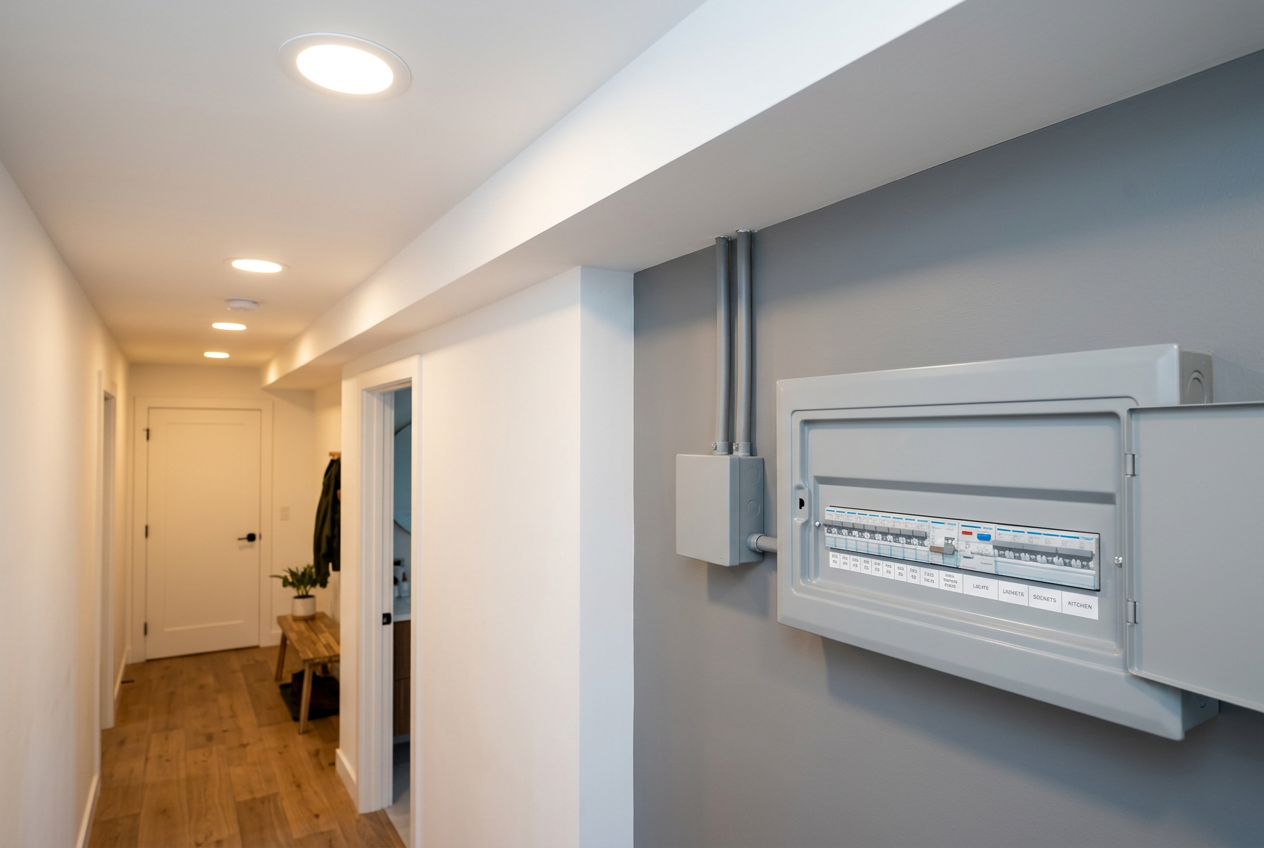
- Assess your switchboard to confirm there is a spare way (slot) for a new breaker, or advise on an upgrade if needed
- Select the correct cable size (typically 1.5 mm² or 2.5 mm² TPS for a 10 A circuit)
- Run the cable via the most practical route — often through the ceiling or subfloor
- Install a new GPO outlet in your chosen location
- Connect and label the new breaker
- Test the circuit and issue a Certificate of Compliance
As a rough guide, a straightforward dedicated circuit installation in an existing home might cost anywhere from $300 to $700+, depending on cable run length, access difficulty, and your region. Always get at least two quotes.
NZ Building Code and Consent Considerations
Electrical work in NZ must comply with the NZ Electrical Code of Practice and relevant standards. Most single-circuit additions do not require a building consent under Schedule 1 of the Building Act — but always confirm with your local council if you're unsure, especially if structural elements (like framing) need to be altered to run cable.
For guidance on what requires consent, MBIE Building Performance is a reliable starting point.
Safety Note
Never attempt to open your switchboard, connect wiring, or modify any circuit yourself. Even with the main switch off, parts of the switchboard (the incoming supply from the street) remain live at all times and can cause fatal electrocution. This is not a risk worth taking.
Also ensure your dehumidifier carries a New Zealand or Australian approval mark (such as the RCM mark) before use. Using unapproved appliances can void your home insurance and create fire hazards.
For more on electrical safety in the home, WorkSafe NZ has useful guidance.
When to Call a Professional
Call a licensed electrician if you want to:
- Add any new circuit from your switchboard
- Relocate or add a new GPO outlet
- Upgrade your switchboard to accommodate extra circuits
- Install a dehumidifier in a subfloor or crawl space where wiring access is complex
You can find qualified, local electricians on tradedirectory.co.nz — look for those with current EWRB registration and check they'll provide a Certificate of Compliance on completion.

 Site Safe
 Licensed Electrical Inspector







