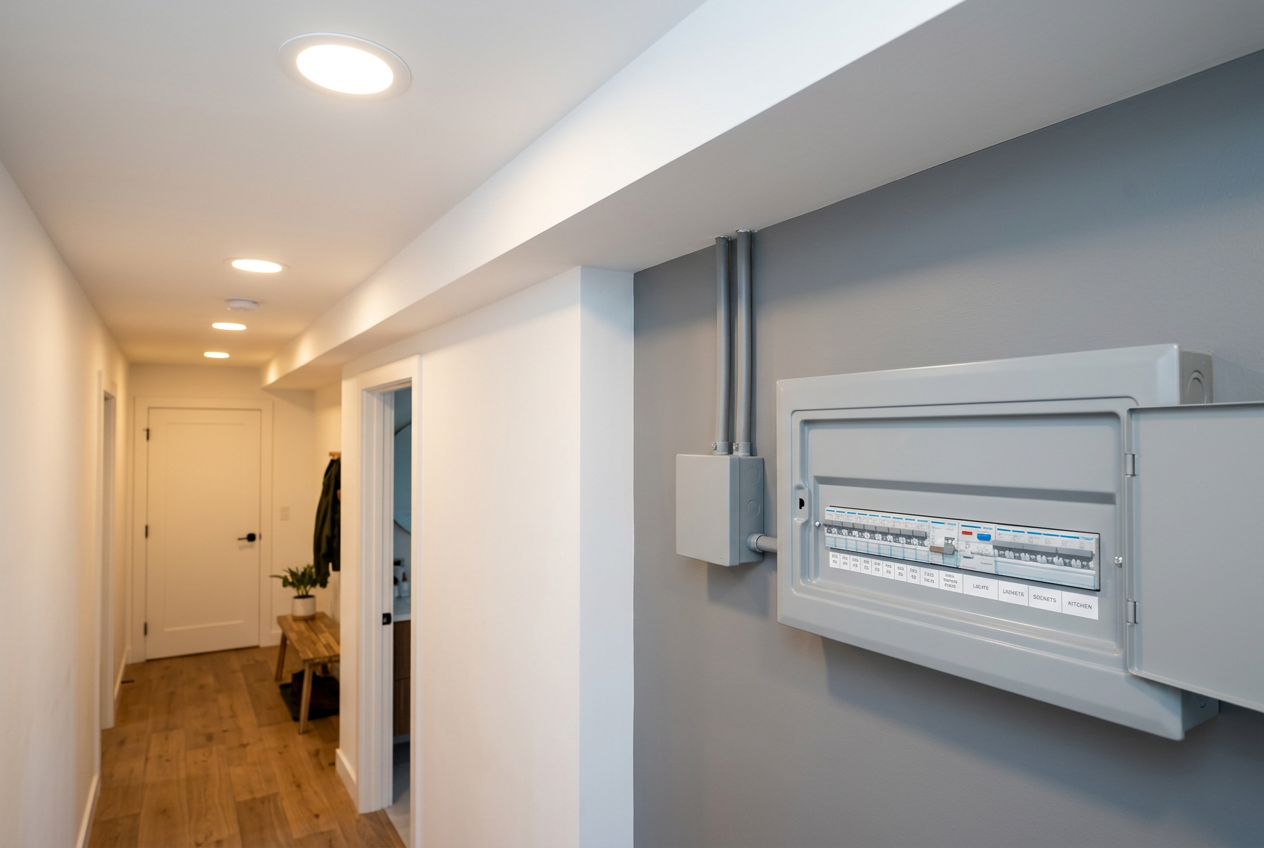
Installing a hardwired smoke alarm in New Zealand is not a full DIY job — the wiring side is classified as restricted electrical work and must be carried out by a licensed electrician. However, there are parts of the process you can handle yourself, and understanding the rules will help you plan the job safely and legally.
What Makes It Restricted Work?
Under the Electricity Act 1992 and its regulations, any work that involves connecting to or modifying your home's fixed wiring — including wiring a hardwired smoke alarm into a circuit — is restricted electrical work. Only a registered and licensed electrician (registered with the Electrical Workers Registration Board) may legally carry out this work. Once complete, they must issue you an Electrical Certificate of Compliance (CoC). Keep this document safe — you may need it when selling your home or making an insurance claim.
Attempting this wiring yourself is illegal and could void your home insurance, create a serious fire or electrocution hazard, and leave you liable if something goes wrong.
What Can a Homeowner Do?
While the wiring is off-limits, you can legally do the following yourself:
- Choose and purchase the smoke alarm unit (more on types below)
- Plan the locations — deciding where alarms should go in consultation with your electrician
- Mount the alarm base plate to the ceiling (once the electrician has run and connected the wiring)
- Test and maintain the alarm after installation — pressing the test button, cleaning dust from the unit, and replacing any backup battery
If you're comfortable doing the prep work before the electrician arrives, you can reduce their time on site and keep costs down.
Battery vs. Hardwired: Which Do You Need?
| Type | Wiring Required | DIY Friendly? | Notes |
|---|---|---|---|
| Standalone battery alarm | No | Yes | 10-year sealed battery models available |
| Hardwired (single) | Yes — 230V connection | No — restricted work | Needs electrician |
| Hardwired interconnected | Yes — 230V + interconnect cable | No — restricted work | All alarms sound together; recommended for larger homes |
For many NZ homeowners, a long-life (10-year) sealed battery smoke alarm is a perfectly legal and practical DIY option. These can be screwed directly to the ceiling without any electrical connection. If you're a landlord or simply want the reliability and interconnection of a hardwired system, you'll need a licensed electrician.
NZ Legal Requirements for Smoke Alarms
All residential properties in NZ must have working smoke alarms. The specific rules depend on your situation:
- Owner-occupiers: Must have working smoke alarms. The NZ Building Code sets out requirements for new builds, which typically specify hardwired, interconnected alarms.
- Rental properties: Under the Healthy Homes Standards, landlords must install smoke alarms that meet minimum requirements — including long-life alarms in certain locations. Check the Tenancy Services website for the current specifics, as rules can change.
- New builds and major renovations: Building consent requirements will generally mandate hardwired, interconnected smoke alarms installed by a licensed electrician.
Always check with your local council if you're unsure whether your project requires a building consent.
Where Should Smoke Alarms Be Installed?
As a general guide (confirm with your electrician or council for your specific situation):
- At least one on every level of the home
- In or near every bedroom — ideally in the hallway outside sleeping areas
- In living areas and at the top of stairwells
- Not directly in kitchens or bathrooms — steam and cooking fumes cause nuisance trips; place them nearby instead
For interconnected hardwired systems, when one alarm detects smoke, all alarms in the home sound simultaneously — giving everyone the best chance of escaping safely.
Choosing the Right Smoke Alarm
There are two main sensor types:
- Ionisation alarms — faster at detecting fast-flaming fires
- Photoelectric alarms — faster at detecting slow, smouldering fires (more common in home fires; generally recommended by fire services)
Photoelectric alarms are widely recommended for residential use in NZ. Look for alarms that comply with AS 3786 (the Australian/NZ standard for smoke alarms). You'll find a good range at Bunnings and Mitre 10.
When to Call a Professional
You must use a licensed electrician for:
- Connecting any smoke alarm to your home's 230V wiring
- Running new cable through walls or ceiling cavities
- Installing or modifying an interconnected alarm circuit
- Any work in the switchboard related to the alarm circuit
Your electrician will issue a Certificate of Compliance on completion — always ask for this. You can verify a tradesperson's licence on the EWRB website.
Need a qualified local electrician? Search for licensed electricians in your area on tradedirectory.co.nz to get the job done safely and legally.
Safety Note
Never attempt to work on live wiring. Even turning off a circuit breaker doesn't guarantee all wires in a ceiling are de-energised. Electrical faults are a leading cause of house fires in NZ — always use a licensed professional for wiring work.

 Site Safe
 Licensed Electrical Inspector







