In New Zealand, installing a power supply for a garden pond pump involves restricted electrical work that must be carried out by a licensed electrician — you can't legally do most of it yourself. That said, there are a few tasks a homeowner can handle safely. Understanding where the line sits will keep you legal, safe, and dry.
Why Pond Pump Wiring Is Treated Seriously
Water and electricity are a dangerous combination. Garden ponds present a real electrocution risk — not just to people, but to pets and wildlife. For this reason, WorkSafe NZ and the Electrical Workers Registration Board take outdoor and water-adjacent electrical installations very seriously. NZ wiring rules (based on AS/NZS 3000, the "Wiring Rules") require that circuits near water features meet strict requirements around IP-rated fittings, RCD (residual current device) protection, cable burial depth, and weatherproof enclosures.
What Counts as Restricted Electrical Work in NZ
Under the Electricity Act 1992 and its regulations, restricted electrical work (REW) must be performed by — or directly supervised by — a registered electrician. For a pond pump installation, this includes:
- Installing or modifying a circuit from your switchboard to an outdoor outlet or junction box
- Wiring a new weatherproof outdoor power outlet (GPO)
- Installing or upgrading an RCD on the circuit
- Running and connecting underground armoured or conduit-protected cable
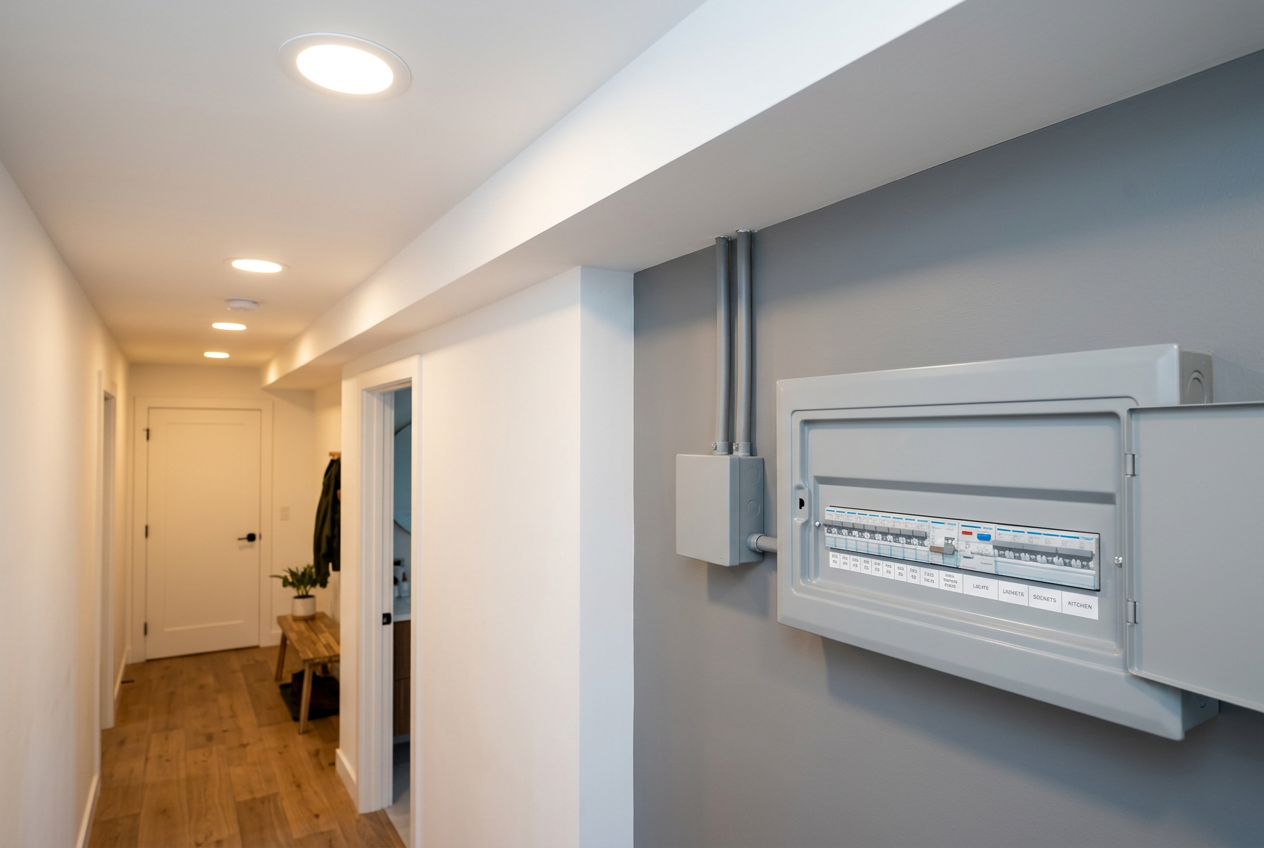
- Any work inside your main switchboard
Once restricted work is complete, the electrician must issue you an Electrical Certificate of Compliance (CoC). Always ask for this — it's your proof the work is safe and legal, and you'll need it if you ever sell your home.
You can check that your electrician is registered at the Electrical Workers Registration Board (EWRB).
What a Homeowner Can Legally Do
There are a few things you can do yourself without being a registered electrician:
- Plugging in a low-voltage or mains-rated pond pump into an existing, compliant outdoor outlet
- Positioning and placing the pump in the pond
- Running the pump's own cable through the garden (but not burying mains-voltage cable yourself without proper conduit and an electrician's sign-off)
- Installing a low-voltage pond lighting kit that runs off a plug-in transformer (the transformer itself plugs into an existing outlet — no wiring required)
- General landscaping and pond construction around the electrical installation
If you already have a compliant, RCD-protected outdoor GPO close to your pond, you may simply be able to plug a suitable pump straight in. Check that the outlet is weatherproof (rated IP44 or higher) and that the circuit has RCD protection — if you're not sure, ask a licensed electrician to check before you use it.
Key Safety Requirements for Pond Pump Circuits
| Requirement | Why It Matters |
|---|---|
| RCD protection (≤30mA trip) | Cuts power instantly if current leaks — essential near water |
| Weatherproof outlet (IP44+) | Prevents moisture ingress into the socket |
| Correct cable type and burial depth | Protects cable from damage; AS/NZS 3000 specifies minimum depths |
| Correct pump rating for outdoor/wet use | Pumps must be rated for submersible or pond use |
| No joins or connections inside the pond | All electrical connections must be outside the water |
Do I Need a Building Consent?
For the electrical work itself, a building consent is generally not required — but the electrical work still needs a CoC. If you're constructing a large pond or making significant changes to your property, check with your local council whether a building consent applies to the pond structure itself. Some councils have specific rules. MBIE Building Performance has guidance on Schedule 1 exemptions, but when in doubt, always confirm with your council directly.
Choosing the Right Pump and Equipment
When selecting a pond pump, look for one that is clearly rated for submersible or outdoor pond use. Reputable hardware retailers like Bunnings and Mitre 10 stock a range of pond pumps suitable for NZ conditions. Always read the manufacturer's installation instructions — some pumps require a dedicated circuit, while others are fine on a shared outdoor circuit.
For the outdoor outlet and conduit, products need to comply with NZ/Australian standards. Your electrician will specify the right materials.
When to Call a Professional
You should always engage a registered electrician for:
- Installing any new outdoor power outlet or circuit
- Running underground cable to the pond area
- Upgrading or adding RCD protection
- Any work at or inside the switchboard
- Checking whether an existing outdoor outlet is safe and compliant for pond use
Hiring a qualified local electrician isn't just about compliance — it's about making sure your family, visitors, and pets are safe around the pond. You can find licensed electricians in your area on tradedirectory.co.nz.
Safety note: Never work on or near electrical wiring while it is live. If you are ever unsure whether an outlet or circuit is safe, switch off the relevant circuit breaker at the switchboard and call a registered electrician before proceeding.

 Site Safe
 Licensed Electrical Inspector







