In most cases, a homeowner in New Zealand can install a doorbell chime unit themselves — but only the low-voltage side of the system. The key is understanding where the legal boundary sits between DIY work and restricted electrical work that must be carried out by a licensed electrician.
How a Doorbell System Works
A typical wired doorbell system has three parts:
- The transformer — steps mains voltage (230 V) down to a safe low voltage (usually 8–24 V AC)
- The push button — mounted at the door, completes the circuit when pressed
- The chime unit — the indoor unit that sounds when the button is pressed
The transformer is connected to your home's mains wiring. Everything on the low-voltage side of the transformer — the bell wire, the button, and the chime unit itself — operates at a safe extra-low voltage.
What a Homeowner Can Legally Do
Under New Zealand's electrical regulations, extra-low voltage (ELV) wiring (generally below 50 V AC or 120 V DC) is not classified as restricted electrical work. This means you can legally:
- Install and connect the chime unit to existing low-voltage bell wire
- Replace or reposition the push button at the door
- Run new bell wire between the transformer, button, and chime
- Replace a like-for-like wireless doorbell system (battery or plug-in, no mains wiring involved)
This covers the vast majority of doorbell chime installations, especially if a transformer is already in place or you're using a wireless/smart doorbell that runs on batteries or a plug-in adapter.
What Is Restricted Electrical Work (and Who Must Do It)
The Electrical Workers Registration Board (EWRB) defines restricted electrical work as any work on fixed wiring connected to the mains supply (230 V). This includes:
- Installing or replacing the doorbell transformer if it is hardwired into your switchboard or a mains circuit
- Running new mains-voltage cable to supply the transformer
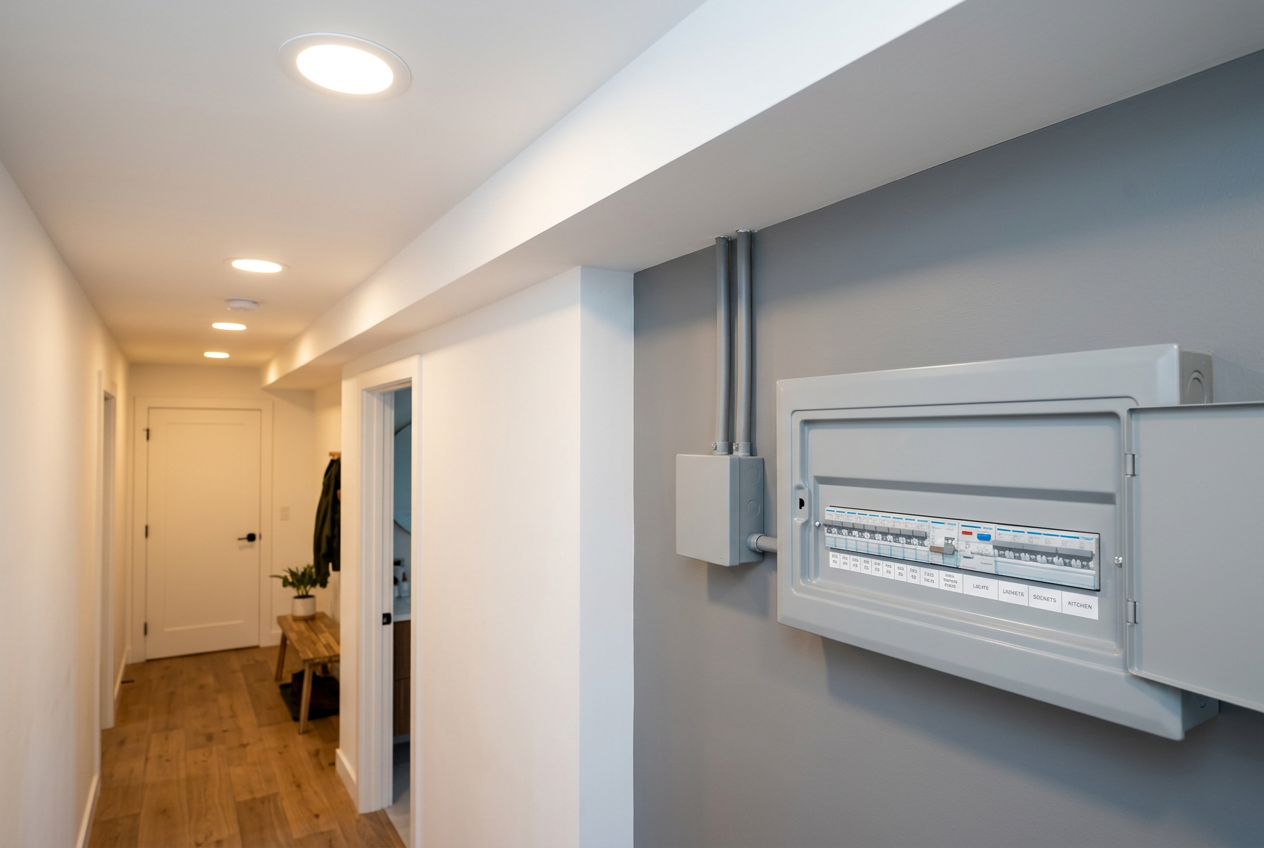
- Any work inside the switchboard or consumer unit
This work must be carried out by a registered electrician and, in most cases, requires a Certificate of Compliance (CoC) to be issued. Doing this work yourself is illegal and can void your home insurance. If you're unsure whether your transformer is hardwired, treat it as mains voltage and call a professional.
You can find a qualified local electrician on tradedirectory.co.nz.
Step-by-Step: Installing a Wired Chime Unit (Low-Voltage Side)
Assuming a transformer is already installed and working, here's how to replace or install a chime unit:
What you'll need
- New chime unit (available at Bunnings or Mitre 10)
- Small screwdriver
- Bell wire (if extending runs)
- Pencil and wall anchors/screws
Steps
- Turn off the transformer at the wall plug or isolate it if hardwired (call an electrician for the latter).
- Remove the old chime unit and note which terminals the wires connect to (photograph it first).
- Mount the new chime unit on the wall at the chosen location — typically in a hallway or living area where it can be heard throughout the home.
- Connect the bell wires to the matching terminals on the new unit (usually labelled TRANS/FRONT/REAR or similar — check the manufacturer's instructions).
- Restore power and test by pressing the doorbell button.
Safety note: Even though bell wire carries low voltage, always confirm the transformer is de-energised before handling wiring. Never assume a wire is safe without checking.
Wireless and Smart Doorbells
Wireless doorbells (battery-powered button, plug-in or battery chime) are the simplest DIY option — no wiring required at all. Smart video doorbells (such as those compatible with Wi-Fi apps) may be battery-powered or may require a low-voltage connection to an existing transformer. Always check the product's voltage requirements before purchasing.
If a smart doorbell requires a hardwired transformer upgrade, that portion of the work must be done by a licensed electrician.
Does This Need a Building Consent?
Installing a doorbell chime unit does not require a building consent — it is a minor electrical fitting and is well within Schedule 1 exemptions under the Building Act. However, any restricted electrical work completed must still have a Certificate of Compliance issued by the electrician. Always confirm specifics with your local council if you are unsure.
For more on what requires consent, see MBIE Building Performance.
When to Call a Professional
Call a licensed electrician if:
- Your existing transformer is hardwired (not a plug-in type) and needs replacing or upgrading
- You need a new mains circuit run to supply a transformer
- You're unsure whether any wiring in the system is mains voltage
- Your smart doorbell installation requires modifications to fixed wiring
A registered electrician will ensure the work is safe, legal, and covered by a Certificate of Compliance. Find a trusted local sparky on tradedirectory.co.nz.

 Site Safe
 Licensed Electrical Inspector







