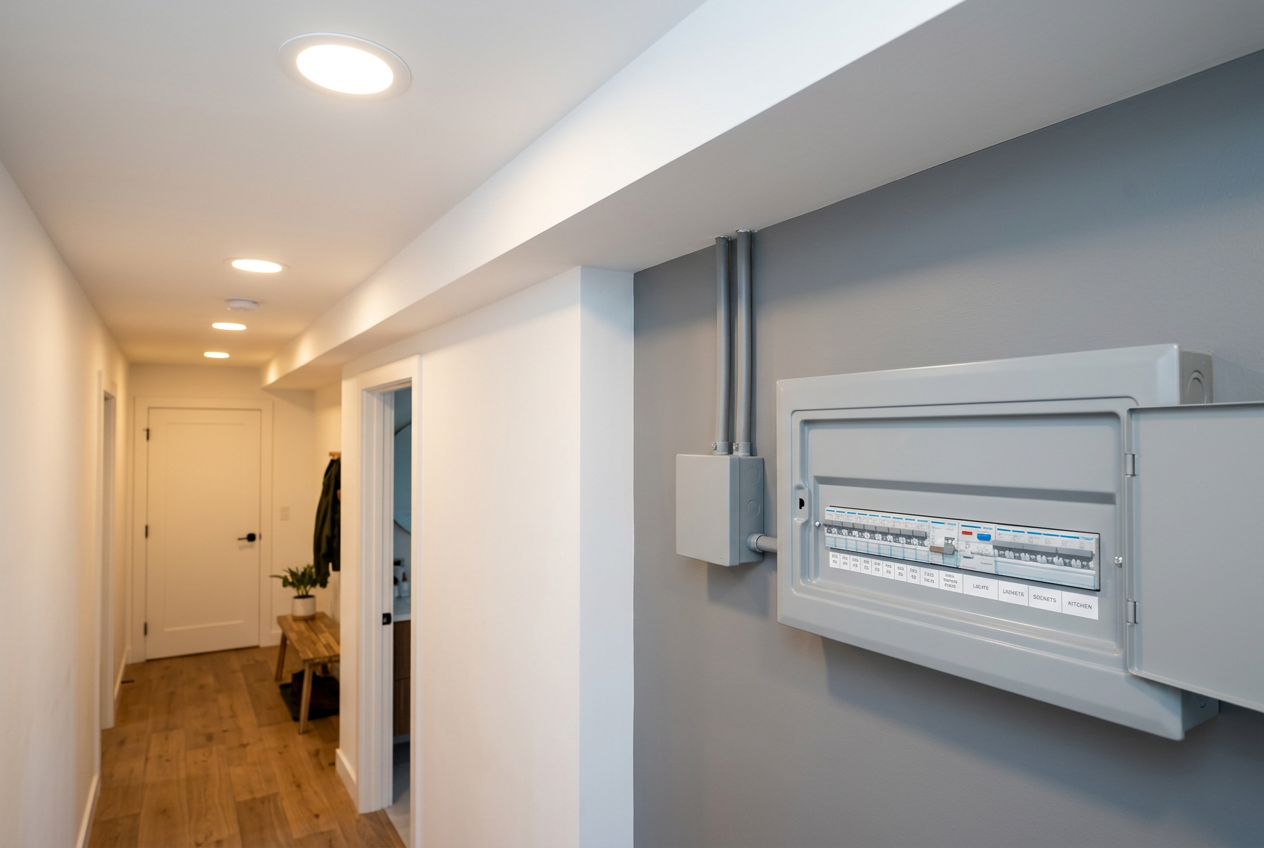
Installing a caravan power hookup point (also called a caravan outlet or camp power point) at your property is a popular project for Kiwi homeowners — but before you pick up a screwdriver, you need to understand where the legal line sits. The short answer is: most of this work is restricted electrical work in New Zealand and must be carried out by a licensed electrician. Here's what you need to know.
What Is a Caravan Power Hookup Point?
A caravan hookup point is typically a weatherproof 230V socket outlet (often a blue 16A industrial-style socket or a standard 3-pin outlet in a weatherproof enclosure) mounted on a post, wall, or pedestal in your driveway or yard. It allows you to connect a caravan, motorhome, or campervan to mains power for lighting, heating, and appliances while parked at home.
What Does NZ Law Say About Electrical Work?
Under the Electricity Act 1992 and the Electricity (Safety) Regulations 2010, electrical installation work is restricted work in New Zealand. This means it must be carried out — and certified — by a registered electrician who holds a current practising licence issued by the Electrical Workers Registration Board (EWRB).
Restricted electrical work includes:
- Installing, altering, or connecting any wiring to the mains supply
- Installing a new circuit from your switchboard
- Installing socket outlets connected to fixed wiring
- Any work inside your switchboard or consumer unit
Doing this work yourself — or having an unlicensed person do it — is illegal, can void your home insurance, and creates serious fire and electrocution risks.
What Can a Homeowner Do Themselves?
There is a narrow category of owner-occupier electrical work that a homeowner can legally do on their own home (not a rental), but it is quite limited — for example, replacing a like-for-like light fitting in some circumstances. Installing a new outdoor circuit and socket outlet does not fall within these exemptions. If in doubt, check with the EWRB or a licensed electrician before touching anything.
What you can do without a licence:
- Plan where you want the hookup point located
- Dig the trench for underground cable (though the cable itself must be installed by a licensed electrician)
- Purchase materials and fittings (your electrician will confirm the correct spec)
- Mount a post or structure to attach the outlet box to (non-electrical work only)
What the Installation Typically Involves
A licensed electrician will generally:
- Assess your switchboard to confirm it has capacity for a new circuit and that your earthing and RCD (residual current device) protection is up to standard.
- Install a new dedicated circuit — typically a 16A or 20A circuit protected by an RCD, as required by NZS 3000:2018 (the Wiring Rules).
- Run cable from the switchboard to the outlet location — often underground in conduit for outdoor installations.
- Install a weatherproof outlet rated for outdoor use (IP56 or better is common practice).
- Test and certify the work with a Certificate of Compliance (CoC), which you should always request and keep on file.
Cable Burial Depth
Underground cables must be buried at the correct depth per NZS 3000 — typically at least 500mm for armoured cable or cable in conduit in areas subject to mechanical damage. Your electrician will know the requirements.
Do You Need a Building Consent?
For the electrical work itself, a Certificate of Compliance from your electrician covers the electrical installation. However, if you're constructing a new structure (like a dedicated post or enclosure), check with your local council whether a building consent is required. Minor structures may be exempt under Schedule 1 of the Building Act 2004, but this varies — always confirm with your council before starting. MBIE Building Performance has useful guidance on consent exemptions.
Choosing the Right Socket Type
| Socket Type | Common Use | Notes |
|---|---|---|
| Standard 3-pin 10A (AS/NZS 3112) | Light caravan loads | Lower capacity, widely available |
| Industrial 16A round-pin (IEC 60309) | Most caravans/motorhomes | More robust, weatherproof, preferred for dedicated hookups |
| 32A industrial | Large motorhomes or multiple loads | Check your switchboard capacity first |
Discuss the best option with your electrician based on your caravan's power requirements.
Safety Note
⚠️ Never attempt to connect anything to your switchboard or run new wiring yourself. Mains voltage (230V) can kill instantly. Faulty DIY wiring is a significant cause of house fires in New Zealand. Always use a licensed electrician and obtain a Certificate of Compliance. WorkSafe NZ has information on electrical safety in and around the home.
When to Call a Professional
For this project, you should always call a licensed electrician — there is no legal DIY pathway for installing a new outdoor circuit and outlet in NZ. A qualified sparky will ensure the work meets NZS 3000, is RCD-protected, weatherproofed correctly, and properly certified. You can find licensed local electricians on tradedirectory.co.nz to get quotes and compare tradespeople in your area.
As a broad guide only, expect to pay for at least 2–4 hours of labour plus materials, though costs vary significantly depending on the distance from your switchboard, ground conditions, and the type of outlet installed. Always get at least two or three quotes.

 Site Safe
 Licensed Electrical Inspector







