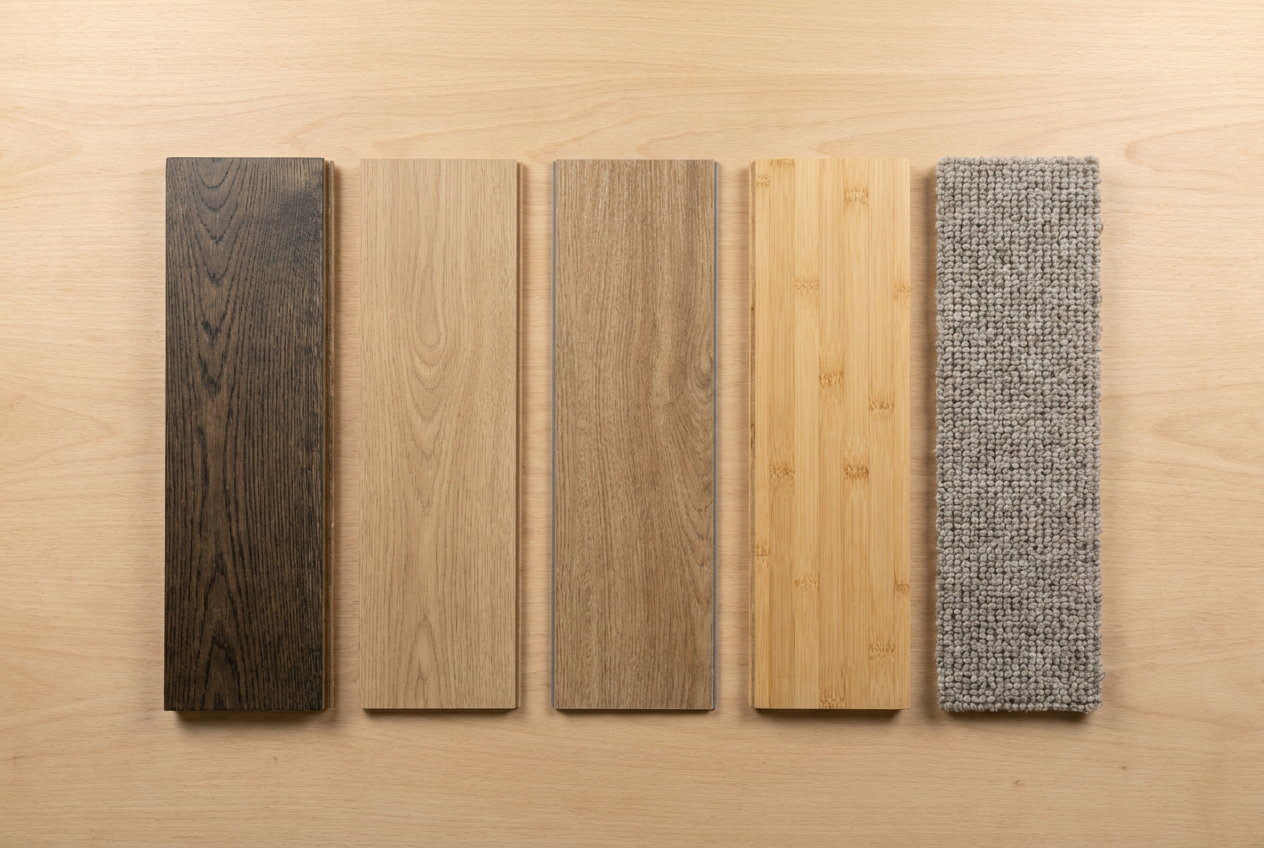
On most pine floors, applying stain and a topcoat finish in the same day is not recommended — and doing so is one of the most common mistakes DIYers make. Pine is a notoriously tricky timber to stain, and rushing the process almost always leads to adhesion failures, blotchy colour, or a finish that peels within months. That said, some modern water-based systems are designed to speed up the process, so the honest answer is: it depends on the products you choose.
Why Pine Is Particularly Tricky to Stain
New Zealand homes — especially villas, bungalows, and state houses — are full of native and imported pine flooring, including radiata pine. Pine has an uneven grain structure with soft earlywood and dense latewood bands, which absorbs stain at very different rates. This causes blotching and streaking if the timber isn't properly prepared or if you rush between coats.
Pine also contains natural resins that can bleed through finishes, especially if the floor has been exposed to heat or sunlight. Proper sanding, cleaning, and sometimes a wood conditioner or pre-stain treatment are essential first steps before any colour goes down.
The Core Problem: Drying vs Curing
There's an important difference between a product feeling dry to touch and being fully cured (chemically hardened). Most oil-based stains need a minimum of 24–48 hours before a topcoat can be applied. Applying finish too early traps solvents underneath, which can:
- Cause the finish to bubble, wrinkle, or peel
- Result in poor adhesion between layers
- Leave a permanently soft or tacky surface
- Create an uneven sheen
Always read the manufacturer's technical data sheet — not just the tin label — for recoat windows and minimum dry times. These times also vary with New Zealand's climate: high humidity (common in Auckland, Northland, and coastal areas) slows drying significantly, while cold South Island winters can extend cure times even further.
When Same-Day Application Might Be Possible
Some water-based stain and finish systems are specifically formulated for faster recoat times — sometimes as little as 2–4 hours between coats under ideal conditions (warm, dry, well-ventilated). If you're set on completing the job quickly, look for:
- Water-based stains with a short recoat window (check the TDS)
- Combination stain-and-finish products (sometimes called tinted finishes or colour oils), which apply colour and a degree of protection in one coat
- Products from reputable suppliers such as Resene or Wattyl, who can advise on compatible systems
Even with fast-dry products, do not skip the drying window. If the tin says 2 hours minimum, that's under ideal conditions — in a damp or cold New Zealand environment, add extra time.
Recommended Process for Staining Pine Floors
Follow these steps for a professional result:
| Step | What to Do | Typical Wait Time |
|---|---|---|
| 1. Sand | Sand to 80–120 grit, finish with 120 grit | — |
| 2. Clean | Vacuum thoroughly, tack cloth wipe | Allow dust to settle (30+ min) |
| 3. Condition (optional but recommended) | Apply a wood conditioner to even absorption | Per product TDS |
| 4. Apply stain | Work with the grain, wipe off excess | 24–48 hrs (oil-based); 2–4 hrs (water-based) |
| 5. First topcoat | Apply thin, even coat of compatible finish | Per product TDS |
| 6. Light sand | 220 grit screen between coats | — |
| 7. Final topcoat(s) | Apply 2–3 coats total for durability | 24 hrs before foot traffic |
Ventilation is critical at every stage — open windows and use fans to maintain airflow, which speeds drying and reduces solvent build-up.
Oil-Based vs Water-Based Products
- Oil-based stains and finishes give a warm, amber tone that suits older NZ pine floors well, but have longer dry times and stronger solvent fumes. They require good ventilation and are slower to recoat.
- Water-based products dry faster, have lower VOC emissions, and are easier to clean up. They tend to give a clearer, cooler finish — which some people prefer on lighter pine.
For health and safety around solvent-based products, refer to WorkSafe NZ guidance on working with hazardous substances.
Tips Specific to NZ Conditions
- Check the weather forecast: aim for low-humidity days (below 70% relative humidity if possible)
- Avoid winter applications in unheated rooms — cold temperatures dramatically slow curing
- Radiata pine is particularly prone to blotching; a pre-stain conditioner is strongly recommended
- If your floor has old finish or contaminants, these must be fully removed before staining — a professional floor sander can assess this
When to Call a Professional
Floor sanding and finishing is physically demanding, technically precise work. Consider hiring a qualified floor sanding professional if:
- Your floor has significant damage, deep scratches, or old adhesive residue
- You're unsure which products are compatible with your existing floor
- You want a guaranteed, even colour result — blotching on pine is very hard to fix once the finish is down
- The floor is in a rental property subject to Healthy Homes Standards
A professional will have commercial-grade equipment, product knowledge, and experience with NZ pine species. You can find qualified floor sanding tradespeople in your area on tradedirectory.co.nz.