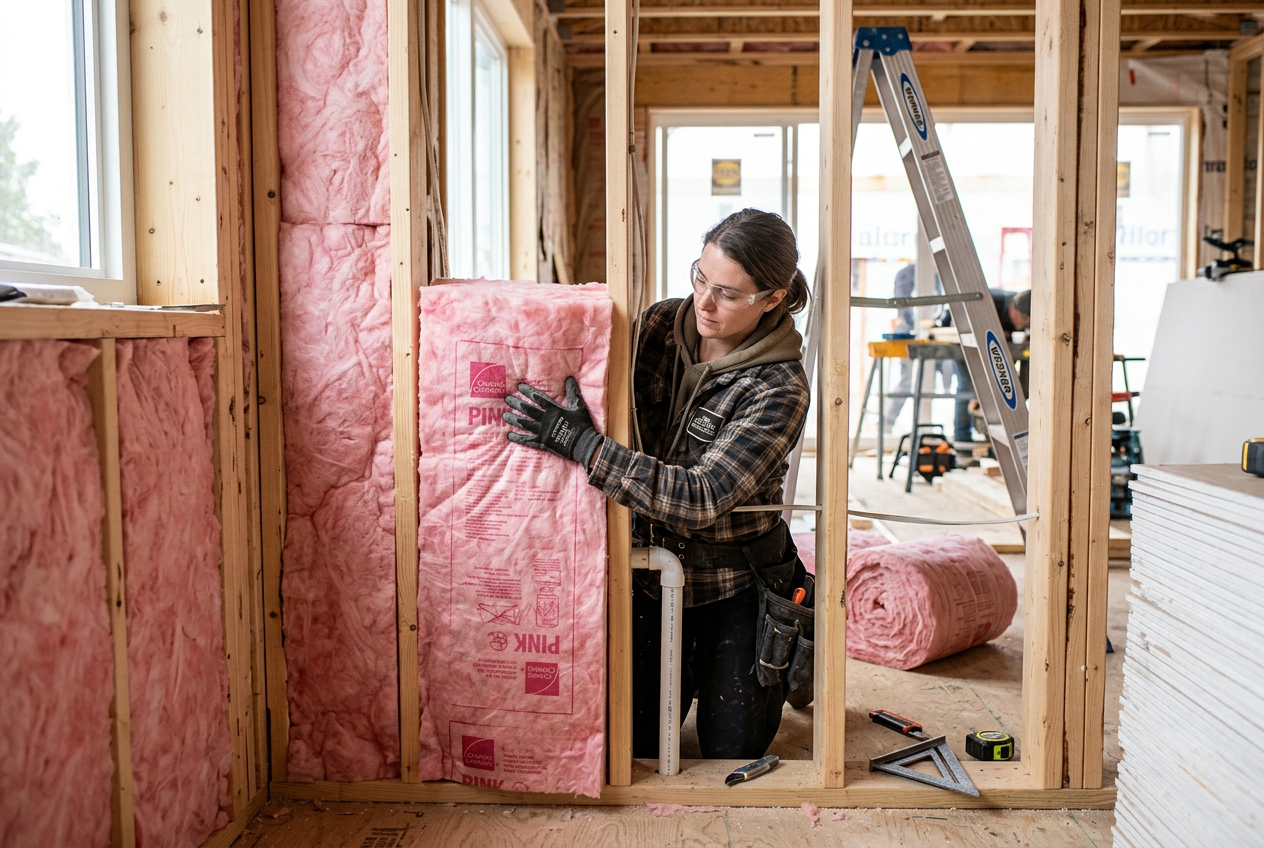
Yes, a qualified insulation installer can absolutely assess your whole home and recommend a tailored plan. In fact, getting a professional whole-home assessment is one of the smartest moves you can make before spending a cent on insulation products — it ensures you prioritise the right areas, choose the right materials, and meet New Zealand's building and healthy homes requirements.
What Does a Whole-Home Insulation Assessment Involve?
A thorough assessment by an experienced insulation installer typically covers every part of your home's thermal envelope — the surfaces that separate your heated living space from the outside world. Expect the installer to look at:
- Underfloor space — checking existing insulation (if any), subfloor ventilation, moisture levels, and access for installation
- Ceiling and roof space — measuring existing insulation depth and R-value, identifying gaps, and checking for adequate ventilation
- Walls — determining wall construction type (timber framing, brick veneer, concrete block) and whether retrofitting is practical
- Windows and doors — noting single vs double glazing, draughts, and condensation issues
- Ventilation and moisture — identifying damp areas that could compromise insulation performance or create health risks
A good installer will also ask about your heating and cooling habits, your energy bills, and any comfort problems you've noticed — cold floors, condensation on windows, rooms that never warm up. All of this feeds into a practical, prioritised plan.
Why a Plan Matters More Than Just Buying Insulation
Insulation works as a system. Putting thick ceiling insulation in a home with no underfloor insulation and draughty gaps still leaves you cold and paying high power bills. A whole-home plan helps you:
- Prioritise spending — ceiling insulation typically gives the biggest return, but every home is different
- Meet the NZ Building Code — new work must comply with MBIE Building Performance requirements, including the H1 Energy Efficiency clause, which sets minimum R-values depending on your climate zone
- Satisfy Healthy Homes Standards — rental properties must meet specific insulation requirements under the Tenancy Services Healthy Homes Standards
- Avoid wasted money — an installer can tell you if a wall is already insulated or if a product isn't suited to your subfloor conditions
NZ Climate Zones and R-Value Requirements
New Zealand is divided into climate zones (broadly: Zone 1 warm/northern, through to Zone 3 cold/southern), and the minimum R-values required under the Building Code differ between them. For example, ceiling insulation requirements are significantly higher in Otago and Southland than in Northland. Your installer should know which zone you're in and specify products accordingly. If you're unsure, BRANZ publishes guidance on climate zones and insulation performance.
| Area | Typical focus | Notes |
|---|---|---|
| Ceiling/roof | Highest priority | Biggest heat loss area in most NZ homes |
| Underfloor | High priority | Critical in cold, damp climates |
| Walls | Moderate | Retrofit can be complex and costly |
| Windows | Lower (DIY options exist) | Draught-stopping is a quick win |
Does the Assessment Cost Anything?
Practice varies. Some insulation companies offer free assessments, particularly if they're hoping to quote on the work. Others charge a modest fee, especially for detailed reports. As a guide, expect anything from no charge up to a few hundred dollars for a written report — though this varies widely. Always ask upfront what the assessment includes and whether the fee is credited against any work you proceed with.
What About Government Subsidies?
If your household income is low or you have someone with a health condition, you may qualify for subsidised insulation through the Warmer Kiwi Homes programme. A registered installer can advise whether you're eligible and help you apply. Check Energywise for current programme details, as funding availability and criteria change over time.
Building Consents and Schedule 1 Exemptions
Most standard insulation installation work — adding bulk insulation to an existing ceiling or underfloor — falls under Schedule 1 of the Building Act as exempt work, meaning no building consent is required. However, if you're making significant changes to the building fabric (such as adding a new ceiling lining or altering structural elements to install wall insulation), a consent may be needed. Always confirm with your local council if you're unsure. Your installer should be familiar with what requires consent and what doesn't.
When to Call a Professional
While some homeowners do install underfloor insulation themselves (it is not restricted work), a professional assessment and installation is strongly recommended in most cases. Call a qualified insulation installer when:
- You're not sure what insulation you already have or whether it's performing
- Your home has moisture, mould, or condensation problems
- You're a landlord needing to meet Healthy Homes Standards
- You're renovating and want to upgrade insulation as part of the project
- You want a written assessment for a property purchase or sale
Note that insulation work near electrical wiring must be done carefully — installers must not cover or compress wiring in ways that create a fire risk. If in doubt, an electrician registered with the Electrical Workers Registration Board should be consulted.
You can find qualified, local insulation installers on tradedirectory.co.nz — look for businesses with experience in your region and your home's construction type.