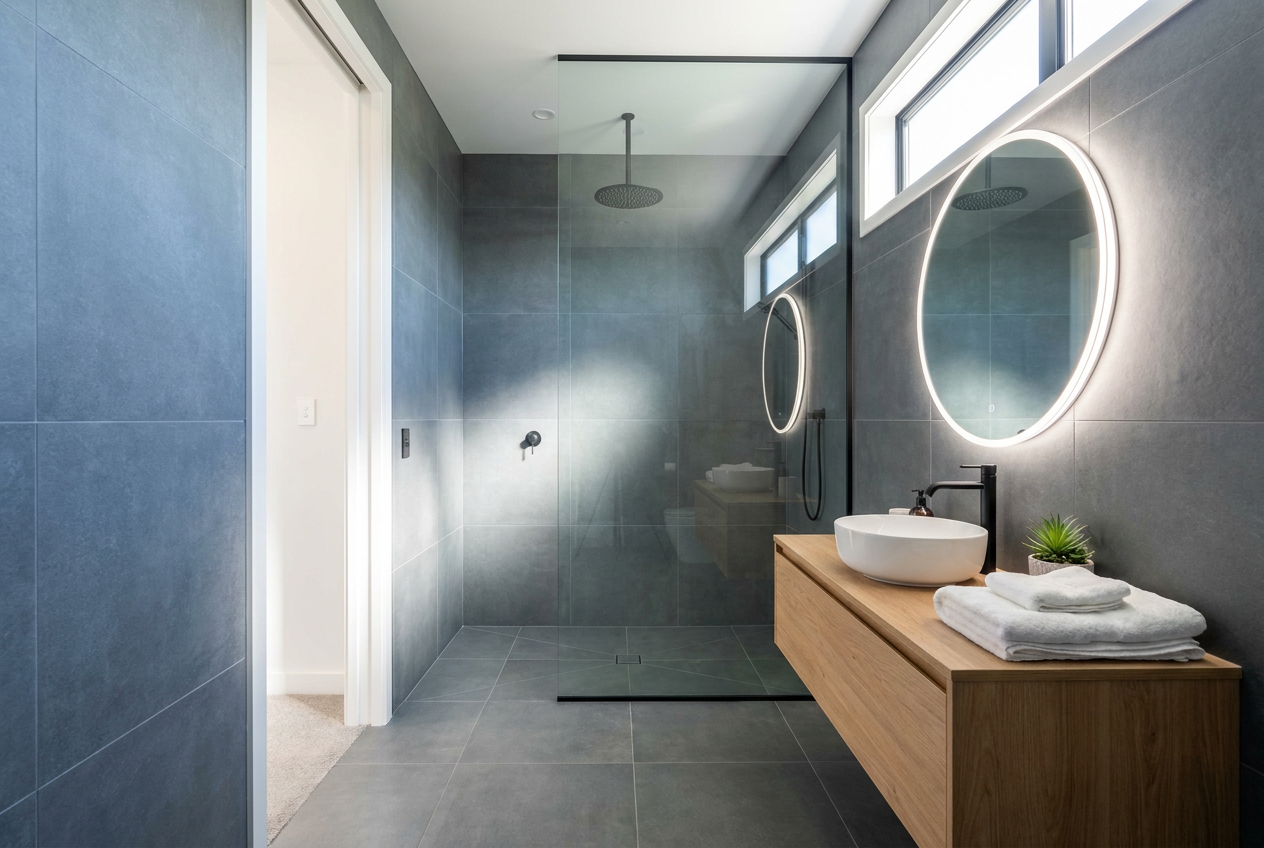
Yes — a qualified waterproofer can absolutely fix damage caused by a previous failed waterproofing job, but it's rarely as simple as slapping on a new coat of membrane. Remediation work is often more complex, more time-consuming, and more expensive than the original installation, because the root cause of the failure must be identified and fully resolved before any new waterproofing system is applied.
Why Waterproofing Jobs Fail in the First Place
Understanding why the original job failed is the critical first step. Common causes of waterproofing failure in New Zealand include:
- Poor surface preparation — membrane applied over damp, dusty, or contaminated substrates
- Incorrect product selection — using a membrane not suited to the substrate, movement, or exposure conditions
- Inadequate thickness — membrane applied below the manufacturer's minimum dry film thickness
- Missing or poorly formed flashings — especially around penetrations, upstands, and junctions
- Lack of reinforcing fabric — at corners, cracks, and movement joints
- Non-compliant installation — work not carried out to NZ Building Code requirements, particularly clauses E1 (surface water), E2 (external moisture), and E3 (internal moisture)
- Substandard workmanship — by an unqualified or inexperienced operator
A reputable waterproofer will carry out a thorough inspection before quoting remediation work. This may involve moisture testing, probing, or even removing tiles or cladding to assess the extent of damage beneath.
What Does Remediation Actually Involve?
Remediation is a staged process. Cutting corners at any stage risks repeating the original failure.
1. Strip and Assess
The failed membrane, and often the tiles or topping above it, must be removed. Any water-damaged substrate — whether it's a GIB wet-area board, fibre cement sheet, or concrete — needs to be assessed and replaced if compromised. Rotted framing or structural damage must be repaired by a Licensed Building Practitioner (LBP) before waterproofing can proceed.
2. Dry the Substrate
The substrate must be fully dry before a new membrane is applied. In New Zealand's humid climate — particularly in Auckland, Northland, and the West Coast — this can take longer than expected. Moisture meters are used to confirm acceptable levels.
3. Prime and Prepare
Proper priming is essential for adhesion. Products from manufacturers such as Ardex, Mapei, and Sika all have specific primer systems matched to their membranes — mixing brands or skipping this step is a common cause of re-failure.
4. Apply the New Membrane System
The waterproofer will apply a compliant membrane system to the required thickness, with reinforcing fabric at all corners, junctions, and penetrations. For wet areas like showers and bathrooms, this must meet the requirements of the relevant NZ Standard for wet area construction (confirm the applicable standard with your waterproofer or council) and the Building Code clause E3.
5. Test Before Closing Up
A flood test or electronic leak detection should be carried out before tiles or linings are reinstated. This is best practice and gives you confidence the new system is performing correctly.
Will You Need a Building Consent?
This depends on the scope of work. Minor like-for-like repairs to waterproofing membranes may fall under Schedule 1 exemptions, but if structural elements are being repaired or the work involves significant alterations, a building consent may be required. Always check with your local council before work begins — MBIE Building Performance has useful guidance on what requires consent.
Who Is Responsible for the Failed Job?
If the original waterproofing was done by a tradesperson and has failed prematurely, you may have grounds for a complaint or claim. Options include:
- Contacting the original contractor directly and requesting remediation under the Consumer Guarantees Act
- Lodging a complaint with Consumer NZ or the Disputes Tribunal
- If the work was done under a building consent, contacting your local council's building department
- Checking whether the original contractor held an LBP licence via Licensed Building Practitioners
Document everything — photos, invoices, and any correspondence — before engaging a new waterproofer.
What Will Remediation Cost?
As a rough guide, remediation work typically costs more than a new installation of the same area, because of the additional labour involved in stripping, assessing, and repairing damage. Costs vary significantly depending on the size of the area, the extent of substrate damage, and the products specified. Get at least two or three written quotes from experienced waterproofers.
When to Call a Professional
Waterproofing remediation is not a DIY job. Applying a new membrane over a failed system without addressing the underlying cause will simply repeat the failure — often with worse consequences. If you suspect a waterproofing failure (signs include damp patches, mould, peeling paint, or water ingress), call a qualified waterproofer promptly. The longer water is allowed to penetrate, the more extensive — and expensive — the damage becomes.
For work involving plumbing penetrations, any alterations to pipes or fittings must be carried out by a licensed plumber registered with the Plumbers Gasfitters & Drainlayers Board. Similarly, any electrical work near wet areas must be done by a registered electrician — check the Electrical Workers Registration Board.
You can find qualified, experienced waterproofers in your area on tradedirectory.co.nz.
Sources & Further Reading
- MBIE Building Performance – Building Code compliance
- BRANZ – Weathertightness and moisture research
- Licensed Building Practitioners – Find or verify an LBP
- Ardex NZ – Waterproofing systems and technical data
- Sika NZ – Waterproofing membranes and primers
- Consumer NZ – Your rights when work goes wrong

 Site Safe


 SiteWise


 Licensed Building Practitioner (LBP)




