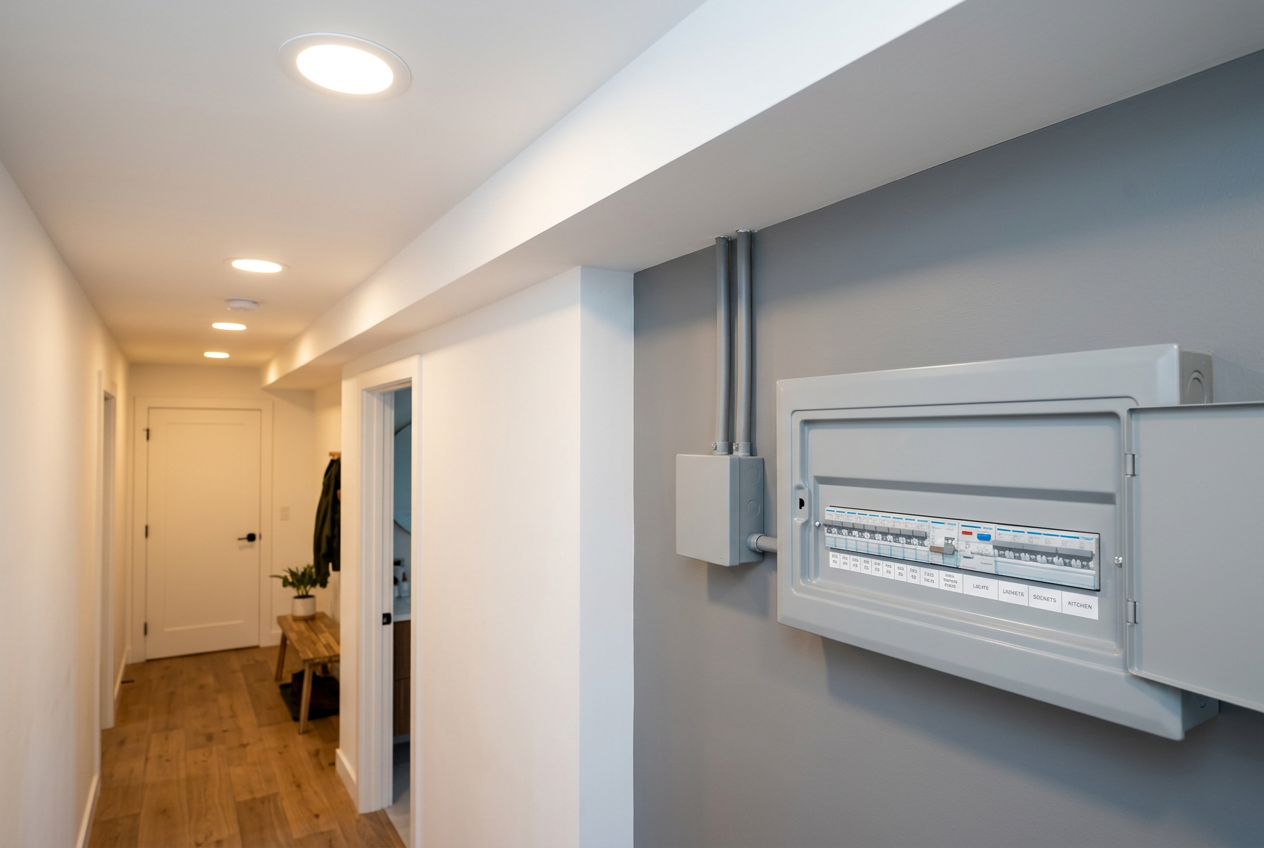
In New Zealand, the short answer is: very little. Almost all electrical work is legally restricted to licensed electrical workers under the Electricity Act 1992 and its regulations. Hiring an unlicensed person — including a general handyman — to carry out restricted electrical work is illegal, potentially dangerous, and could void your home insurance.
What Is "Restricted Electrical Work" in New Zealand?
Restricted electrical work (REW) covers any work on your home's fixed electrical installation — essentially anything connected to your wiring, switchboard, power points, light fittings, or any other part of the permanent electrical system. Under the Electrical Workers Registration Board (EWRB), only registered and licensed electricians are legally allowed to carry out, supervise, or certify this work.
Examples of restricted electrical work include:
- Installing or replacing power points, light switches, or light fittings (where wiring is involved)
- Adding new circuits or modifying your switchboard
- Installing electric hot water cylinders, heat pumps, or fixed appliances
- Running new cable through walls or ceilings
- Any work on your main switchboard or consumer unit
Once the work is complete, a licensed electrician must issue a Certificate of Compliance (CoC), which is your legal proof the work is safe and up to standard.
What Can a Handyman (or Homeowner) Legally Do?
There are a small number of low-risk tasks that do not count as restricted electrical work and can be done by a competent handyman or a capable homeowner:
- Replacing a light bulb (obviously)
- Replacing a plug on a flexible cord (e.g., a lamp or appliance lead)
- Replacing a fuse in a fuse box with the correct rated fuse
- Resetting a tripped circuit breaker
- Installing a ceiling rose or light fitting — but only if it is a like-for-like replacement of an existing fitting using a plug-in connector, with no modification to the fixed wiring
- Connecting a plug-in appliance to an existing socket outlet
The key distinction is: if the task involves touching, modifying, or connecting to the fixed wiring of your home, it is restricted. If you are simply swapping a plug-top or changing a bulb, you are generally fine.
Safety note: Even for tasks that are technically permitted, always isolate the circuit at the switchboard and use a non-contact voltage tester before touching anything. Electricity can kill.
Why Does This Matter? Risks of Using an Unlicensed Person
Using a handyman for restricted electrical work carries serious risks:
| Risk | Detail |
|---|---|
| Legal liability | Both the homeowner and the handyman can face fines or prosecution |
| Insurance issues | Your home and contents insurer may decline a claim if unlicensed work caused a fire or damage |
| Safety hazards | Faulty wiring is a leading cause of house fires in New Zealand |
| Resale problems | Uncertified work can cause major issues when you sell your home |
| Building consent | Some electrical work requires a building consent — check with your local council |
WorkSafe NZ takes electrical safety seriously, and incidents involving unlicensed work can result in significant penalties.
What About Handymen Who Claim to Have Electrical Experience?
Unless a handyman holds a current Electrical Worker Registration with the EWRB, they cannot legally perform restricted electrical work — regardless of their background or experience. You can verify a tradesperson's registration on the EWRB's public register. If they are registered, they are an electrician, not just a handyman.
Always ask to see proof of registration before any electrical work begins.
Does Electrical Work Need a Building Consent?
Some electrical work also requires a building consent from your local council, in addition to the electrical compliance certificate. This is most common for new installations or significant alterations. Schedule 1 of the Building Act lists certain exemptions, but these are narrow — always confirm with your council or check MBIE Building Performance before starting any project.
Healthy Homes and Rental Properties
If you are a landlord, the Healthy Homes Standards require certain electrical standards in rental properties. All electrical work to meet these requirements must be carried out and certified by a licensed electrician — a handyman cannot sign off on compliance.
When to Call a Professional
Call a licensed electrician for anything beyond the simple tasks listed above. This includes:
- Any new power point, light switch, or circuit
- Switchboard upgrades or fuse replacements (other than like-for-like fuses)
- Installing fixed appliances (ovens, heat pumps, EV chargers)
- Any work following storm damage, flooding, or a suspected electrical fault
- Pre-purchase electrical inspections
You can find qualified, local electricians on tradedirectory.co.nz — it is always worth getting two or three quotes for larger jobs.

 Site Safe
 Licensed Electrical Inspector







