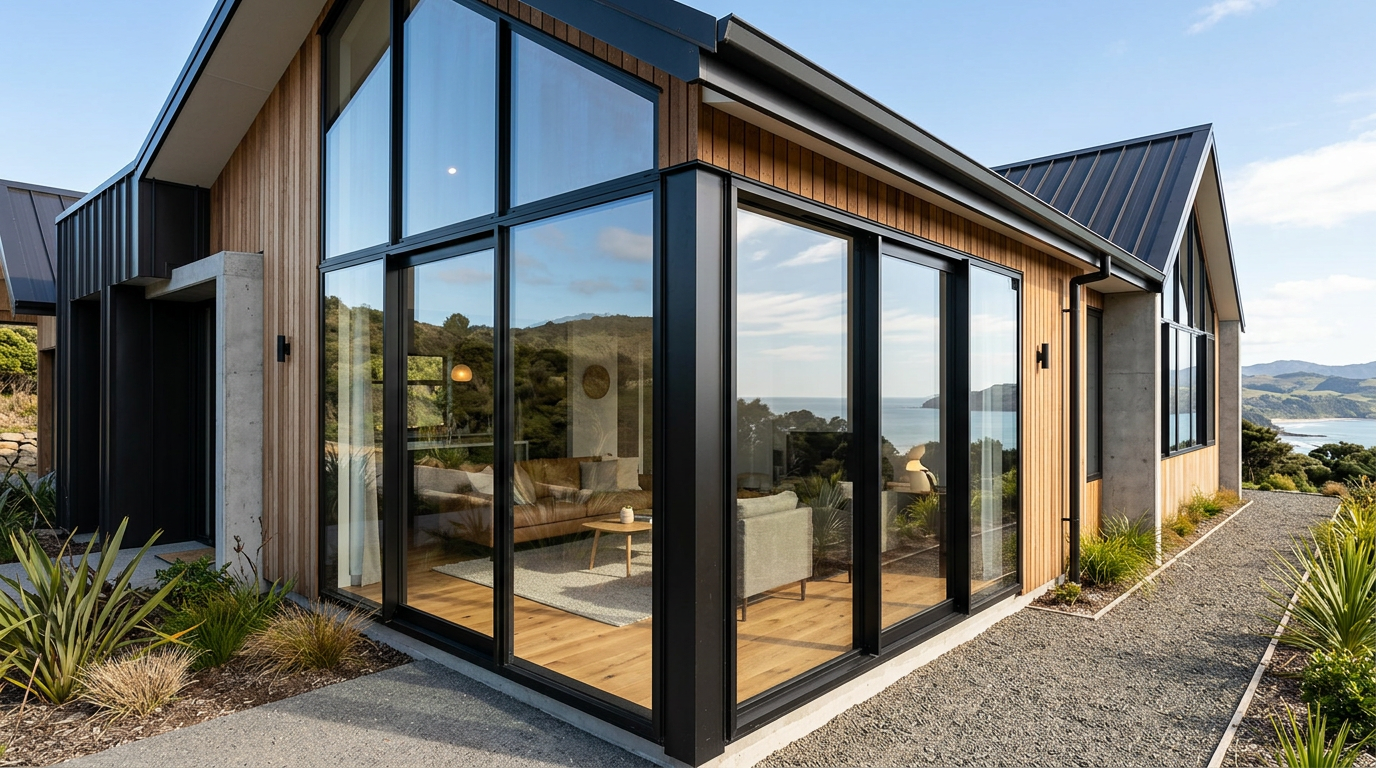
Yes, a qualified glazier can absolutely advise you on which glass meets New Zealand Building Code requirements — and for most residential glazing work, getting that advice right is not just helpful, it's essential. The type of glass required depends on where it's being installed, what it needs to do, and which parts of the Building Code apply to your situation.
Why Glass Selection Matters Under the NZ Building Code
The NZ Building Code, administered by MBIE Building Performance, sets out performance requirements that all building work must meet. For glazing, several clauses are particularly relevant:
- Clause F2 (Hazardous Building Materials) — requires that glass in certain locations (such as doors, low-level panels, and shower enclosures) must be safety glass to reduce the risk of injury if it breaks.
- Clause H1 (Energy Efficiency) — sets minimum insulation requirements, including for windows and glazing. Double glazing or thermally broken frames may be required depending on your climate zone.
- Clause E2 (External Moisture) — relates to weathertightness, which affects how glazing is installed and sealed to prevent water ingress.
A good glazier will be familiar with all of these clauses and can walk you through what applies to your project.
What Is Safety Glass and When Is It Required?
Safety glass is a broad term covering glass that, when broken, is less likely to cause serious injury. In New Zealand, the relevant standard is NZS 4223, which specifies glazing requirements for buildings. Your glazier should be working to this standard.
Common types of safety glass include:
| Glass Type | How It Breaks | Typical Use |
|---|---|---|
| Toughened (tempered) glass | Small, relatively harmless cubes | Shower screens, doors, low panels |
| Laminated glass | Holds together in a sheet | Overhead glazing, balustrades, skylights |
| Wired glass | Held by wire mesh | Older fire-rated applications (less common now) |
Safety glass is generally required in critical locations, including:
- Doors (both fully glazed and partially glazed)
- Sidelights beside doors within 300 mm of the door edge
- Low-level panels where the bottom edge is less than 800 mm from the floor
- Shower and bathroom enclosures
- Balustrades and pool fencing
If you're unsure whether your installation falls into a critical location, your glazier can assess this for you.
Double Glazing and Energy Efficiency (Clause H1)
New Zealand's Clause H1 energy efficiency requirements were updated in recent years, and the minimum performance standards for windows and glazing have increased. The requirements vary by climate zone — New Zealand is divided into six zones, with colder southern and inland areas having stricter requirements.
For many new builds and significant alterations, double glazing is now effectively the minimum standard in most zones. Your glazier can advise on:
- The minimum window energy rating or U-value required for your zone
- Whether low-emissivity (low-e) glass coatings are needed
- The difference between standard double glazing and thermally broken aluminium frames
For detailed guidance on energy efficiency in your region, Energywise is a useful resource.
Do You Need a Building Consent for Glazing Work?
This is an important question. Some glazing work is exempt from building consent under Schedule 1 of the Building Act — for example, like-for-like replacement of a broken window in the same opening. However, changing the size of an opening, adding new windows, or installing a new glazed door may require consent.
Always check with your local council before starting work, as Schedule 1 exemptions have specific conditions and your council has the final say. A reputable glazier will also flag this for you. More information is available at MBIE Building Performance.
What a Qualified Glazier Can Help You With
A skilled glazier brings practical, on-the-ground knowledge that goes beyond simply cutting and fitting glass. They can:
- Assess your specific installation and identify which Building Code clauses apply
- Recommend the correct glass type and thickness for safety, thermal performance, and acoustic needs
- Ensure correct installation so that weathertightness and structural requirements are met
- Provide documentation (such as producer statements or records of work) where required for consent purposes
- Advise on BRANZ Good Practice guides and other technical resources relevant to your project
When to Call a Professional
Glazing work in critical locations — showers, doors, balustrades, pool fencing — should always be carried out by a qualified glazier. Getting the glass type wrong in these areas is not just a Building Code issue; it's a genuine safety risk. If your project involves a building consent, your glazier may need to be a Licensed Building Practitioner (LBP) to carry out or supervise the restricted building work.
Even for seemingly straightforward replacements, it's worth getting professional advice to make sure you're not inadvertently installing non-compliant glass. You can find qualified local glaziers on tradedirectory.co.nz.



 Window & Glass Association