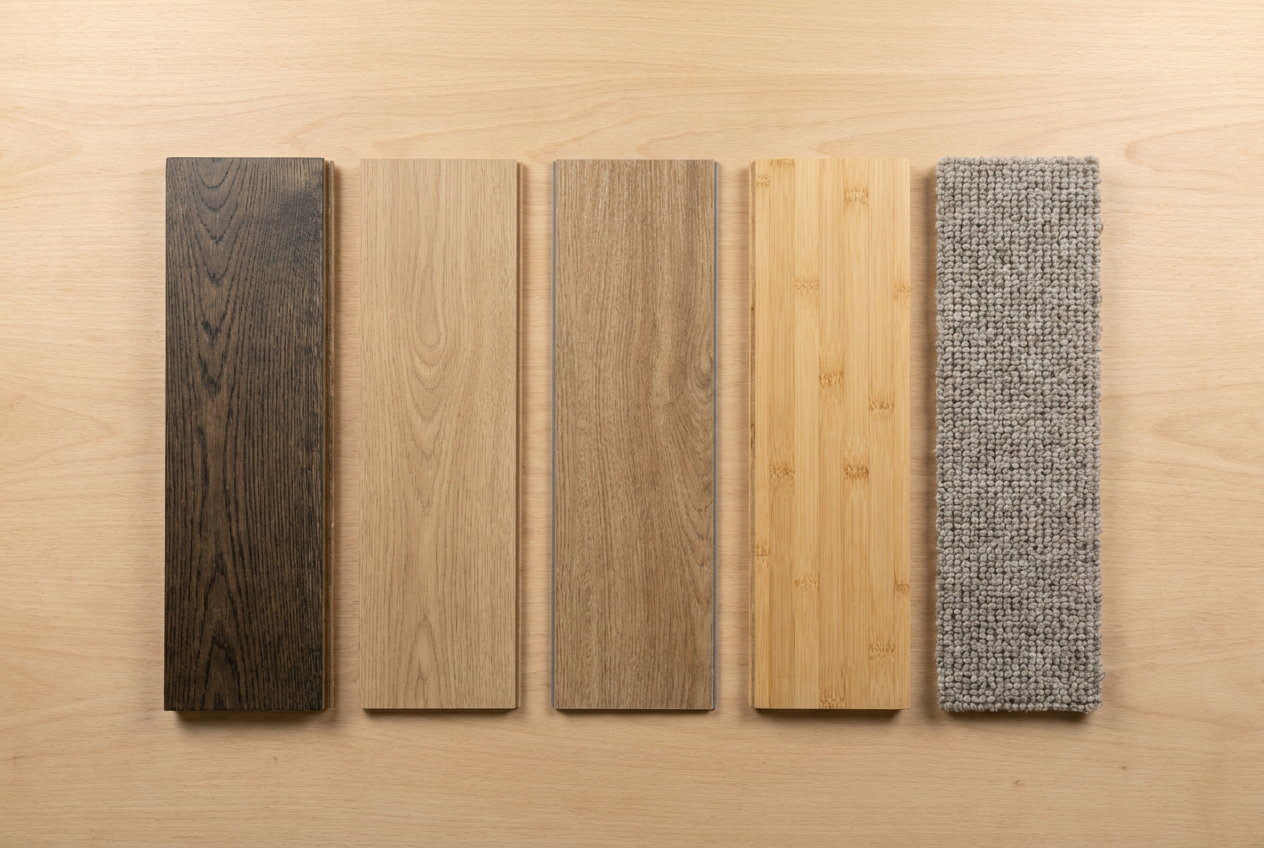
Floor sanding is a fantastic way to restore timber floors, but if you have pets at home, it pays to think carefully before the job begins. The short answer is: it's strongly recommended that pets leave the house during floor sanding, and ideally for a period afterwards too. Dust, chemical fumes, and loud machinery can all pose real risks to animals.
Why Floor Sanding Is Tough on Pets
Floor sanding generates a significant amount of fine dust — even with professional dust-extraction equipment, some airborne particles are unavoidable. Pets, especially cats, dogs, birds, and small animals, are far more sensitive to airborne irritants than humans. Their respiratory systems are smaller and more vulnerable, and they spend a lot of time close to floor level where dust settles.
Key hazards include:
- Fine dust particles that can irritate or inflame airways, eyes, and skin
- Noise and vibration from drum sanders and edge sanders, which can cause significant stress and anxiety in animals
- Coating fumes from oils, lacquers, polyurethanes, and stains applied after sanding — many of these contain volatile organic compounds (VOCs) that are harmful to breathe
- Older floors that may contain lead-based paint or finishes, which is a serious toxicity risk if dust is ingested or inhaled
The Lead Paint Risk in Older NZ Homes
If your home was built before the 1980s, there's a real possibility that old paint or finish layers on your timber floors contain lead. Sanding these surfaces releases fine lead-contaminated dust that is dangerous for humans and animals alike. WorkSafe NZ has guidance on working safely with lead paint, and a reputable floor sander should test or assess for lead before starting work on an older home. Make sure you ask your tradesperson about this upfront.
What About Birds and Small Animals?
Birds are especially sensitive to airborne toxins — their respiratory systems are highly efficient, which means they absorb airborne chemicals quickly. Even low levels of VOC fumes from floor coatings can be fatal to pet birds. Small animals like guinea pigs, rabbits, and reptiles are similarly vulnerable. These pets should be relocated well away from the property during sanding and coating, and should not return until the floors are fully cured and the space has been thoroughly ventilated.
How Long Should Pets Stay Away?
This depends on the products used. As a general guide:
| Finish Type | Typical Return Time for Pets |
|---|---|
| Water-based polyurethane | 24–48 hours after final coat |
| Oil-based polyurethane | 48–72 hours or longer |
| Hardwax oil | 24–48 hours (check product data sheet) |
| Solvent-based stains/lacquers | 48–72 hours minimum |
Always follow the manufacturer's recommendations and ask your floor sander which products they're using. Full cure time (when the coating reaches full hardness) can take several days to weeks, but most products are safe for pets once dry and well-ventilated.
Tips for Managing Pets During the Job
- Arrange alternative accommodation for pets before work begins — a friend's place, a boarding kennel, or a cattery
- Seal off the work area as much as possible if pets must remain on the property (e.g., in an outdoor run or a separate building)
- Ventilate thoroughly after coating — open windows and doors once it's safe to do so
- Vacuum and damp-mop surrounding areas after sanding to remove settled dust before pets return
- Ask your floor sander about low-VOC or water-based coating options, which tend to have lower fume levels. Resene and Wattyl both offer floor coating products with varying VOC levels
- Check with your vet if you're unsure how sensitive your particular animal is
Can the Floor Sander Work in Stages?
Some homeowners ask whether the job can be done room by room so pets can rotate around the house. This is sometimes possible, but it depends on the floor layout and the tradesperson's workflow. Discuss this with your floor sander before booking — a good professional will work with you to find a practical solution. Keep in mind that dust and fumes can travel through gaps under doors and through ventilation, so full separation is difficult in most NZ homes.
When to Call a Professional
Floor sanding is skilled work that requires commercial-grade equipment and knowledge of timber species, finishes, and safe working practices. A qualified floor sander will:
- Use dust-extraction equipment to minimise airborne particles
- Advise you on appropriate coatings and drying times
- Identify potential hazards like lead paint before starting
- Follow safe work practices in line with WorkSafe NZ guidelines
If your floors are coated with an unknown finish, or your home is older, it's especially important to use an experienced professional. You can find qualified local floor sanders on tradedirectory.co.nz.
For general building and renovation guidance relevant to NZ homes, BRANZ and MBIE Building Performance are excellent resources.