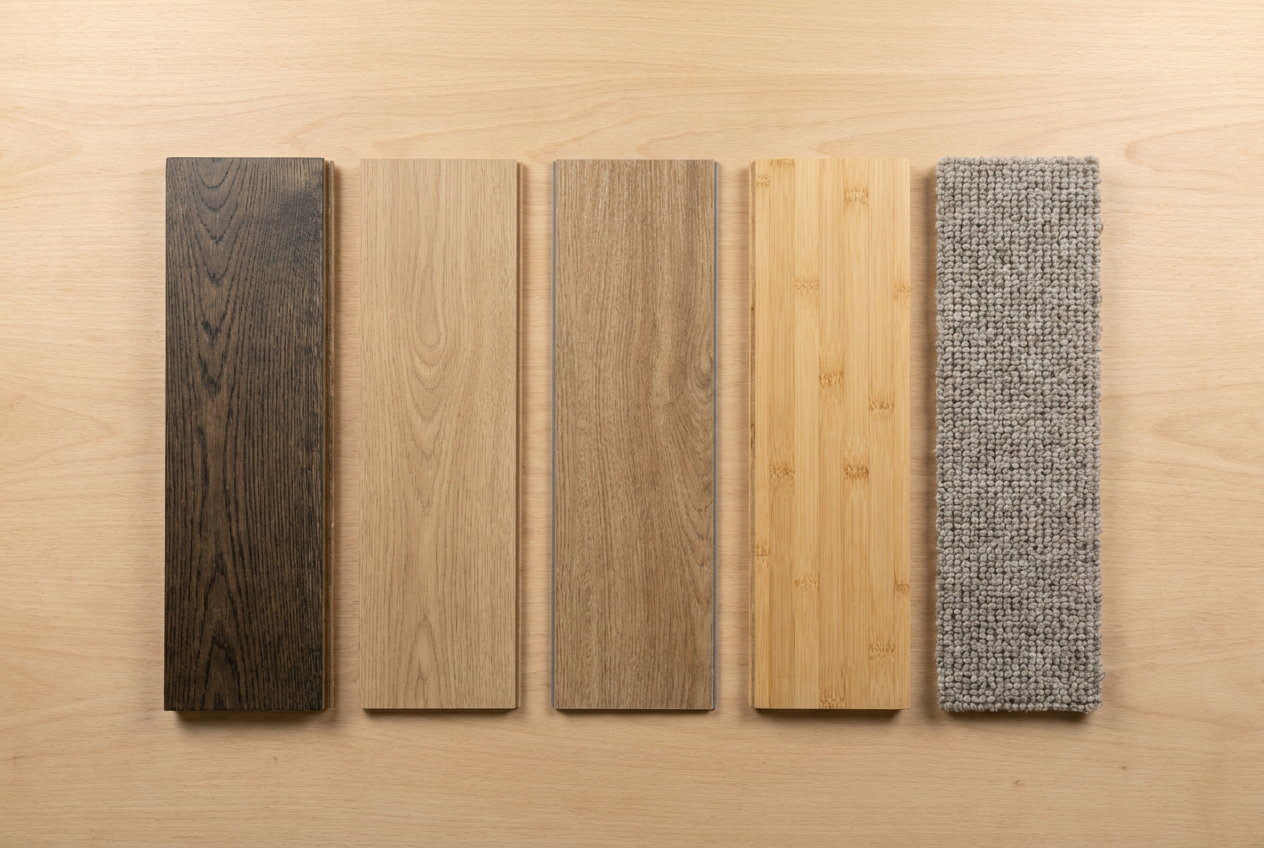
Yes, a professional floor sander can absolutely advise you on whether any boards need replacing before sanding begins. In fact, a thorough inspection of your existing timber floor is a standard part of the job — skipping this step can lead to poor results, wasted money, and a floor that looks worse after sanding than before. Here's what to expect from that assessment process and what it means for your project.
What a Floor Sander Looks for During an Inspection
Before any sanding machine touches your floor, an experienced floor sander will walk the entire area and assess the condition of each board. They're looking for a range of issues that could affect the final result:
- Rot or decay — soft, spongy, or discoloured boards that have been exposed to moisture
- Cupping or crowning — boards that have warped across their width due to moisture imbalance
- Springy or loose boards — boards that bounce underfoot, indicating failed fixings or subfloor issues
- Deep gouges, holes, or splits — damage that goes beyond what sanding can fix
- Protruding nails or staples — these must be punched down or removed before sanding to avoid tearing the sandpaper and damaging the machine
- Insufficient timber thickness — boards that have been sanded too many times already and don't have enough material left for another pass
A good floor sander will point out each issue clearly and explain what needs to happen before work can proceed.
Why Board Condition Matters So Much
Timber floor sanding removes a thin layer of wood — typically around 1–2 mm per full sand, depending on the grit sequence used. If a board is rotten, severely warped, or structurally compromised, sanding over it won't fix the problem — it will simply reveal it more clearly, or worse, create an uneven surface that's difficult to finish properly.
In New Zealand's varied climate, moisture is a common culprit. Homes in wetter regions like the West Coast, Northland, or low-lying parts of Auckland can see significant subfloor moisture affecting timber boards from below. BRANZ research highlights that subfloor ventilation is a key factor in the long-term performance of timber floors — something worth checking if your boards show signs of cupping or rot.
Can a Floor Sander Do the Repairs Themselves?
Some floor sanders are also experienced in basic timber repairs and can replace individual boards or fill gaps and holes as part of their service. Others focus purely on sanding and finishing, and will recommend you engage a carpenter or builder for any structural repairs first.
It's worth asking upfront what's included in their quote. Common repair tasks that may be offered include:
- Board replacement — swapping out damaged or rotten boards with matching timber
- Gap filling — using flexible fillers or slivers of timber to close gaps between boards
- Nail punching — driving protruding nails below the surface before sanding
- Squeaky board fixing — re-screwing or re-nailing loose boards to the subfloor
If structural repairs are needed — such as replacing sections of subfloor framing — that work would typically fall under the scope of a builder or carpenter, and depending on the extent, may require a building consent from your local council. Always check with your council if you're unsure whether consent is needed. You can find general guidance at MBIE Building Performance.
What to Ask During a Quote
When a floor sander comes to quote your job, make the most of their expertise by asking:
- Are there any boards that need replacing before you can sand?
- How many times has this floor been sanded before (if known)?
- Is there enough timber thickness left for a full sand?
- Do you handle repairs, or should I get a carpenter in first?
- Are there any moisture or subfloor issues I should address?
A reputable tradesperson will give you honest answers and won't pressure you into unnecessary work. Getting two or three quotes is always a sensible approach.
Matching Replacement Boards
One practical challenge with replacing boards in an older NZ home is finding matching timber. Many older homes were built with native timbers like rimu, matai, or kauri — species that are no longer commercially harvested and can be difficult to source. A floor sander with experience in heritage homes will often know where to find recycled or reclaimed timber that closely matches your existing floor.
For newer homes with pine or engineered flooring, matching boards is generally more straightforward. Suppliers like PlaceMakers or Mitre 10 stock a range of timber flooring options that your tradesperson can help you select from.
When to Call a Professional
If your floor has visible rot, significant bounce underfoot, or boards that are clearly damaged, don't attempt to sand over the problem yourself. Hire a professional floor sander to assess the floor first — they can identify issues that aren't obvious to the untrained eye and advise on the right sequence of repairs before sanding begins.
For any work that involves structural elements of your home, engage a Licensed Building Practitioner (LBP) to carry out or supervise the work. This protects you legally and ensures the work meets the NZ Building Code.
You can find qualified floor sanders and related tradespeople in your area right here on tradedirectory.co.nz.