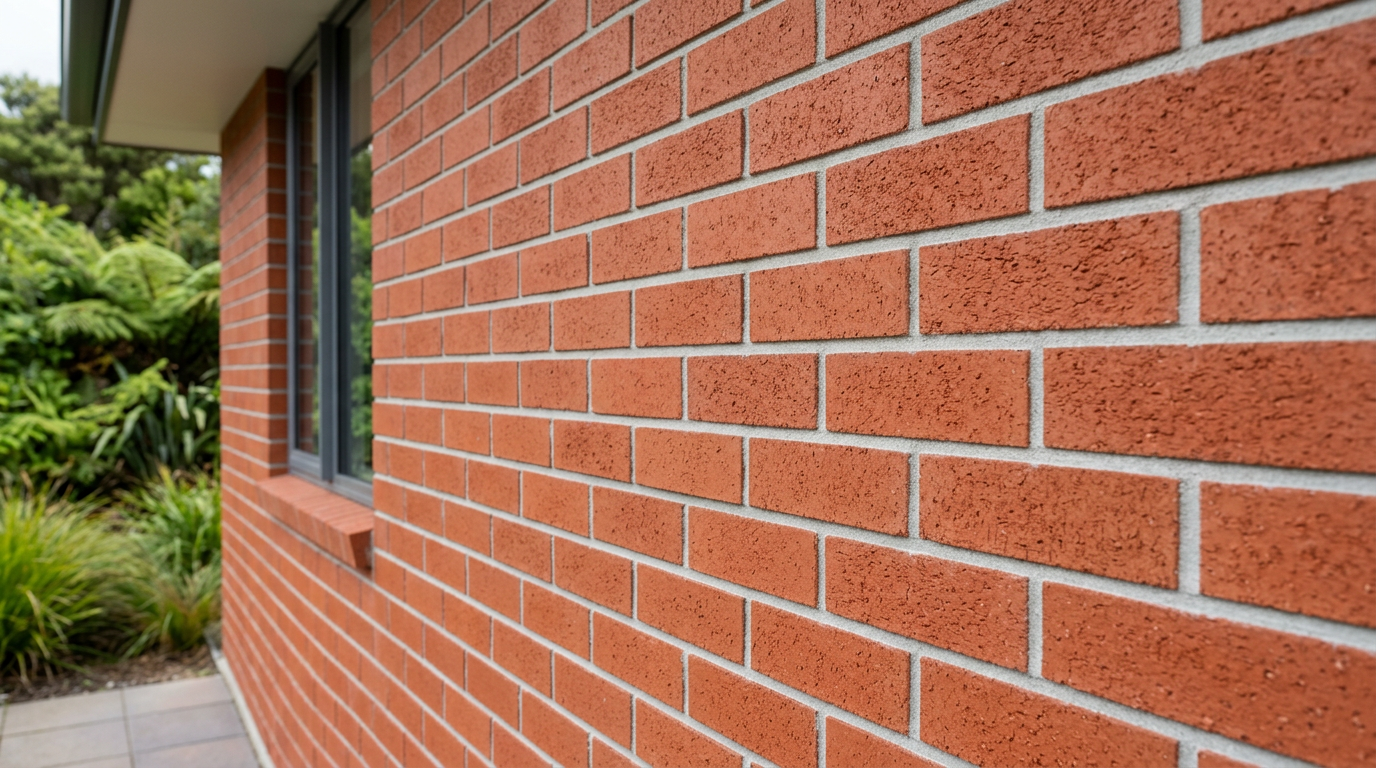
In New Zealand, whether a bricklayer can certify their own work or whether a council inspector needs to check it depends on the type of work, whether a building consent is required, and the qualifications of the tradesperson involved. For most structural or significant brickwork, council oversight is part of the process — but the rules have some important nuances worth understanding.
When Is a Building Consent Required for Brickwork?
Not all brickwork requires a building consent. The Building Act 2004 includes a list of Schedule 1 exemptions — work that is low-risk enough to proceed without consent. Some minor brickwork, such as small garden walls or non-structural repairs, may fall under these exemptions.
However, anything structural — including brick veneer cladding, load-bearing masonry, fireplaces, chimneys, or retaining walls over certain heights — will almost certainly require a building consent from your local council. Always check with your council before starting work, as exemption thresholds can vary and councils have discretion in how they apply them. You can find general guidance at MBIE Building Performance.
Can a Bricklayer Self-Certify Their Work?
In New Zealand, bricklaying is not a licensed or restricted trade in the same way that electrical or plumbing work is. There is no statutory licensing body for bricklayers equivalent to the Electrical Workers Registration Board or the Plumbers Gasfitters & Drainlayers Board. This means bricklayers cannot issue a Certificate of Compliance the way a licensed electrician or plumber can.
Instead, when a building consent is involved, the building consent authority (your local council) is responsible for inspecting and signing off the work. A bricklayer — no matter how experienced — cannot unilaterally certify consented work as compliant with the NZ Building Code.
The Role of Licensed Building Practitioners (LBPs)
While bricklayers aren't licensed in the same way as electricians, there is an important category to know about: Licensed Building Practitioners (LBPs). Some bricklayers hold an LBP licence in the Bricklaying and Blocklaying domain, which covers restricted building work (RBW).
Restricted building work includes structural and weathertight work on houses and small buildings. If your brickwork qualifies as RBW — for example, brick veneer cladding on a new home — it must be carried out or supervised by an LBP. The LBP is then required to provide a Record of Work to the homeowner and the council upon completion. This record is an important part of the consent sign-off process, but it is not the same as a final code compliance certificate — that still comes from the council.
You can check whether a bricklayer holds a current LBP licence at Licensed Building Practitioners.
How the Council Inspection Process Works
Once a building consent is granted, the council will specify inspection stages — points during construction where a building inspector must visit and check the work before it can proceed. For brickwork, this might include:
- Foundation and footing inspections before concrete is poured
- Structural tie and cavity inspections for brick veneer walls
- Lintel and support inspections over openings
- Final inspection once all work is complete
After all inspections are passed, the council issues a Code Compliance Certificate (CCC), which is the official document confirming the work meets the NZ Building Code. Without a CCC, the work is not formally signed off — and this can cause problems when you come to sell the property.
What About Work Without Consent?
If brickwork is genuinely exempt from consent under Schedule 1, there is no formal council inspection process. In this case, the homeowner is responsible for ensuring the work meets the Building Code — even without an inspection. This is why it's still important to use a skilled, reputable bricklayer even for exempt work. BRANZ provides technical guidance on building standards that tradespeople and homeowners can reference.
A Quick Summary
| Scenario | Who Signs Off? |
|---|---|
| Consented structural brickwork | Council inspector issues CCC |
| Restricted building work (RBW) | LBP provides Record of Work + council CCC |
| Schedule 1 exempt minor work | No formal sign-off; homeowner's responsibility |
| Licensed trade (electrical/plumbing) | Licensed tradesperson issues compliance cert |
When to Call a Professional
For any brickwork that is structural, involves weatherproofing, or is part of a new build or significant renovation, you should:
- Hire an LBP-licensed bricklayer to ensure restricted building work is covered
- Apply for building consent through your local council before work begins
- Never skip inspections — uninspected work can result in a notice to fix or demolish
Finding a qualified, experienced bricklayer in your area is straightforward — search tradedirectory.co.nz to connect with local professionals who understand NZ building requirements.


 Licensed Building Practitioner (LBP)





