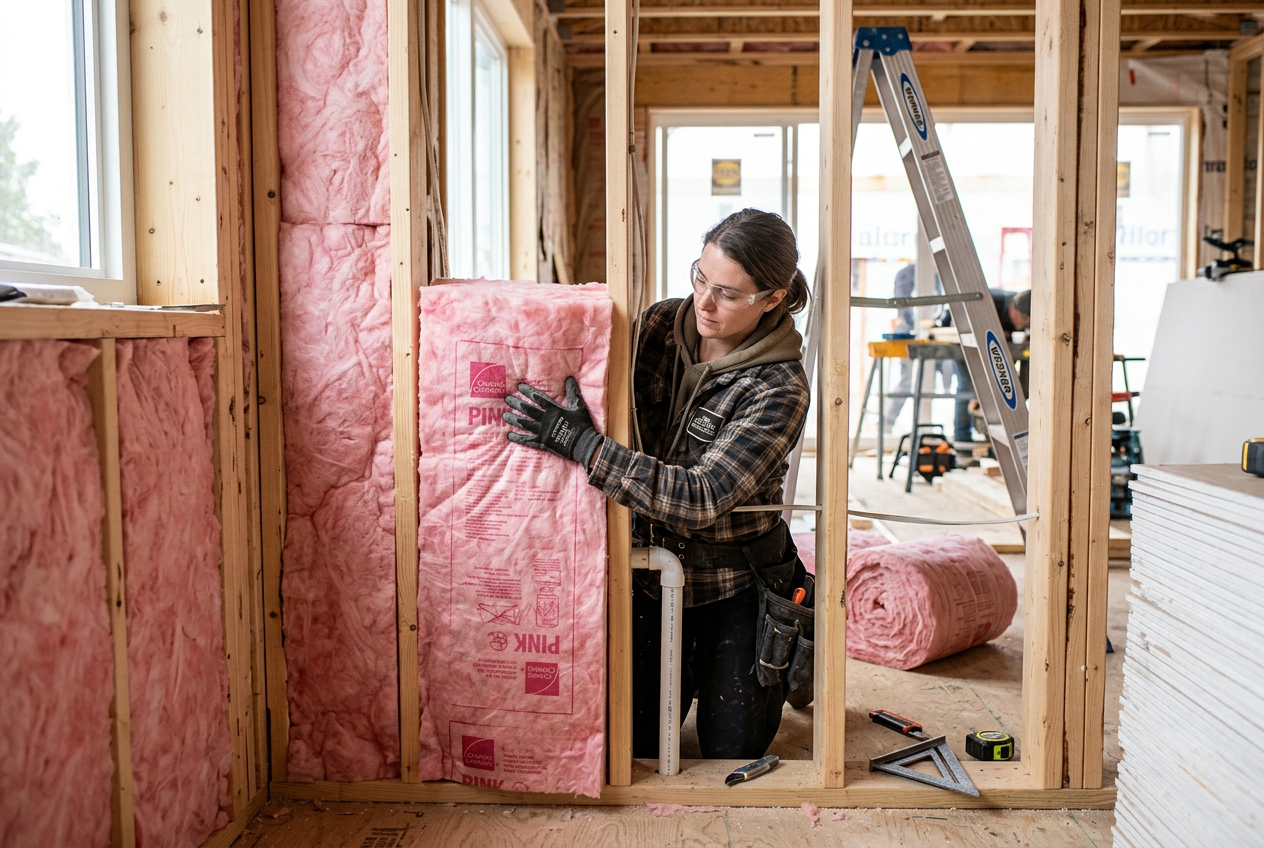
Keeping your home warm, dry, and energy-efficient starts with good insulation — and in New Zealand, where climates range from the subtropical north to the frosty south, choosing the right product and getting it installed correctly makes a real difference to comfort and running costs. Whether you are retrofitting an older home, building new, or simply trying to meet the Healthy Homes standards, this guide walks you through everything you need to know.
Why Insulation Matters in NZ
New Zealand homes have historically been under-insulated compared to many other developed countries. Cold, damp houses contribute to respiratory illness, higher power bills, and structural moisture problems. The NZ Building Code clause H1 (Energy Efficiency) sets minimum insulation requirements for new builds and major alterations, while the Healthy Homes standards require rental properties to meet specific underfloor and ceiling insulation levels. Getting insulation right is not just a comfort issue — it is increasingly a legal one.
NZ's climate zones (as defined under H1) range from Zone 1 (Northland/Auckland, mild and humid) through to Zone 6 (Central Otago/Southland, cold and frosty). The colder your zone, the higher the R-value (thermal resistance) you need. Always check MBIE Building Performance for the current H1 requirements for your zone, as these have been updated in recent years.
Types of Insulation Available in NZ
Glasswool (Fibreglass) Batts
Glasswool batts are the most widely used insulation in NZ homes. Brands such as Pink Batts (Fletcher Insulation) and Knauf are readily available at Bunnings and Mitre 10. They are suitable for ceiling, wall, and underfloor applications, are non-combustible, and resist moisture reasonably well when installed correctly. R-values for ceiling batts typically range from R2.2 up to R6.6 or higher for new-build requirements.
Polyester Batts
Polyester batts are made from recycled plastic bottles and are a popular alternative for people sensitive to glasswool fibres. They are soft to handle, do not irritate skin or lungs, and hold their shape well over time. They are available in similar R-value ranges to glasswool and are suitable for the same applications.
Rigid Foam Board (Polystyrene / PIR)
Expanded polystyrene (EPS) and polyisocyanurate (PIR) boards are used under concrete slabs, on exterior walls (as part of a cladding system), and in some roof applications. They offer high R-values for their thickness, making them useful where space is limited. PIR boards in particular are common in high-performance builds.
Blown-In Loose Fill
Loose-fill insulation (glasswool or cellulose fibre) is blown into ceiling spaces using specialist equipment. It is excellent for retrofitting older homes where access is limited, as it fills around obstructions easily. Professional installation is strongly recommended for this type.
Underfloor Insulation
For suspended timber floors — common in older NZ homes — underfloor insulation is typically glasswool or polyester segments held in place with wire, clips, or a breathable membrane. Proper installation is critical: insulation must be snug against the subfloor with no gaps, and the underfloor space must be adequately ventilated to manage moisture. The Healthy Homes standards specify minimum R-values for rental properties, so landlords should confirm requirements with Tenancy Services.
Spray Foam
Spray polyurethane foam (SPF) expands to fill cavities and is useful for sealing gaps and hard-to-reach areas. It is not typically used as the primary insulation in NZ residential builds but can complement other systems. It requires professional application and appropriate respiratory protection during installation — refer to WorkSafe NZ guidelines for safe handling.
Key Factors That Affect Your Choice
| Factor | What to Consider |
|---|---|
| Climate zone | Higher zones need higher R-values (check H1 for your region) |
| Application | Ceiling, wall, underfloor, or slab each suit different products |
| Access | Retrofit vs new build affects whether batts or blown-fill is practical |
| Moisture risk | Coastal or high-rainfall areas need moisture-resistant products |
| Budget | Glasswool is generally the most cost-effective; PIR costs more per m² |
| Health/sensitivity | Polyester batts suit those sensitive to glasswool fibres |
Understanding R-Values and NZ Building Code
The R-value measures how well insulation resists heat flow — the higher the number, the better the thermal performance. Under Building Code clause H1, minimum R-values depend on your climate zone and the building element (ceiling, wall, floor, or slab). For example, ceiling requirements in colder southern zones are significantly higher than in Auckland. These minimums were increased in recent H1 updates, so if you are building or doing a major renovation, confirm the current requirements with your local council or a Licensed Building Practitioner.
For rental properties, the Healthy Homes standards set specific minimum R-values for ceiling and underfloor insulation. Landlords who do not comply face financial penalties.
For further technical guidance, BRANZ publishes research and good-practice guides on insulation installation and performance in NZ conditions.
Step-by-Step: What the Installation Process Looks Like
- Assessment — A professional or experienced DIYer measures the ceiling, wall, and floor areas, identifies the climate zone, and determines the required R-values.
- Product selection — Choose the appropriate insulation type and R-value for each application.
- Preparation — Clear the ceiling space of debris; ensure underfloor areas are dry and ventilated; check for any existing insulation that may need removal or top-up.
- Installation — Batts are cut to fit snugly between joists or studs with no gaps, compression, or voids. Loose fill is blown in evenly. Underfloor insulation is secured firmly against the subfloor.
- Vapour management — In wet areas or high-moisture zones, appropriate vapour barriers may be required (confirm with your installer or council).
- Inspection — For new builds or consented work, a building inspector will check compliance with H1.
DIY vs Professional Installation
Ceiling insulation in an accessible roof space is one of the more DIY-friendly home improvement tasks, provided you take proper precautions: wear a P2 respirator, safety glasses, gloves, and long sleeves when handling glasswool; use boards to walk on ceiling joists; and never step between joists. Ensure the space is well ventilated.
Underfloor insulation can also be DIY in many cases, though working in a confined crawl space is physically demanding and requires care around moisture and existing services.
Wall insulation in an existing home almost always requires professional involvement, as it typically means opening wall linings or using specialist injection/blown techniques.
Blown-in loose fill requires specialist equipment and is best left to professionals.
Always check whether your project requires a building consent — most insulation retrofits are exempt under Schedule 1 of the Building Act, but always confirm with your local council before starting work.
Getting Multiple Quotes and Choosing a Tradesperson
As with any home improvement project, always get multiple quotes from qualified tradespeople and check their references before hiring. Ask installers:
- What R-value will they achieve, and how does it meet H1 or Healthy Homes requirements?
- What brand and product will they use?
- Do they provide a written quote and a completion certificate?
- Are they a member of a recognised industry body?
You can find qualified local insulation installers on tradedirectory.co.nz. For energy efficiency advice, Energywise also provides useful guidance on insulation and home heating.
When to Call a Professional
Call a professional insulation installer when:
- You are installing wall insulation in an existing home
- The ceiling or underfloor space is inaccessible or confined
- You need blown-in loose fill
- Your project requires a building consent or compliance certificate
- You are unsure whether existing insulation contains hazardous materials (e.g. old loose fill that may contain asbestos — do not disturb it; get a professional assessment first)
- You are a landlord needing to meet Healthy Homes deadlines
Plan your project budget carefully, including a contingency for unexpected findings such as moisture damage or the need to remove old materials. Use quality materials suited to NZ conditions, and always confirm building consent requirements with your local council.
Sources & Further Reading
- MBIE Building Performance — Building Code clause H1
- BRANZ — Insulation research and good-practice guides
- Tenancy Services — Healthy Homes insulation standard
- Energywise — Home insulation advice
- WorkSafe NZ — Safe handling of insulation materials
- Licensed Building Practitioners — Find a licensed professional