A high power bill can come as a real shock — especially heading into a cold New Zealand winter. The good news is that most households have several opportunities to cut their electricity use without sacrificing comfort. This guide walks you through the most common culprits and what you can do about them.
Common Reasons Your Power Bill Is High
Before you can fix the problem, it helps to understand what's driving it. Here are the most frequent causes in NZ homes:
- Inefficient heating – Resistive heaters (bar heaters, oil column heaters) are among the most expensive ways to heat a room. Heat pumps are far more efficient.
- Old or inefficient appliances – Older fridges, washing machines, and water heaters can use significantly more electricity than modern equivalents.
- Hot water heating – Water heating typically accounts for a large portion of a household's electricity use. An ageing electric hot water cylinder running continuously is a common culprit.
- Poor insulation and draughts – If your home loses heat quickly, your heating system works harder and longer. BRANZ research consistently shows that well-insulated homes use considerably less energy.
- Standby power (phantom loads) – TVs, game consoles, chargers, and appliances left on standby all draw small amounts of power around the clock, which adds up.
- Lighting – Older incandescent or halogen bulbs use much more power than LED alternatives.
- Incorrect power plan – You may simply be on the wrong electricity plan for your usage pattern.
Check Your Meter and Billing First
Before assuming your usage has increased, rule out billing errors:
- Read your meter yourself and compare it to your bill. Smart meters update automatically, but older meters may have been estimated.
- Check your billing period – some bills cover longer periods, especially over holidays.
- Compare year-on-year rather than month-to-month, since seasonal variation is significant in NZ.
If something looks genuinely wrong, contact your electricity retailer. Consumer NZ has useful guidance on disputing power bills.
Heating and Cooling Smarter
Heating is usually the biggest variable in a NZ power bill. Consider these steps:
- Switch to a heat pump if you haven't already. Heat pumps deliver roughly three units of heat for every one unit of electricity consumed — far better than resistive heaters.
- Heat the room you're in, not the whole house. Close doors and use your heat pump's timer function.
- Set your thermostat to around 18–20°C — the World Health Organization's recommended minimum for healthy indoor temperatures, which also aligns with the Healthy Homes Standards for rental properties.
- Service your heat pump annually — dirty filters reduce efficiency noticeably.
Hot Water: A Hidden Energy Drain
Hot water heating is one of the largest electricity costs in most NZ homes. Here's how to manage it:
- Lower your cylinder thermostat to around 60°C (the minimum safe temperature to prevent Legionella bacteria growth — do not go lower).
- Install a cylinder wrap (insulating blanket) on older uninsulated cylinders.
- Use a timer so your cylinder heats water during off-peak hours — check with your retailer about low-rate overnight tariffs.
- Consider a heat pump water heater as a longer-term upgrade; these can dramatically reduce water heating costs.
⚠️ Safety note: Adjusting the thermostat on your hot water cylinder involves working near live electrical components. Unless you are confident and the controls are clearly accessible, this is best left to a licensed electrician.
Appliances and Standby Power
- Switch appliances off at the wall rather than leaving them on standby.
- Run your dishwasher and washing machine on full loads and use cold-water wash cycles where possible.
- Check the energy star rating when replacing appliances — the more stars, the lower the running cost.
- Older chest freezers and second fridges in the garage are notorious energy users. Consider whether you really need them.
Lighting
If you still have incandescent or halogen bulbs anywhere in your home, replacing them with LED bulbs is one of the quickest wins available. LEDs use a fraction of the power and last many times longer. Most hardware stores including Mitre 10 and Bunnings stock a wide range of LED options to suit standard NZ fittings.
Insulation and Draught-Stopping
Improving your home's thermal envelope means your heating system doesn't have to work as hard:
- Ceiling and underfloor insulation are the highest-impact upgrades. Check Energywise for information on current government subsidies that may help with costs.
- Draught-stopping around doors, windows, and skirting boards is inexpensive and DIY-friendly.
- Curtains and thermal linings make a real difference on cold nights.
Compare Your Power Plan
NZ has a competitive electricity retail market. Use the government's Powerswitch tool (available via Energywise) to compare plans based on your actual usage. Switching retailers or plans can sometimes reduce your bill without changing any behaviour at all.
When to Call a Professional
Some energy-saving upgrades involve restricted electrical work under the Electricity Act, which must only be carried out by a registered electrician. This includes:
- Installing or relocating power points, switches, or fixed appliances
- Wiring a heat pump (the electrical connection, not the refrigerant work)
- Installing a new hot water cylinder or upgrading to a heat pump water heater
- Adding a timer or ripple control relay to your hot water system
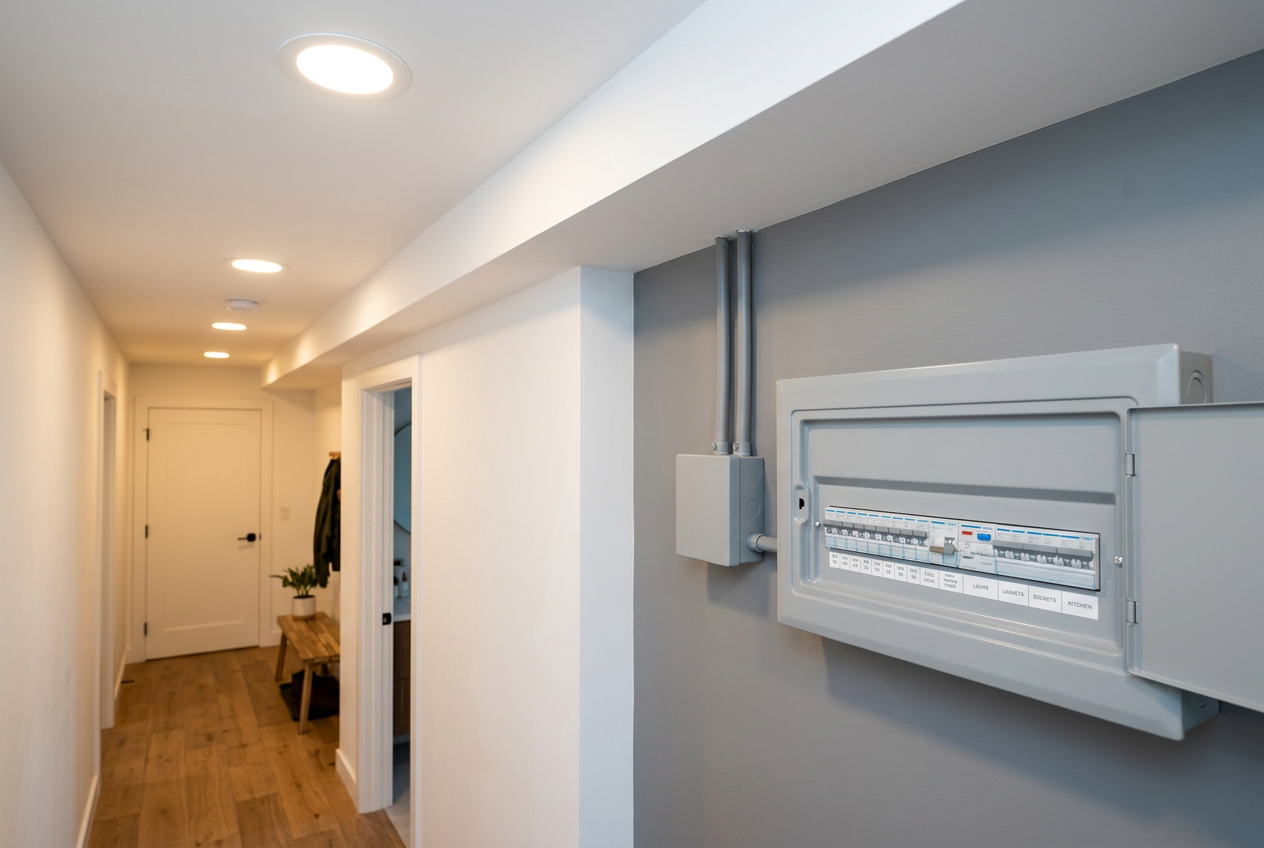
- Any work inside your switchboard
Attempting restricted electrical work yourself is illegal and dangerous — it can void your home insurance and create serious fire or electrocution risks. Always use a registered electrician; you can verify registration through the Electrical Workers Registration Board (EWRB).
If you're not sure where to start, a qualified electrician can carry out an energy audit of your home and recommend the most cost-effective upgrades. Find a trusted local electrician on tradedirectory.co.nz.