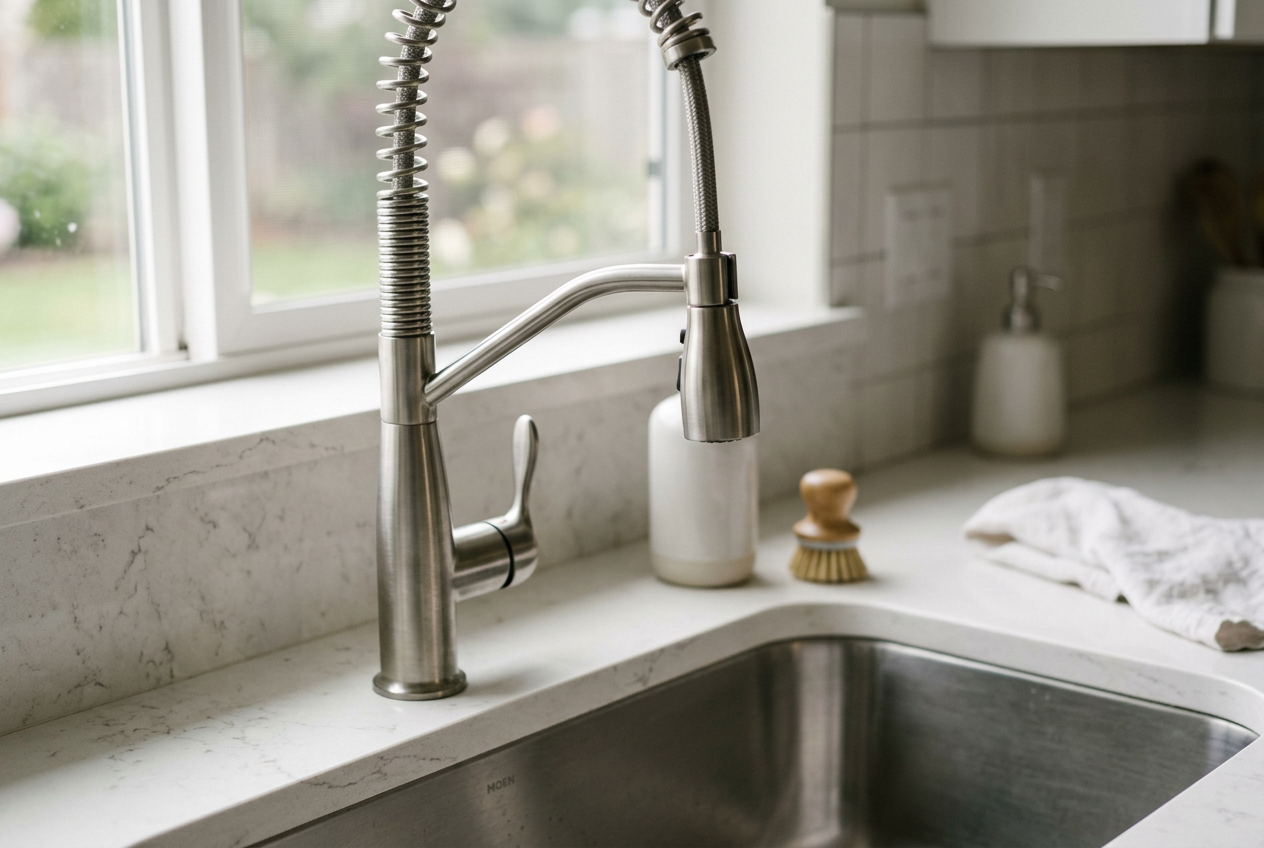
That sudden thud or series of bangs you hear when you turn off a tap — or when your washing machine finishes filling — is one of the most common plumbing complaints in NZ homes. The good news is it's usually fixable, and understanding what's happening inside your pipes is the first step.
What Is Water Hammer?
Water hammer (sometimes called hydraulic shock) happens when fast-moving water is suddenly stopped or forced to change direction. Water, unlike air, is essentially incompressible — so when a tap or valve closes quickly, the momentum of the water has nowhere to go. That energy travels back through the pipe as a pressure wave, causing the pipe to shudder and bang against framing, joists, or other pipes.
Modern solenoid valves — the kind found in dishwashers, washing machines, and toilet cisterns — are particularly prone to causing water hammer because they snap shut almost instantly, rather than closing gradually like a hand-turned tap.
Common Causes in NZ Homes
- High water pressure — Many NZ homes, especially those on a steep section or close to a water main, can have mains pressure that's higher than ideal. MBIE Building Performance guidelines and the NZ Building Code (clause G12) specify acceptable pressure ranges for household plumbing. Excessive pressure makes water hammer worse.
- Loose or unsupported pipes — Pipes that aren't properly clipped or bracketed to framing can physically move when the pressure wave hits, amplifying the banging sound.
- Worn or missing air chambers — Older homes were sometimes fitted with short vertical pipe stubs (air chambers) near taps to absorb shock. Over time these fill with water and lose their cushioning effect.
- Faulty or worn tap washers — A deteriorating washer can cause pipes to vibrate or chatter as water flows past it, which is slightly different from true water hammer but sounds similar.
- Quick-closing appliances — Dishwashers, washing machines, and solenoid-operated valves are frequent culprits.
How to Diagnose the Problem
Before reaching for tools, spend a few minutes working out exactly when the banging occurs:
- Which tap or appliance triggers it? Try each tap individually and run your dishwasher or washing machine to isolate the source.
- Is it a single bang or a rapid hammering? A single thud usually points to water hammer; a rapid chattering or vibration often suggests a washer or valve issue.
- Where in the house is the noise loudest? This can help you locate which pipe run is affected.
DIY Fixes You Can Try
1. Check and Adjust Your Water Pressure
If your home has a pressure-limiting valve (PLV) — often located near the toby (water meter) or where the main enters the house — it may need adjustment or replacement. You can buy a simple pressure gauge from Bunnings or Mitre 10 to test your pressure yourself. If pressure is consistently high, this is a job for a licensed plumber.
2. Secure Loose Pipes
If you have access to exposed pipes (in a basement, ceiling space, or garage), check whether they're properly clipped. Adding pipe clips or foam lagging can stop pipes physically moving and reduce noise significantly. Pipe clips and lagging are readily available at hardware stores.
3. Drain and Recharge Air Chambers
If your home has air chambers fitted, they may have become waterlogged. Turn off the main water supply at the toby, then open the lowest tap in the house to drain the system. When you turn the water back on, air should re-enter the chambers. This is a straightforward DIY task.
4. Install a Water Hammer Arrestor
Water hammer arrestors are small devices fitted to the pipe near the offending tap or appliance. They contain a sealed air chamber with a piston that absorbs the pressure wave. Unlike old-style air chambers, they don't waterlog over time. These are available at plumbing suppliers and larger hardware stores. Fitting one yourself is possible if the connection point is accessible and you're comfortable with basic plumbing — but if it involves cutting into pipework, see the section below.
5. Replace Tap Washers
A worn tap washer is a simple DIY fix in most cases. Turn off the water supply to that tap, disassemble the tap head, and replace the washer. Washers are inexpensive and widely available.
What About Water Pressure — Is Mine Too High?
NZ homes are generally supplied at mains pressure, which can vary considerably depending on your location and elevation. BRANZ research highlights that high static pressure is a leading contributor to water hammer and can also stress pipe joints and fittings over time, potentially leading to leaks. If your pressure gauge reading is consistently above the range recommended under NZ Building Code clause G12, talk to a plumber about installing or adjusting a pressure-limiting valve.
When to Call a Professional
Some water hammer fixes are well within a confident DIYer's reach, but others involve restricted plumbing work under the Plumbers, Gasfitters and Drainlayers Board (PGDB) rules. In New Zealand, any work that involves:
- Cutting into or modifying pressurised pipework
- Installing or adjusting a pressure-limiting valve
- Replacing a toby or main stopcock
- Any work on hot water systems
…must be carried out by a licensed plumber. Attempting restricted work yourself is illegal and can void your home insurance. Always ask to see a tradesperson's licence or check the PGDB register.
If the banging is severe, has started suddenly, or is accompanied by visible pipe movement, damp patches, or reduced water pressure, don't delay — call a licensed plumber. Ongoing water hammer can fatigue pipe joints and fittings, eventually causing leaks.
You can find qualified, local plumbers in your area at tradedirectory.co.nz.
Quick Comparison: DIY vs. Call a Plumber
| Task | DIY OK? | Notes |
|---|---|---|
| Securing loose pipes with clips | ✅ Yes | If pipes are accessible |
| Replacing a tap washer | ✅ Yes | Turn off supply first |
| Draining/recharging air chambers | ✅ Yes | Simple process |
| Fitting a hammer arrestor (push-fit) | ✅ Sometimes | Only if no pipe cutting needed |
| Adjusting/replacing pressure-limiting valve | ❌ No | Licensed plumber required |
| Cutting into pipework | ❌ No | Restricted work under PGDB |
| Hot water system work | ❌ No | Restricted work under PGDB |