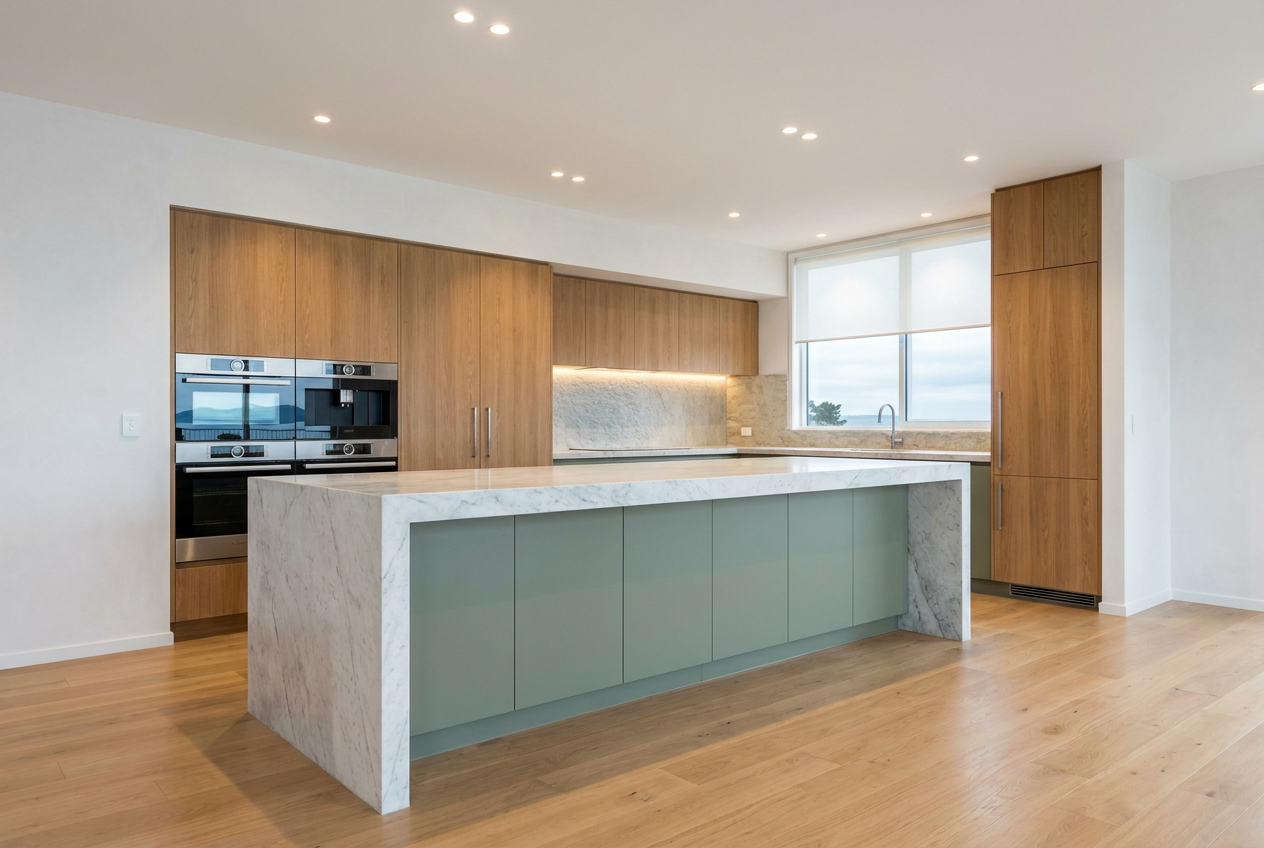
Choosing the right timber for interior doors and windows is one of those decisions that pays dividends for decades. The wrong choice can mean warping, difficult finishing, or a look that just doesn't suit your home — while the right timber will be a pleasure to live with and easy to maintain. Here's what you need to know before heading to the timber yard or talking to your local joiner.
Why Timber Species Matters
Not all timber behaves the same way indoors. Key factors to consider include stability (resistance to warping and movement), hardness (how well it resists dents and wear), grain character (how it looks when stained or clear-coated), and workability (how easily it can be machined, shaped, and joined). New Zealand's variable humidity — especially in coastal or high-rainfall regions — means timber movement is a real consideration, particularly around windows where moisture levels can fluctuate.
Popular Timber Choices for Interior Doors
Radiata Pine (Pinus radiata)
Radiata pine is by far the most widely used timber for interior doors in New Zealand, and for good reason. It's locally grown, readily available, cost-effective, and takes paint beautifully. Finger-jointed and laminated pine door blanks are a staple at Bunnings and Mitre 10. The main trade-off is that pine is relatively soft, so it can dent and mark more easily than hardwoods — something to consider in high-traffic areas or homes with kids and pets.
- Best for: Painted finishes, budget-conscious projects, standard residential doors
- Finish tip: Always prime with a quality primer before painting; Resene offers primers specifically formulated for pine
Macrocarpa
Macrocarpa is a NZ-grown softwood with a warm, golden colour and attractive grain. It's more stable than radiata pine and has natural oils that give it reasonable durability. It's a popular choice for those wanting a clear or stained finish with a distinctly local character. Macrocarpa can be sourced from specialist timber merchants and some PlaceMakers branches.
- Best for: Clear or stained finishes, rustic or natural aesthetics
- Watch out for: Resin pockets; seal knots before painting
American Oak and European Oak
Oak is a premium hardwood choice for interior doors and window joinery. It's hard, stable, and has a classic grain that looks stunning under a clear finish or light stain. Oak is significantly more expensive than pine but rewards you with longevity and a high-end appearance. It machines well and holds fixings reliably.
- Best for: High-end homes, feature doors, stained or oiled finishes
- Cost guide: Expect to pay considerably more per metre than pine — as a rough guide, often two to four times the price
Rimu
Rimu is a beloved NZ native timber with a fine, interlocking grain and warm reddish-brown tones. While new rimu is tightly regulated under the NZ Building Code and forestry rules, recycled rimu from demolition salvage is widely available and highly sought after for matching existing joinery in older NZ homes (particularly villas and bungalows). It finishes beautifully with oil or clear lacquer.
- Best for: Matching heritage joinery, character homes, clear finishes
- Note: Always confirm timber is legally sourced; new native timber harvest is heavily restricted in NZ
MDF-Core and Engineered Timber Doors
Many modern interior doors use an MDF or engineered timber core with a solid timber lipping and veneer face. These are dimensionally very stable, resist warping well, and are cost-effective. They're ideal for painted finishes but don't suit routing or rebating as well as solid timber.
Timber for Interior Windows
Interior window frames and sills face more moisture exposure than doors, particularly in bathrooms and kitchens. Stability and the ability to take a durable finish are paramount.
| Timber | Stability | Hardness | Best Finish | Relative Cost |
|---|---|---|---|---|
| Radiata Pine | Moderate | Soft | Paint | Low |
| Macrocarpa | Good | Medium | Clear/Stain | Low–Medium |
| American Oak | Excellent | Hard | Clear/Stain/Oil | High |
| Rimu (recycled) | Good | Medium | Clear/Oil | Medium–High |
| Meranti/Kwila | Good | Hard | Paint/Stain | Medium |
For wet areas such as bathrooms, BRANZ recommends ensuring all timber joinery is thoroughly sealed on all faces — including the back and ends — before installation to minimise moisture uptake. This is especially important to comply with the NZ Building Code clause E3 (internal moisture).
Finishing and Maintenance
Whatever species you choose, preparation is everything. Sand with the grain, fill any defects, and always seal end grain. For painted finishes, two coats of a quality primer followed by a topcoat will give the best result. For clear or stained finishes, a penetrating oil or polyurethane from Wattyl or Resene will protect the timber and bring out its natural beauty.
Interior joinery in high-humidity rooms should be inspected annually and refinished as needed to prevent moisture ingress and swelling.
When to Call a Professional
While a confident DIYer can hang a pre-hung door or replace a window sill, custom joinery work — including making doors and windows from scratch, fitting frames into structural openings, or any work that affects weathertightness — is best left to a qualified joiner or Licensed Building Practitioner (LBP). Structural alterations to window openings may also require a building consent under the NZ Building Code.
If your window replacement involves any electrical work nearby (such as relocating switches or wiring), that is restricted electrical work and must be carried out by a registered electrician listed with the Electrical Workers Registration Board (EWRB).
For bespoke interior doors and windows that truly suit your home, a skilled joiner will save you time, waste, and frustration. You can find qualified local joiners on tradedirectory.co.nz.