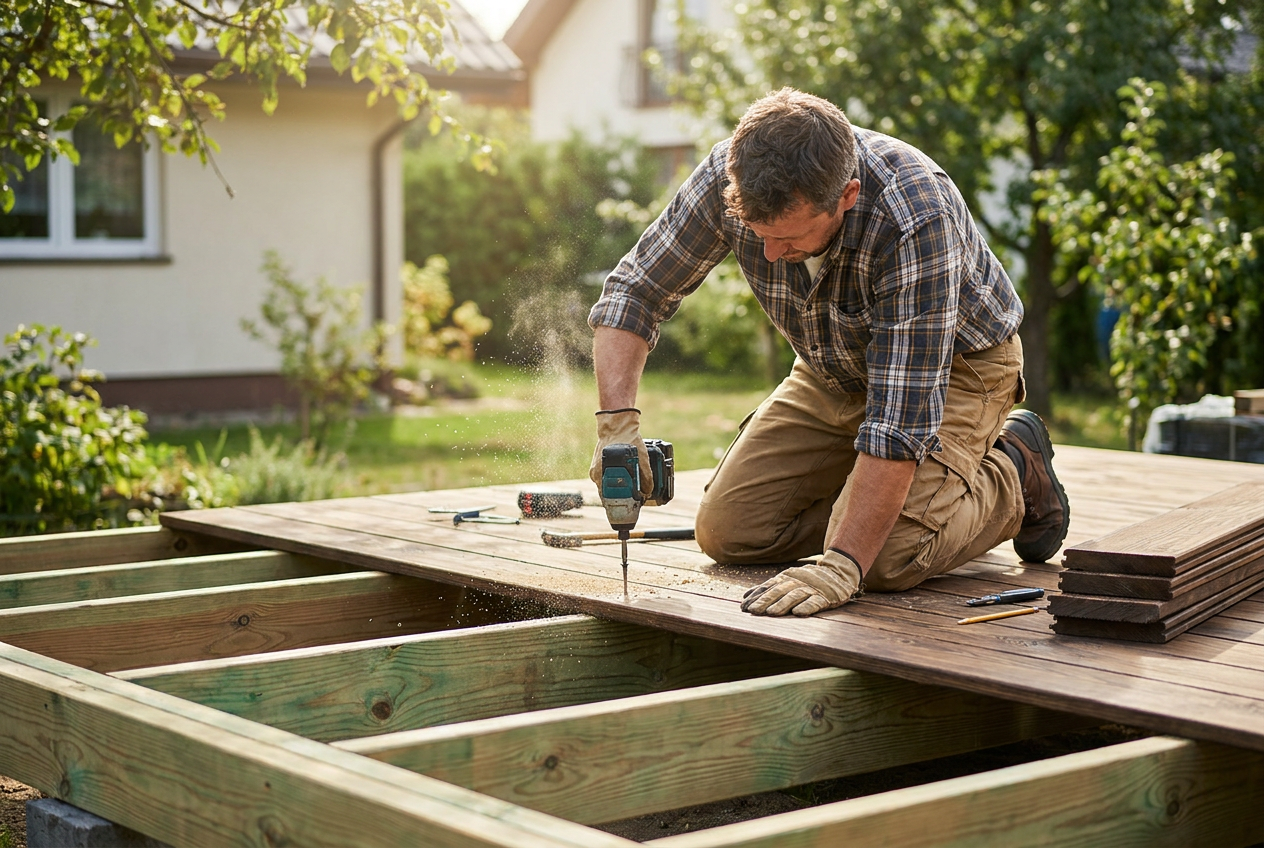
Putting up a new fence is one of the most satisfying DIY projects a Kiwi homeowner can tackle — but choosing the wrong timber or posts can mean your fence rots, leans, or fails within a few years. New Zealand's variable climate, from the humid Northland to the frost-prone South Island interior, means timber selection really does matter. This guide walks you through the key choices so you can build a fence that lasts.
Why Timber Treatment Level Matters
In New Zealand, all structural timber used outdoors must meet Hazard Class requirements set under NZS 3640. The hazard class tells you how much preservative treatment the timber has received and what conditions it can handle.
- H3.1 – Above-ground use, protected from direct wetting (e.g. fence rails and palings under an overhang)
- H3.2 – Above-ground use, exposed to weather (e.g. fence rails and palings fully exposed to rain)
- H4 – Ground contact, such as fence posts set in soil or concrete
- H5 – Ground contact in harsh conditions or near the coast
For most residential fences, you'll want H3.2 for rails and palings and H4 for posts. In coastal areas or very wet soils, step up to H5 posts for extra longevity. Always check the end-grain stamp on the timber before you buy — reputable suppliers like Mitre 10 and PlaceMakers stock correctly graded fencing timber.
Common Timber Species for NZ Fencing
Not all timber is equal when it comes to fencing. Here's a quick comparison of the most common options available in New Zealand:
| Timber | Typical Use | Durability | Notes |
|---|---|---|---|
| Treated Radiata Pine | Posts, rails, palings | Good (when treated) | Most affordable, widely available |
| Macrocarpa | Rails, palings, posts | Very good | Naturally durable, no treatment needed |
| Kwila (Merbau) | Decorative fencing | Excellent | Imported hardwood, premium cost |
| Rough-sawn Redwood | Palings, rails | Good | Attractive grain, takes stain well |
| Recycled Rimu/Kauri | Feature fencing | Variable | Check condition carefully |
Treated radiata pine is by far the most common choice for everyday fencing in NZ — it's cost-effective, easy to work with, and widely available. Macrocarpa is a popular natural alternative, especially in rural areas, and doesn't require chemical treatment. It does tend to warp if not dried properly, so buy seasoned stock where possible.
Choosing the Right Posts
Your posts are the backbone of the fence, so don't cut corners here. A few key considerations:
Post Size
For a standard 1.2–1.8 m high fence, 100 x 100 mm posts are the typical minimum. Taller or heavier fences (e.g. solid board privacy fences) benefit from 125 x 125 mm posts. Gate posts should always be a size up from your standard line posts.
Post Depth
As a general rule, bury at least one-third of the post length in the ground. For a 1.8 m fence, you'd typically use a 2.4 m post set 600 mm deep. In loose or sandy soils, go deeper.
Concrete vs. Compacted Fill
Setting posts in concrete gives a solid, long-lasting result and is recommended for gate posts and corner posts. For line posts, some fencers prefer compacted gravel or soil, which allows moisture to drain away from the post base and can actually extend post life. Concrete that traps water around the post can accelerate rot even in treated timber.
Steel Posts
Galvanised steel Y-posts or RHS (rectangular hollow section) posts are worth considering for boundary fences, especially on lifestyle blocks or where a very long fence run makes timber posts expensive. They won't rot, but they do require different rail-fixing methods.
Rails and Palings
Standard fence rails are typically 75 x 50 mm or 100 x 50 mm treated pine, run horizontally between posts. Space rails no more than about 900 mm apart vertically to prevent sagging palings.
For palings (the vertical boards), rough-sawn 100 x 25 mm or 150 x 25 mm H3.2 treated pine is the standard choice. Rough-sawn timber holds paint and stain better than dressed timber, which matters if you plan to finish the fence. Resene and Wattyl both offer exterior timber stains and paints well-suited to NZ conditions.
Coastal and High-Moisture Environments
If you're within a few kilometres of the coast, salt air accelerates corrosion and timber decay. Use H5-treated posts, stainless steel or hot-dipped galvanised fixings (not just zinc-plated), and consider a naturally durable species like macrocarpa for above-ground components. BRANZ has useful guidance on building in coastal environments.
Fixings and Hardware
Always match your fixings to your environment:
- Inland/suburban: Hot-dipped galvanised nails, screws, and brackets
- Coastal: Stainless steel fixings throughout
Avoid bright (uncoated) steel fixings — they rust quickly and stain the timber.
When to Call a Professional
Most fence building is DIY-friendly, but there are situations where a qualified fencer adds real value:
- Boundary disputes – A fencer experienced in NZ property law can help you avoid costly neighbour disputes. Check your title and the MBIE Building Performance site for rules on boundary fences.
- Retaining walls combined with fencing – If your fence sits on or near a retaining wall over 1.5 m, building consent may be required.
- Large or complex projects – Long runs, sloped sites, or automated gates are best left to the pros.
- Electrical components – Any electric fence energiser wiring connected to mains power must be done by a registered electrician (EWRB).
You can find qualified, local fencing professionals on tradedirectory.co.nz to get the job done right.