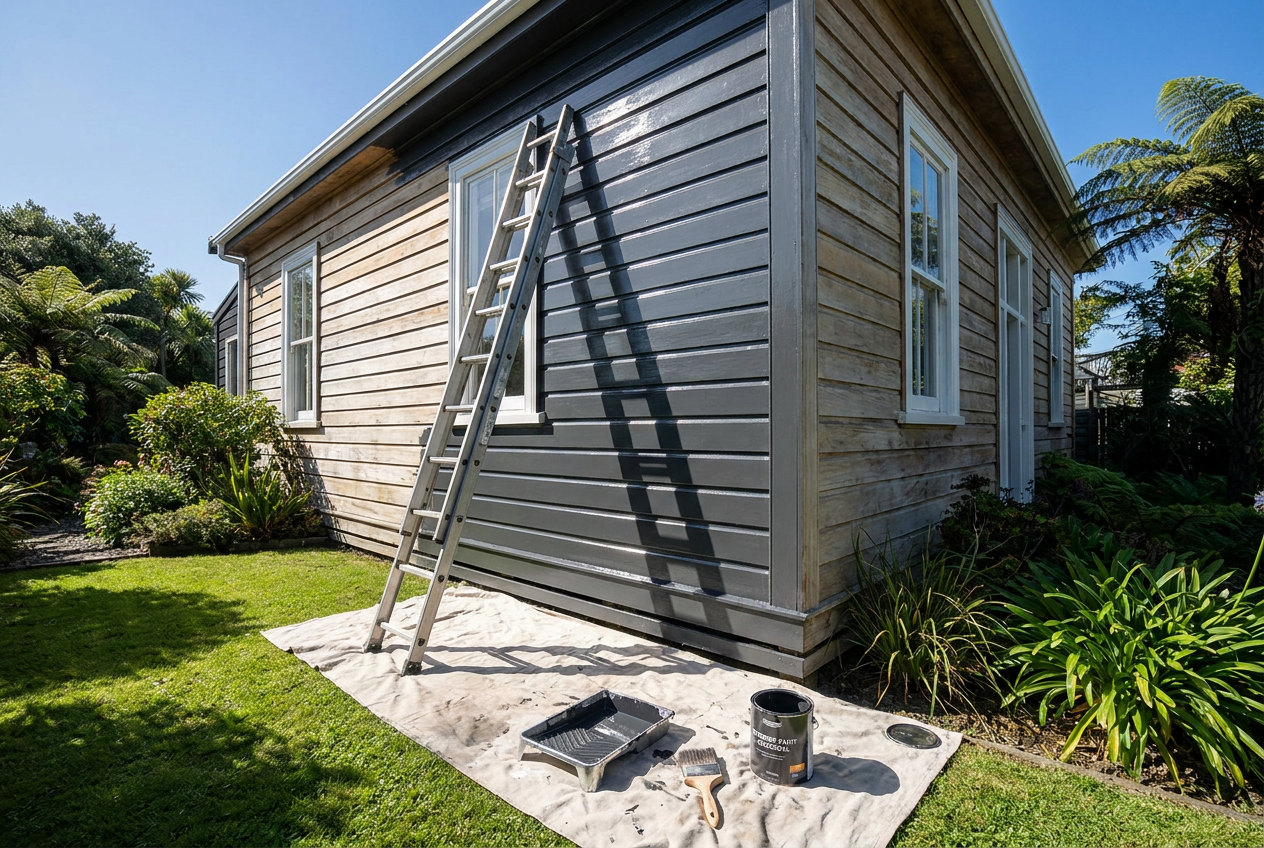
Plaster and stucco exteriors are common on New Zealand homes, from classic 1920s–1950s bungalows to modern monolithic cladding systems. Getting the paint choice right is critical — the wrong product can trap moisture, cause peeling, or even contribute to weathertightness problems. Here's a practical guide to help you choose wisely.
Understanding Your Plaster or Stucco Surface
Before you reach for a paintbrush, it's important to know what you're working with. Traditional sand-and-cement render (often called stucco) is highly alkaline and porous. Modern monolithic cladding systems — such as those using fibre cement or polystyrene substrates — may have specific coating requirements set by the manufacturer.
If your home was built or re-clad between the late 1980s and early 2000s, it may be a monolithic clad home. These homes have well-documented weathertightness risks, and BRANZ has extensive guidance on maintaining and repainting them correctly. If you have any doubts about the condition of your cladding, get a professional assessment before painting.
Why Paint Choice Matters on Plaster
Plaster and stucco are alkaline and breathable by nature. The paint system you choose must:
- Allow moisture vapour to escape (be vapour-permeable or "breathable")
- Resist the alkalinity of the substrate, especially on new or recently repaired plaster
- Provide flexibility to cope with minor movement and NZ's variable climate
- Offer UV resistance for our high-UV environment
Trapping moisture behind an impermeable coating is one of the leading causes of paint failure and can contribute to rot and mould in the wall structure beneath.
The Best Paint Types for Plaster and Stucco
Acrylic Waterborne Paints
100% acrylic exterior paints are the go-to recommendation for most plaster and stucco surfaces in New Zealand. They are:
- Breathable enough to allow moisture vapour transmission
- Flexible, reducing cracking as the substrate moves
- Alkali-resistant when fully cured
- Available in a huge range of colours and finishes
Look for products specifically labelled for masonry or exterior plaster use. Resene offers dedicated masonry and plaster coatings, and Dulux and Wattyl both have exterior masonry ranges suited to NZ conditions.
Elastomeric Coatings
For surfaces with fine hairline cracks or movement, elastomeric (flexible) coatings are worth considering. These stretch across small cracks and help keep water out. They are thicker than standard acrylics and are particularly useful on older stucco that has developed a network of fine crazing.
What to Avoid
- Oil-based (alkyd) paints — these are not vapour-permeable and can trap moisture, leading to blistering and peeling on plaster
- Interior paints — never use these outside; they lack the UV and weather resistance needed
- Cheap, low-quality masonry paints — these often have poor alkali resistance and fail quickly
Comparing Common Paint Options
| Paint Type | Breathable | Flexible | Alkali Resistant | Best For |
|---|---|---|---|---|
| 100% Acrylic Masonry | ✅ Yes | ✅ Good | ✅ Yes | Most plaster/stucco |
| Elastomeric Acrylic | ✅ Yes | ✅ Excellent | ✅ Yes | Cracked or aged stucco |
| Oil-Based Alkyd | ❌ No | ❌ Poor | ⚠️ Limited | Not recommended |
| Interior Acrylic | ✅ Yes | ✅ Moderate | ❌ No | Indoors only |
Surface Preparation — The Most Important Step
No matter how good your paint is, it will fail without proper prep. For plaster and stucco:
- Clean thoroughly — wash off dirt, mould, and chalking with a suitable cleaner or dilute bleach solution, then rinse well
- Allow to dry — plaster must be fully dry before painting; this can take longer than you expect, especially in cooler or humid months
- Repair cracks and damage — use a flexible exterior filler or patching compound suitable for masonry
- Apply a sealer or primer — new or repaired plaster is highly alkaline and porous. A dedicated alkali-resistant primer or masonry sealer is essential to prevent the alkali from attacking the topcoat and to even out porosity
- Check for efflorescence — white salt deposits must be removed before painting or they will push the paint off from underneath
New plaster should ideally be left to cure for at least four weeks before painting, though follow your paint manufacturer's specific guidance.
Sheen Level and Colour Considerations
For exterior plaster, a low-sheen or flat finish is generally preferred as it hides surface imperfections better. However, a slightly higher sheen (such as satin) can be easier to clean and may offer better water run-off in very wet regions.
In New Zealand's high-UV environment, dark colours absorb more heat, which can stress the substrate and paint film. This is especially relevant for monolithic cladding systems. Check with your paint supplier or BRANZ guidance if you're considering a very dark colour on a monolithic home.
When to Call a Professional
While a competent DIYer can repaint a sound plaster exterior, there are situations where you should engage a qualified professional painter:
- The existing paint is heavily peeling, blistered, or failing across large areas
- You suspect moisture damage, rot, or weathertightness issues beneath the surface
- The home is a monolithic clad building with a complex coating specification
- You need work done at height (scaffolding safety is a serious consideration — refer to WorkSafe NZ guidelines)
- You want a warranty-backed job with professional-grade results
A qualified painter will also know which products are appropriate for your specific cladding system and local conditions. You can find experienced local painters on tradedirectory.co.nz.