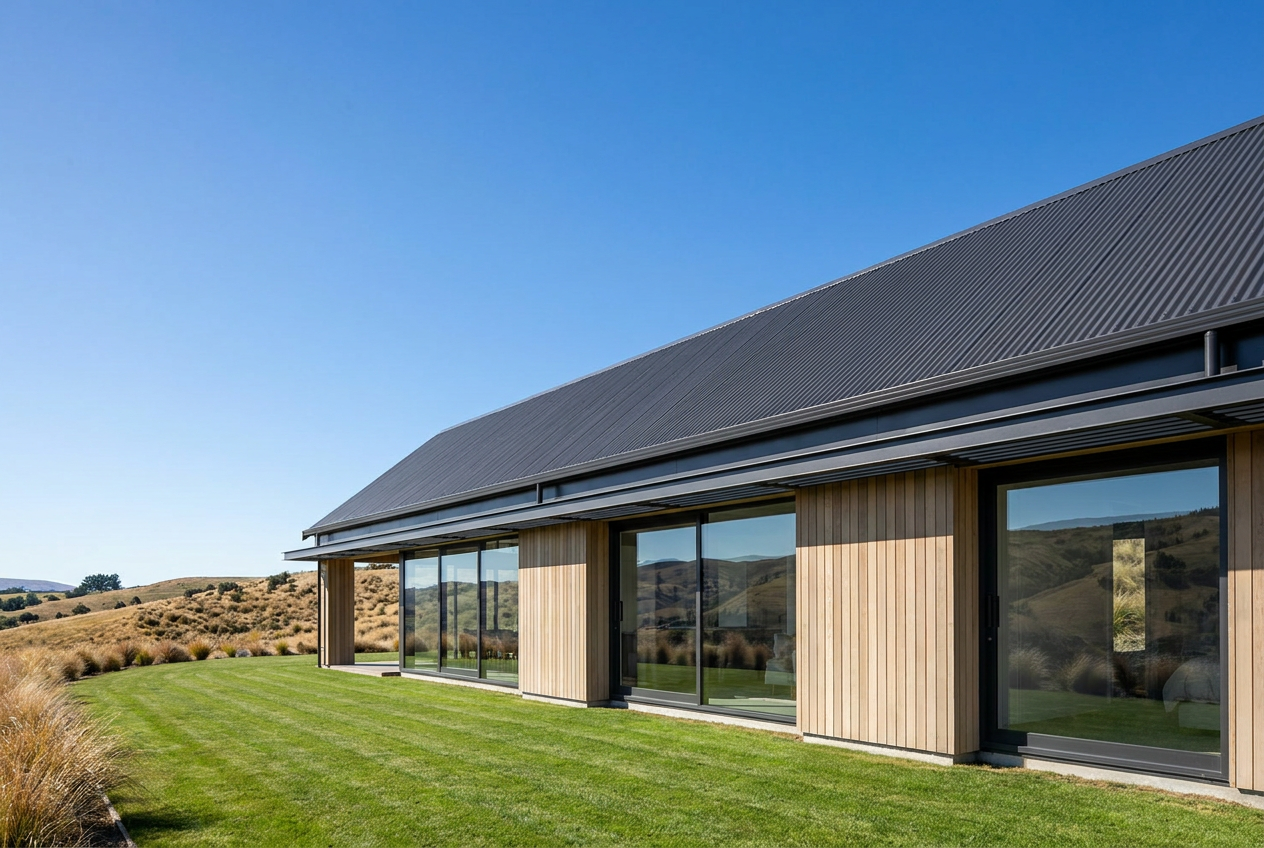
Corrugated iron (steel) roofing is a Kiwi classic — tough, affordable, and found on homes from Northland to Southland. But without the right paint and preparation, it can rust, leak, and deteriorate fast. Choosing the correct product and applying it properly will add years to your roof's life and keep your home watertight.
Understanding Your Roof Material
Most corrugated roofing in New Zealand is Zincalume (zinc-aluminium coated steel) or older galvanised steel. Some homes have Colorsteel, which is a pre-painted Zincalume product. Knowing what you have matters, because each surface needs a different primer and paint system. If you're unsure, check with your roofing supplier or a professional roof painter — you can find qualified local tradespeople at tradedirectory.co.nz.
The Right Paint System: Primer + Topcoat
A quality roof paint job is never just one coat of paint. You need a three-stage system: clean, prime, and topcoat.
1. Primer
- Galvanised or bare Zincalume steel: Use a zinc phosphate primer or a primer specifically formulated for metal roofing. These inhibit rust and give the topcoat something to bond to.
- Previously painted roofs in good condition: A bonding primer or direct-to-metal (DTM) primer is often sufficient.
- Rusty areas: Treat rust with a rust converter first, then prime. Do not paint over active rust — it will continue to spread underneath.
Resene and Dulux both offer dedicated metal roof primer systems suited to NZ conditions. Wattyl also has a well-regarded roof paint range. Always follow the manufacturer's data sheet for your specific primer and topcoat combination.
2. Topcoat Paint
For corrugated iron roofs, look for paints specifically labelled for metal or roof use. Key properties to look for:
- High UV resistance — NZ has some of the highest UV levels in the world, so this is non-negotiable
- Flexibility — metal expands and contracts with temperature changes; a rigid paint will crack
- Water resistance and low sheen — helps shed water and reduces glare
- Rust inhibitors — an added layer of protection
Water-based acrylic roof paints have become the most popular choice for DIYers and professionals alike. They're lower in VOCs, easier to clean up, and have improved dramatically in durability. Oil-based or solvent-based options are still available and can offer excellent adhesion on tricky surfaces, but require more care in application and disposal.
Comparing Common Roof Paint Options
| Paint Type | Best For | Pros | Cons |
|---|---|---|---|
| Water-based acrylic | Most iron roofs | Easy cleanup, low odour, flexible | May need more coats on bare metal |
| Solvent-based enamel | Heavily rusted or bare metal | Excellent adhesion, hard-wearing | Strong fumes, slower drying |
| Elastomeric roof coating | Older roofs with minor cracks | Seals small gaps, very flexible | More expensive, thicker application |
| Bitumen-based paint | Emergency patching only | Cheap, waterproof | Ugly, not UV stable, hard to repaint over |
Surface Preparation: The Most Important Step
No paint will perform well on a dirty or poorly prepared surface. This is where most DIY roof paint jobs fail.
- Safety first — Working at height is serious. Use appropriate scaffolding or a roof ladder. Read WorkSafe NZ's guidance on working at height before you start.
- Clean thoroughly — Wash the roof with a suitable roof wash or diluted bleach solution to remove moss, lichen, and dirt. A water blaster on a low setting works well, but avoid forcing water under the laps.
- Remove loose paint and rust — Wire brush or sand any flaking paint and rust spots back to a sound surface.
- Treat rust — Apply a rust converter to any bare rusted steel and allow it to cure fully.
- Allow to dry completely — Painting over a damp surface is one of the most common causes of paint failure.
BRANZ has useful technical guidance on painting metal roofs and the importance of correct surface preparation.
How Many Coats Do You Need?
As a general rule:
- 1 coat of primer (2 coats on bare or heavily rusted metal)
- 2 coats of topcoat
Always check the product data sheet — some premium roof coatings are designed as a single thick coat. Applying too thin a coat is a common mistake that leads to early failure.
Colour Choice and Heat
Dark colours absorb more heat, which can increase cooling costs in summer — particularly relevant in warmer parts of NZ. Lighter colours reflect more heat. If energy efficiency matters to you, check out advice from Energywise on how roof colour affects home temperatures.
When to Call a Professional
Roof painting involves working at height, which carries real risk of serious injury or death. If your roof is:
- Steep (over 15–20 degrees pitch)
- Two storeys or higher
- In poor structural condition
- Larger than a small shed or garage
…you should seriously consider hiring a professional roof painter. They have the right safety equipment, access gear, and experience to do the job efficiently and safely. A professional will also be able to identify issues like failing flashings, cracked ridgecapping, or rust-through that you might miss. Find a qualified local roof painter on tradedirectory.co.nz.