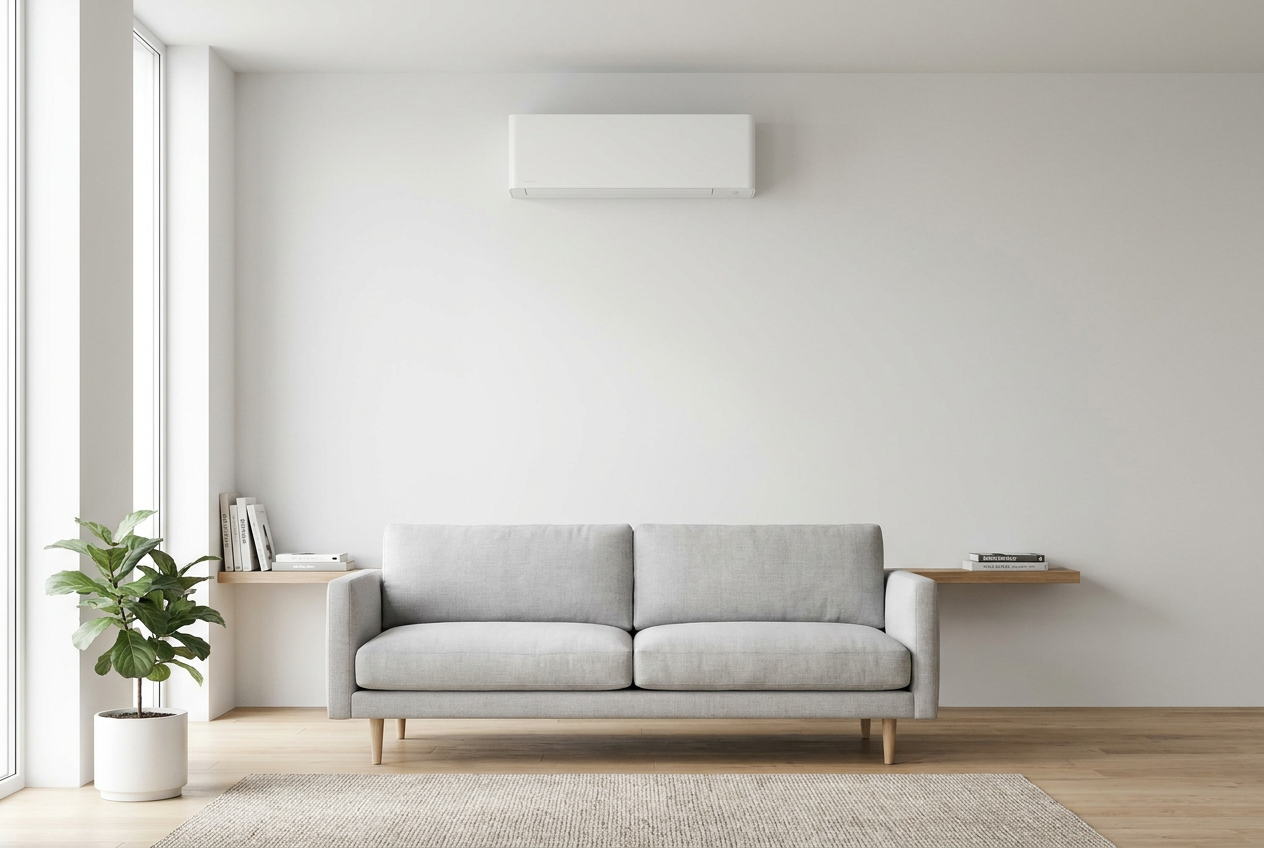
Keeping warm through a New Zealand winter doesn't have to mean sky-high power bills. With the right heating system and a well-insulated home, you can stay comfortable without breaking the bank. Here's a practical guide to the warmest and most cost-effective heating options available to Kiwi homeowners.
Why Heating Choice Matters in NZ
New Zealand's climate varies enormously — from the mild, damp winters of Auckland to the bitterly cold southerlies in Otago and Southland. What works well in Wellington may be underpowered in Queenstown. On top of that, many older NZ homes were built with little insulation, making them expensive to heat regardless of the system you choose. BRANZ research consistently shows that insulation and draught-stopping deliver the biggest bang for buck before you even think about your heat source.
Heat Pumps: The Gold Standard for Most Homes
For the majority of NZ homeowners, a reverse-cycle heat pump (also called an air-source heat pump) is the warmest and cheapest way to heat a home. Here's why:
- High efficiency: Heat pumps move heat rather than generate it, delivering roughly 3–5 units of heat energy for every 1 unit of electricity consumed (expressed as a Coefficient of Performance, or COP).
- Heating and cooling: Most units double as air conditioners in summer.
- Clean and convenient: No firewood to stack, no flue to clean, no emissions inside the home.
- Thermostat control: Set and forget — ideal for busy households.
A correctly sized heat pump from a reputable brand, installed by a qualified professional, will typically outperform every other electric heating option on running costs.
Choosing the Right Size
Sizing is critical. An undersized unit will struggle on cold nights; an oversized one will short-cycle and wear out faster. A good installer will calculate the heat load based on room volume, insulation levels, window area, and your local climate zone. As a rough guide, a living area of around 30–40 m² in a well-insulated home might suit a unit in the 2.5–3.5 kW output range, but always get a proper assessment.
Comparing Common NZ Heating Options
| Heating Type | Warmth | Running Cost | Upfront Cost | Best For |
|---|---|---|---|---|
| Heat pump (air-source) | ★★★★★ | Low | Medium–High | Most homes, main living areas |
| Wood burner / pellet fire | ★★★★★ | Low–Medium | Medium–High | Rural homes, open-plan living |
| Flued gas heater | ★★★★ | Medium | Medium | Areas with reticulated gas |
| Electric panel heater | ★★★ | High | Low | Small rooms, occasional use |
| Portable LPG heater | ★★★ | High | Low | Temporary/emergency only |
| Underfloor heating (electric) | ★★★★ | Medium–High | High | Bathrooms, tiled areas |
Wood Burners and Pellet Fires
A wood burner or pellet fire can be an excellent choice in rural areas or where firewood is affordable and accessible. Modern certified burners are efficient and produce good radiant heat. However, they require council consent in many urban areas (particularly in air-shed zones like Christchurch and Nelson), regular flue maintenance, and a dry firewood supply. Check your local council's rules before installing.
Insulation: The Foundation of Affordable Warmth
No heating system works efficiently in a leaky, uninsulated home. Under the Healthy Homes Standards, rental properties must meet minimum insulation and heating requirements — but owner-occupiers benefit just as much from upgrading. Prioritise:
- Ceiling insulation (the biggest heat-loss area)
- Underfloor insulation (especially important in older homes on piles)
- Draught-stopping around doors, windows, and skirting boards
- Double glazing where budget allows
Energywise has excellent guidance on insulation options and potential government subsidies through the Warmer Kiwi Homes programme.
Smart Tips to Reduce Running Costs
- Set your heat pump to 18–20°C — every degree higher adds meaningfully to your bill.
- Use the timer to pre-heat rooms before you wake up or arrive home.
- Clean the filters every few weeks during heavy use — dirty filters cut efficiency significantly.
- Zone your heating — only heat the rooms you're using.
- Check your electricity plan — some retailers offer lower overnight rates that suit heat pump hot water cylinders.
NZ Building Code and Compliance
Heating installations must comply with the NZ Building Code. Heat pump installation involves electrical work, which is restricted work under the Electricity Act. This means all electrical connections must be carried out by — or supervised by — a registered electrician listed with the Electrical Workers Registration Board (EWRB). Gas appliance installation is similarly restricted to licensed tradespeople registered with the Plumbers, Gasfitters and Drainlayers Board (PGDB).
Safety note: Never attempt to wire a heat pump or connect a gas heater yourself. Unlicensed electrical or gas work is illegal, dangerous, and will void your home insurance.
When to Call a Professional
Always use a qualified heat pump installer for:
- Sizing and selecting the right unit for your space
- All electrical connections and commissioning
- Positioning the indoor and outdoor units correctly (airflow, noise, aesthetics)
- Warranty registration — most manufacturers require professional installation
For wood burners and flued gas heaters, you'll also need a Licensed Building Practitioner (LBP) for any associated building work. You can find experienced, vetted heat pump installers and heating specialists in your area at tradedirectory.co.nz.