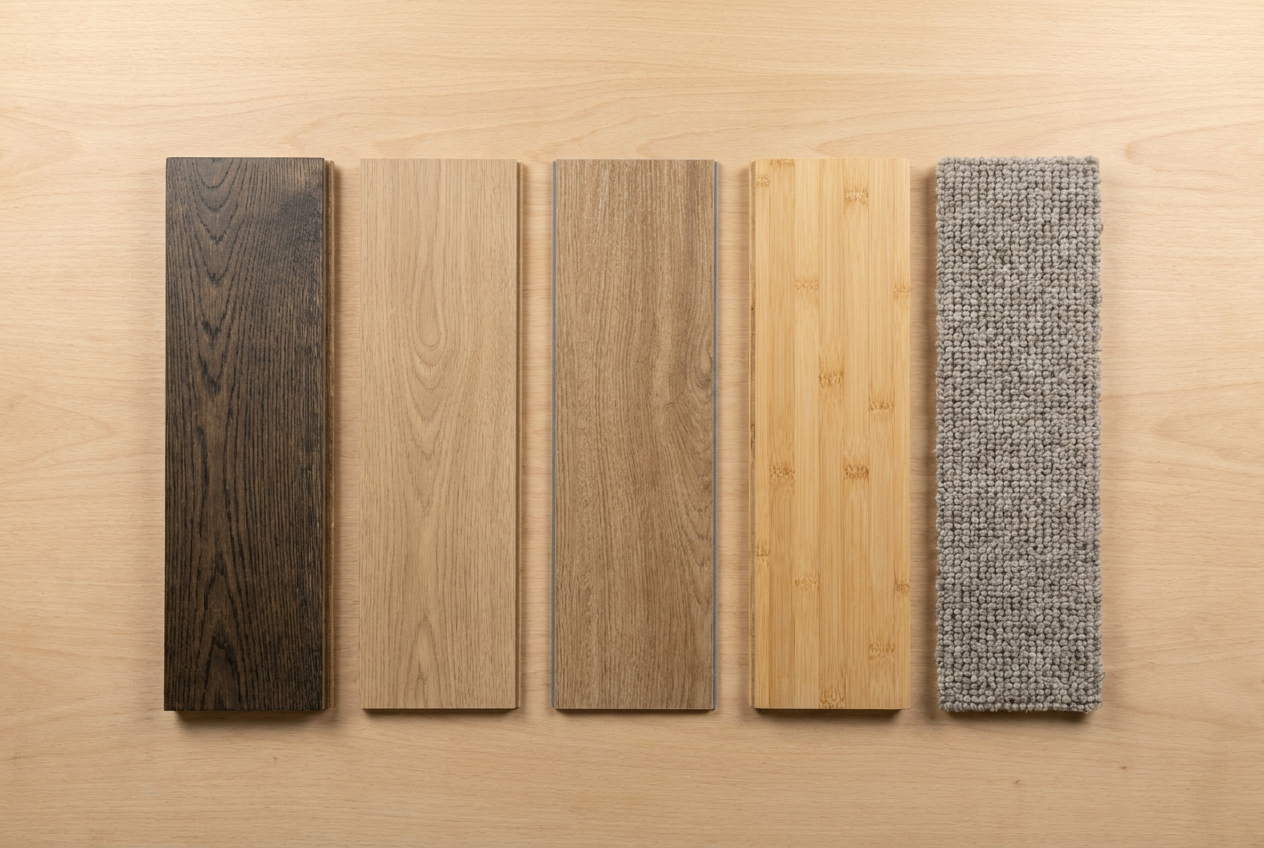
Living in an apartment or a two-storey home means noise travels — footsteps, dropped items, and general movement can all become a real headache for those below. Choosing the right flooring (and underlay) makes a significant difference to how much sound passes between floors. Here's what you need to know to make a smart, NZ-compliant choice.
Why Floor Noise Matters in NZ Buildings
There are two main types of floor noise to understand:
- Impact sound – footsteps, dropped objects, chair scraping. Measured as IIC (Impact Insulation Class) or using the Ln,w rating — lower Ln,w means better impact sound reduction.
- Airborne sound – voices, TV, music travelling through the floor structure. Measured as STC (Sound Transmission Class) or Rw — higher is better.
Under the NZ Building Code, clause G6 covers airborne and impact sound between separate occupancies (e.g., apartments). If you're renovating a multi-unit building, your flooring system must meet minimum performance levels — check with your local council or a Licensed Building Practitioner before starting.
The Quietest Flooring Options Ranked
Here's a general comparison of common flooring types for sound performance:
| Flooring Type | Impact Sound | Airborne Sound | Comfort Underfoot |
|---|---|---|---|
| Carpet & underlay | Excellent | Good | Very comfortable |
| Cork flooring | Very good | Good | Comfortable |
| Luxury Vinyl Plank (LVP) + underlay | Good | Moderate | Comfortable |
| Engineered timber + underlay | Moderate | Moderate | Firm |
| Solid hardwood + underlay | Moderate | Moderate | Firm |
| Ceramic/porcelain tile | Poor (without treatment) | Poor | Hard |
| Polished concrete | Poor (without treatment) | Poor | Hard |
Carpet and Underlay
Carpet remains the gold standard for reducing impact noise. The combination of carpet fibres and a quality foam or rubber underlay absorbs footfall energy before it reaches the subfloor. For apartments, a denser, thicker underlay (look for products rated for acoustic performance) will give you the best result. This is particularly relevant in NZ rental properties, where the Healthy Homes Standards also encourage comfortable, insulated living environments.
Cork Flooring
Cork is a natural, renewable material that has excellent acoustic properties built in. It's soft underfoot, naturally resilient, and dampens impact sound well. It suits upstairs bedrooms and living areas nicely, though it needs sealing in wet-prone areas and can be susceptible to heavy furniture indentation.
Luxury Vinyl Plank (LVP)
LVP has become hugely popular in NZ homes and apartments. A quality LVP with an attached acoustic backing or installed over a dedicated acoustic underlay can perform well for impact sound. Look for products with an IIC rating stated by the manufacturer. LVP is also waterproof, making it practical for NZ's variable climate and open-plan living.
Engineered Timber
Engineered timber looks beautiful and adds warmth, but on its own it transmits impact sound readily. The key is pairing it with a high-density acoustic underlay — rubber or foam composites work well. Floating installation (rather than glue-down) with the right underlay can meaningfully improve performance.
Tiles and Concrete
These hard surfaces are the worst performers for impact noise without additional treatment. If you're set on tiles or polished concrete upstairs, you'll need to invest in an acoustic membrane or decoupling mat beneath the screed or tile adhesive. Products from suppliers like Ardex or Mapei include acoustic underlayment systems designed for tile installations.
The Role of Underlay — Don't Skimp Here
Whatever flooring you choose, underlay is often the single biggest lever for improving acoustic performance. Key things to look for:
- Density and thickness – denser rubber underlays generally outperform thin foam for impact sound
- Acoustic rating – reputable products will state an IIC or delta IIC improvement figure
- Compatibility – check the underlay suits your chosen flooring type and subfloor (timber joists vs concrete slab behave differently)
You can find a range of acoustic underlay options at Bunnings and Mitre 10, or through specialist flooring suppliers.
NZ Building Code and Apartment Requirements
If you're in a multi-unit apartment building, acoustic performance between floors is a Building Code requirement, not just a comfort choice. BRANZ publishes research and guidance on acoustic performance in NZ buildings that is worth reviewing. Your flooring system — including the subfloor, underlay, and floor covering — needs to be considered as a whole assembly. Always check with your body corporate rules as well, as many apartment buildings specify minimum underlay or flooring types.
Subfloor Type Makes a Difference
- Timber joist floors (common in older NZ homes and many apartments) transmit impact sound more readily than concrete. Adding acoustic insulation between joists, combined with a good underlay, helps significantly.
- Concrete slab floors provide better inherent airborne sound blocking but still need acoustic underlay to manage impact noise.
When to Call a Professional
For straightforward carpet or LVP installation in a single-storey home, a competent DIYer can often manage the job. However, you should engage a qualified flooring installer if:
- You're in an apartment or multi-unit building where Building Code acoustic compliance is required
- The subfloor needs significant preparation, levelling, or repair
- You're installing tile or stone with acoustic membranes (these require precise adhesive and membrane application)
- You're unsure whether your planned system will meet body corporate or council requirements
A Licensed Building Practitioner may also be required if the work involves structural elements. You can find experienced local flooring installers on tradedirectory.co.nz to get quotes and advice specific to your situation.
Safety note: When moving heavy flooring materials upstairs, use proper lifting technique and get help — back injuries are common on flooring jobs. If you're cutting materials, wear appropriate dust protection, especially with older floors that may contain hazardous materials.