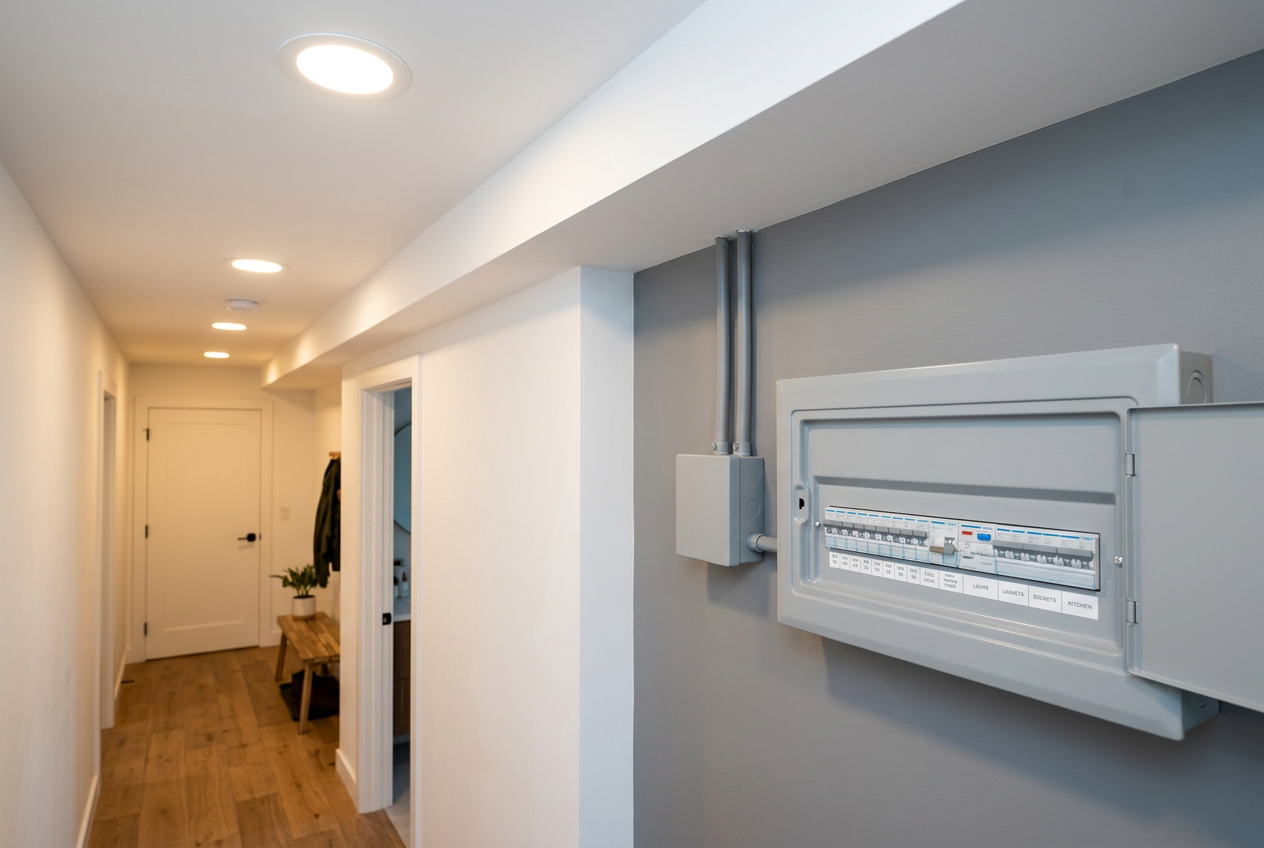
Choosing the right LED bulb isn't just about wattage — the colour temperature of the light can completely change how a room looks and feels. Whether you're renovating, replacing old halogens, or just trying to make your living room feel cosier, understanding warm versus cool LED light will help you make the right call every time.
What Is Colour Temperature?
Colour temperature describes the appearance of light, measured in Kelvin (K). Despite the name, it has nothing to do with how hot the bulb gets — it's purely about the colour of the light emitted. The scale runs from warm, amber-toned light at the lower end, through to crisp, bluish-white light at the higher end.
Here's a quick overview of the main ranges you'll see on LED packaging in NZ:
| Colour Temperature | Label | Appearance |
|---|---|---|
| 2700K – 3000K | Warm White | Soft, amber-yellow glow |
| 3500K – 4000K | Neutral / Natural White | Balanced, clean white |
| 5000K – 6500K | Cool White / Daylight | Bright, bluish-white |
Most LED bulbs sold at Bunnings and Mitre 10 will clearly show the Kelvin rating on the box, often alongside a warm-to-cool gradient bar.
Warm White (2700K–3000K)
Warm white LEDs produce a soft, golden light similar to the old incandescent bulbs most of us grew up with. This tone is flattering, relaxing, and creates a welcoming atmosphere.
Best suited for:
- Living rooms and lounges
- Bedrooms
- Dining areas
- Hallways and entryways
- Bathrooms where you want a spa-like feel
If you're replacing halogens in a kitchen or lounge and want to keep that familiar cosy glow, 2700K is usually the closest match.
Cool White and Daylight (4000K–6500K)
Cool white and daylight LEDs produce a brighter, crisper light that mimics natural daylight. This tone promotes alertness and makes colours appear more vivid and accurate.
Best suited for:
- Kitchens and laundries
- Home offices and study areas
- Garages and workshops
- Bathrooms where task lighting matters (e.g., applying makeup or shaving)
- Commercial spaces
At the higher end (5500K–6500K), the light can feel quite stark in a home setting, so many NZ homeowners find 4000K–5000K a good compromise for task-heavy rooms.
Neutral White — The Middle Ground
Neutral white (around 3500K–4000K) sits between the two extremes and is increasingly popular in open-plan NZ homes where the kitchen, dining, and living areas flow together. It's clean without being harsh, and works well in multi-purpose spaces.
How Colour Temperature Affects Your Home
Mood and wellbeing
Research consistently shows that light colour affects our mood and sleep. Warm light in the evening supports the body's natural wind-down process, while cool, bright light in the morning can help with alertness. Energywise notes that good lighting design is part of creating a healthy, comfortable home.
Paint colours
Colour temperature has a big impact on how your wall colours look. A warm white bulb will make cool-toned greys look greenish or yellow, while a cool white bulb can make warm neutrals look washed out. If you're choosing paint from Resene or Dulux, it's worth checking swatches under the actual bulbs you plan to use.
Healthy Homes and rental properties
If you're a landlord, the Healthy Homes Standards require adequate lighting in certain areas. While the standards don't specify colour temperature, choosing appropriate, energy-efficient LEDs helps meet the spirit of the requirements.
Choosing the Right Colour Temperature — A Practical Guide
- Lounge/bedroom: 2700K–3000K (warm white)
- Kitchen/laundry: 4000K–5000K (neutral to cool white)
- Bathroom: 3000K for ambience, 4000K for task lighting
- Home office: 4000K–5000K (neutral to cool white)
- Garage/workshop: 5000K–6500K (cool white/daylight)
- Open-plan living: 3500K–4000K (neutral white)
If you're unsure, buy a single bulb and live with it for a few days before committing to a full room.
CRI — The Other Number Worth Knowing
Alongside Kelvin, look for the Colour Rendering Index (CRI) on the packaging. CRI measures how accurately a light source reveals the true colours of objects compared to natural sunlight. A CRI of 80+ is acceptable for most home use; 90+ is excellent and worth seeking out for kitchens, bathrooms, and anywhere colour accuracy matters.
When to Call a Professional
Swapping like-for-like LED bulbs in standard light fittings is something most homeowners can safely do themselves — just make sure the power is off at the switch first.
However, electrical work is tightly regulated in New Zealand. Any work involving wiring, installing new light fittings, adding circuits, or modifying switchboards is restricted electrical work and must be carried out by a registered electrician. This is governed by the Electrical Workers Registration Board (EWRB). Doing restricted work yourself is illegal and can void your home insurance.
If you're planning a lighting upgrade, installing downlights, or adding dimmer switches (which need to be matched to your LED bulbs), get a qualified sparky involved. You can find licensed local electricians on tradedirectory.co.nz.
Safety note: Always turn off the circuit at the switchboard — not just the wall switch — before handling any light fitting. If you're ever unsure, stop and call a professional.