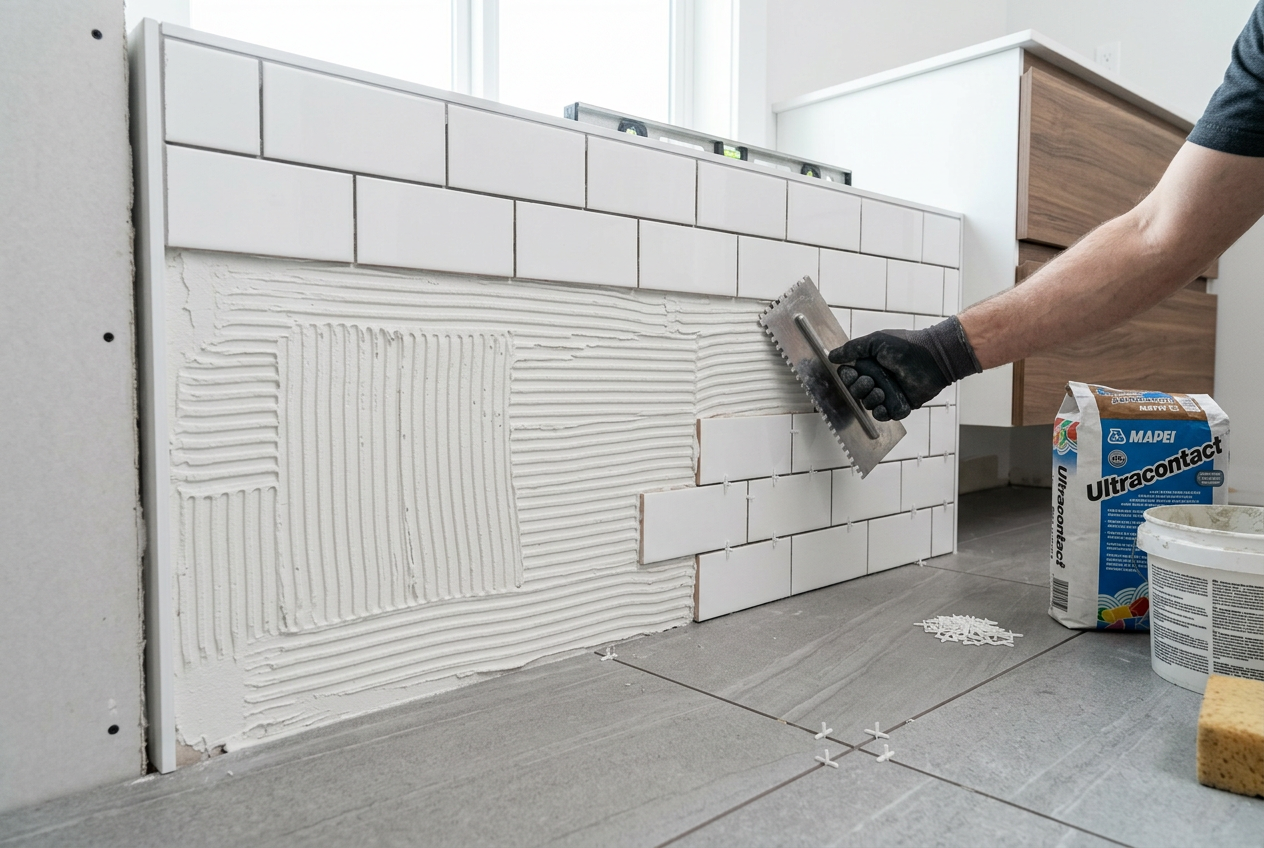
Tiles might all look similar stacked up at the store, but wall tiles and floor tiles are engineered for very different jobs. Using the wrong type in the wrong place is one of the most common — and costly — tiling mistakes NZ homeowners make. Here's what you need to know before you buy.
Why the Difference Matters
Floor tiles must withstand foot traffic, furniture weight, dropped objects, and constant abrasion. Wall tiles only need to stay stuck to a vertical surface and look good doing it. Because of these different demands, manufacturers design each type with different materials, thicknesses, and surface treatments. Getting it wrong can mean cracked tiles, slip hazards, or even a failed building inspection.
Strength and Hardness
Tile hardness is rated using the PEI (Porcelain Enamel Institute) scale, which runs from 0 to 5:
- PEI 0–1: Wall use only — not suitable for any foot traffic
- PEI 2: Light residential foot traffic (e.g., bathrooms with soft footwear)
- PEI 3–4: General residential floors and light commercial
- PEI 5: Heavy commercial and industrial use
Wall tiles are typically PEI 0–1. They're not designed to handle the compressive and impact loads of a floor. If you tile a floor with wall tiles, they're far more likely to crack — especially in high-traffic areas or if something heavy is dropped on them.
Slip Resistance
This is where safety becomes critical. Floor tiles in wet areas — bathrooms, laundries, and kitchens — must meet minimum slip resistance ratings. In New Zealand, the relevant standard is AS/NZS 4586, which classifies tiles using the R-rating system (R9 to R13) for ramp testing, or the P-rating system for wet pendulum testing.
- Wet area floors (bathrooms, shower floors): generally require P4 or higher (wet pendulum)
- External areas and pool surrounds: typically P5
- Dry internal floors: P3 may be acceptable
Wall tiles almost never carry a meaningful slip resistance rating — they don't need one. Putting a smooth, glossy wall tile on a wet shower floor is a genuine slip hazard and may not comply with the NZ Building Code, specifically clause F2 (Hazardous Building Work) relating to slip and fall prevention. Always check the tile's technical data sheet for its slip rating before using it on a floor.
Thickness and Weight
Floor tiles are generally thicker than wall tiles, which gives them greater strength and durability. Wall tiles are made thinner and lighter so they're easier to adhere to vertical surfaces without slumping during installation. Thinner wall tiles are also more prone to cracking underfoot.
| Feature | Wall Tiles | Floor Tiles |
|---|---|---|
| Typical thickness | Thinner (often 6–8 mm) | Thicker (often 9–12 mm+) |
| PEI rating | 0–1 | 2–5 |
| Slip resistance rating | Usually none | P3–P5 depending on use |
| Weight | Lighter | Heavier |
| Surface finish | Often high-gloss | Often matte or textured |
| Can be used on walls? | Yes | Yes (check weight) |
| Can be used on floors? | No | Yes |
Surface Finish and Aesthetics
Wall tiles often feature high-gloss or highly polished finishes that look stunning on a splashback or feature wall. However, that same glossy finish becomes dangerously slippery underfoot when wet. Floor tiles tend to have more matte, textured, or structured surfaces to provide grip. Some large-format porcelain floor tiles can be used on walls, but always check the manufacturer's specifications and consider the additional weight on your substrate.
Wet Area Compliance in NZ
If you're tiling a bathroom, shower, or laundry, you're working in what the NZ Building Code calls a wet area, covered under clause E3. The waterproofing membrane, tile adhesive, and grout system all need to be appropriate for wet area use. BRANZ provides excellent guidance on wet area construction best practice. Products from suppliers like Ardex, Mapei, and Sika offer NZ-compliant waterproofing and adhesive systems — always use the right product for the right surface.
Can You Use Floor Tiles on Walls?
Generally yes — but with some caveats. Large, heavy floor tiles can be difficult to keep in place on walls during installation and may require a stronger adhesive and temporary support while curing. Always check the tile adhesive manufacturer's recommendations. The result can look great, and it's a practical choice if you want a consistent look across a floor and feature wall.
Choosing the Right Tile for Your Project
When shopping at Bunnings, Mitre 10, or a specialist tile supplier, look for:
- The PEI rating on the tile packaging or data sheet
- The slip resistance rating (P-rating or R-rating) for any floor application
- The manufacturer's recommended use — wall, floor, or both
- Wet area suitability if tiling a bathroom or laundry
Don't rely solely on appearance. A tile that looks perfect for your bathroom floor might only be rated for wall use.
When to Call a Professional
Tiling can be a satisfying DIY project for experienced homeowners, but wet area tiling in bathrooms and showers involves waterproofing work that must comply with the NZ Building Code. Poorly waterproofed wet areas are one of the leading causes of serious moisture damage in NZ homes. If you're unsure about substrate preparation, waterproofing membranes, or slip resistance requirements, it's well worth bringing in a qualified tiler. A professional will also know which products and tile types meet current NZ standards.
You can find licensed, experienced local tilers on tradedirectory.co.nz — it's always worth getting a couple of quotes and checking their previous work.