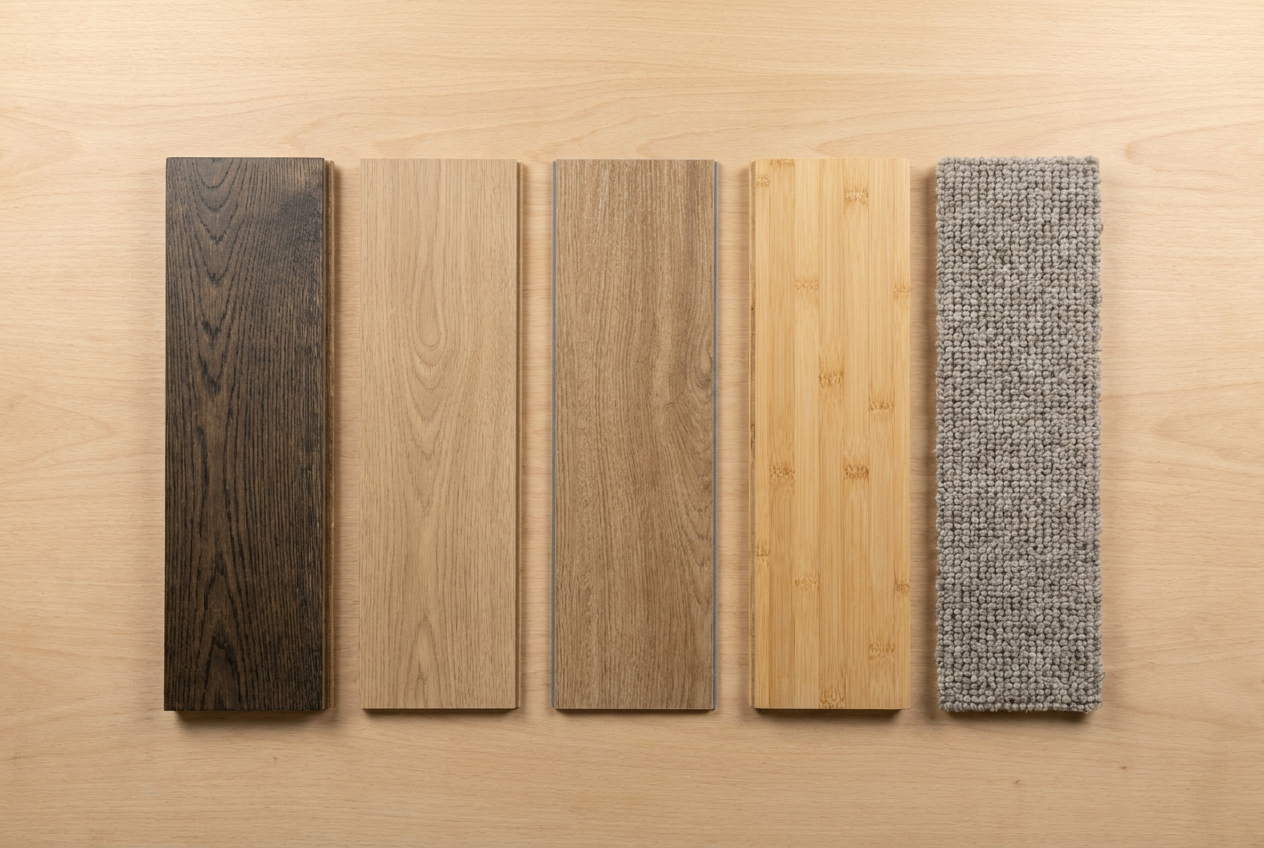
Choosing the right carpet can feel overwhelming when you're faced with a showroom full of options. Two of the most popular choices for NZ homeowners are solution-dyed nylon and wool carpet — and while both look great underfoot, they perform quite differently. Understanding those differences will help you make a decision you'll be happy with for years to come.
What Is Solution-Dyed Nylon?
Solution-dyed nylon (SDN) is a synthetic carpet fibre where the colour is added during the manufacturing process — before the fibre is even formed. Think of it like a carrot: the colour goes all the way through, rather than being applied to the surface afterwards. This makes the colour extremely resistant to fading and bleaching.
Nylon itself is one of the toughest synthetic fibres available, known for its excellent resilience — meaning the pile springs back after being compressed by foot traffic or furniture.
What Is Wool Carpet?
Wool carpet is made from natural sheep's wool, and New Zealand is one of the world's leading producers of high-quality carpet wool. Wool fibres have a natural crimp that gives carpet a soft, luxurious feel and excellent bounce-back. Wool is also naturally breathable and has some inherent moisture-wicking properties, which suits NZ's varied climate well.
Many NZ wool carpets carry the Wools of New Zealand certification, which guarantees the wool meets strict quality and sustainability standards — something worth looking for when shopping.
Key Differences at a Glance
| Feature | Solution-Dyed Nylon | Wool |
|---|---|---|
| Origin | Synthetic (petroleum-based) | Natural (sheep's wool) |
| Colour fastness | Excellent — bleach & fade resistant | Good, but can fade with UV exposure |
| Stain resistance | Very high | Moderate (natural lanolin helps) |
| Durability | Excellent in high-traffic areas | Very good, especially in medium traffic |
| Softness | Good | Excellent — naturally soft |
| Sustainability | Lower (synthetic) | Higher (renewable, biodegradable) |
| Cost (guide only) | Moderate to high | High to premium |
| Moisture sensitivity | Low | Higher — can shrink if overwet |
Durability and Traffic Suitability
For high-traffic areas like hallways, stairs, and living rooms with kids and pets, solution-dyed nylon is hard to beat. Its fibres are extremely resilient and resist crushing and matting over time. It's also highly resistant to abrasion.
Wool performs very well in medium-traffic areas such as bedrooms and formal lounges. It has a natural resilience, but in very heavy-use zones it can show wear sooner than a quality SDN product. A higher wool pile weight (measured in grams per square metre) will improve durability, so always check the specifications.
Stain and Spill Resistance
This is where solution-dyed nylon really shines. Because the colour is locked into the fibre, household bleaches and harsh cleaning agents won't strip the colour — a huge advantage in family homes. SDN carpets are also typically treated with stain-resistant finishes, making spills easy to blot up.
Wool has a natural protective coating called lanolin that provides some inherent stain resistance, and wool fibres don't absorb spills as quickly as untreated synthetics. However, wool is more vulnerable to certain stains (like red wine or pet accidents) and requires gentler cleaning products. Avoid over-wetting wool carpet, as it can shrink or distort — particularly important in NZ's humid regions.
BRANZ has useful guidance on moisture management in NZ homes, which is worth reading if you're installing carpet in areas prone to dampness.
Comfort and Indoor Environment
Wool is widely regarded as the more comfortable and luxurious option underfoot. It's naturally warm, has excellent acoustic properties (reducing noise between rooms), and regulates humidity by absorbing and releasing moisture — a real benefit in NZ homes where indoor air quality matters.
Under the Healthy Homes Standards, rental properties must meet insulation and heating requirements. Wool carpet can contribute to a warmer, better-insulated floor, which is worth considering for landlords.
SDN carpet is also comfortable and, when paired with a quality underlay, provides excellent cushioning and thermal performance.
Sustainability and Environmental Impact
If sustainability is important to you, wool is the clear winner. It's a renewable, biodegradable fibre, and NZ's wool industry has a strong track record of responsible farming. Nylon is petroleum-derived and takes much longer to break down, though some manufacturers are producing recycled-content nylon products.
Cost Considerations
As a broad guide, wool carpet tends to sit at the higher end of the price range, reflecting the cost of the natural fibre and the craftsmanship involved. Quality solution-dyed nylon sits in the moderate-to-high range and often offers excellent value for money given its durability. Both options require a good-quality underlay, which adds to the overall cost but significantly extends carpet life and improves comfort.
Always get a few quotes and ask your flooring installer to show you the fibre specifications — pile weight, density, and twist level all affect performance regardless of fibre type.
Which Should You Choose?
- Choose solution-dyed nylon if you have young children, pets, a busy household, or need carpet for stairs and hallways. It's tough, easy to maintain, and colour-stable.
- Choose wool if you prioritise natural materials, sustainability, luxury underfoot feel, and are installing in a bedroom or lower-traffic living area.
- Consider a wool-blend (often wool combined with nylon) as a middle ground — you get some of the natural benefits of wool with improved durability.
When to Call a Professional
Carpet installation is not restricted work under the NZ Building Code, but it does require skill to get right — especially on stairs, around doorways, and in rooms with complex shapes. Poor installation leads to rippling, lifting edges, and premature wear. A qualified flooring installer will ensure the subfloor is properly prepared, the underlay is correctly fitted, and the carpet is stretched and seamed professionally.
You can find experienced local flooring installers on tradedirectory.co.nz to get quotes and compare options for your project.