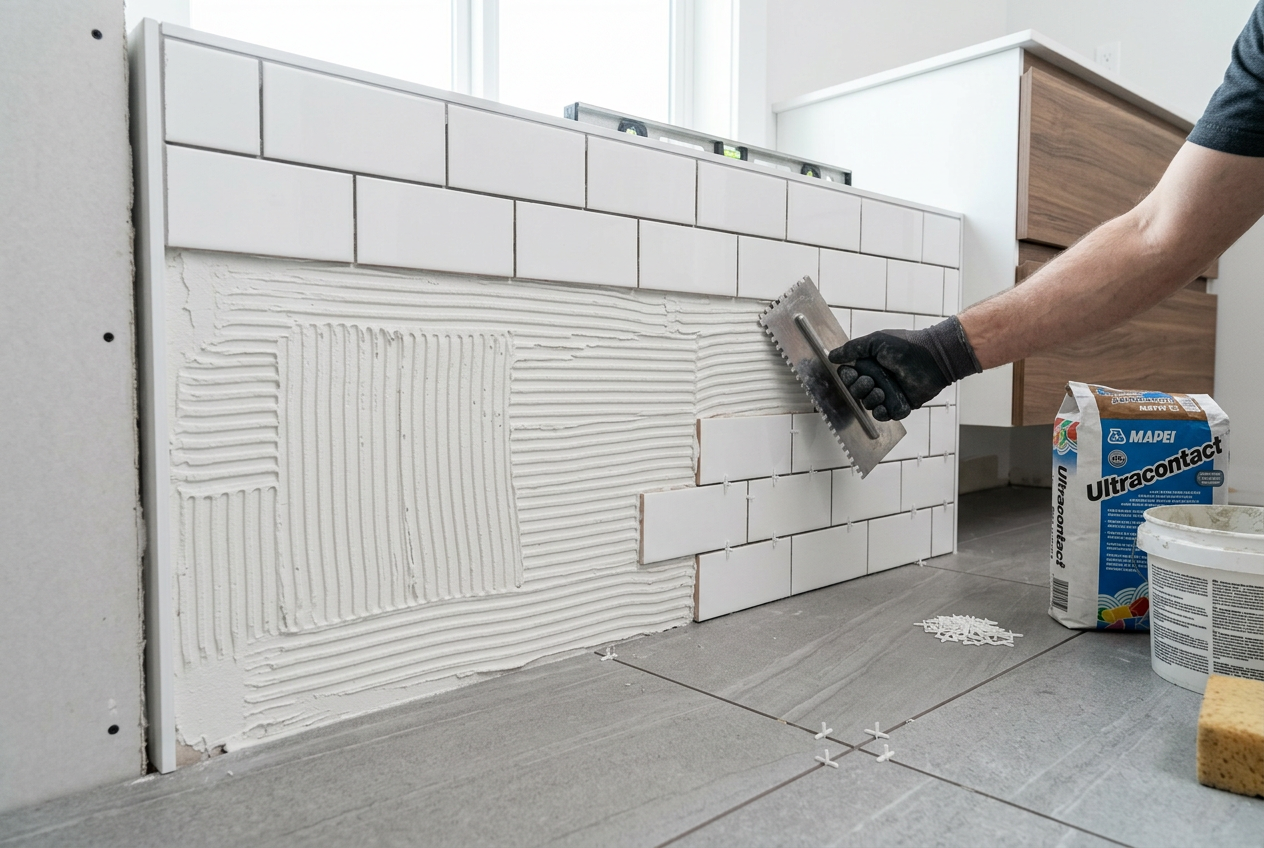
Choosing between porcelain and ceramic tiles can feel overwhelming, especially when they look so similar on the shelf. Understanding what sets them apart will help you pick the right tile for the job — whether you're tiling a bathroom, kitchen, or outdoor area in the New Zealand climate.
How Are They Made?
Both porcelain and ceramic tiles are made from clay fired in a kiln, but the key difference lies in the clay composition and firing temperature.
- Ceramic tiles are made from a coarser, less refined clay mix and fired at lower temperatures. The result is a tile that is slightly more porous and generally lighter in weight.
- Porcelain tiles are made from a finer, denser clay (often including feldspar) and fired at much higher temperatures. This produces a harder, denser tile with very low water absorption.
The industry standard for porcelain classification is a water absorption rate of 0.5% or less, as defined by international standards. Ceramic tiles typically absorb more water than this, which has real implications for where you can use them.
Key Differences at a Glance
| Feature | Ceramic | Porcelain |
|---|---|---|
| Water absorption | Higher | Very low (≤0.5%) |
| Hardness & durability | Moderate | High |
| Weight | Lighter | Heavier |
| Ease of cutting | Easier | More difficult |
| Suitable outdoors? | Generally no | Yes (frost-rated) |
| Cost (as a guide) | Lower | Higher |
| DIY-friendly? | More so | Requires more skill |
Water Resistance and Where to Use Each
In New Zealand, wet area compliance is taken seriously. The MBIE Building Performance guidelines and the NZ Building Code (specifically clause E3 – Internal Moisture) require that wet areas like showers and bathrooms are properly waterproofed and tiled with appropriate materials.
- Ceramic tiles are well suited to low-moisture interior areas such as living rooms, bedrooms, and kitchen splashbacks. They can be used in bathrooms on walls, but require thorough waterproofing membranes beneath them in wet zones.
- Porcelain tiles are the preferred choice for shower floors, bathroom floors, laundries, and outdoor areas due to their very low water absorption. For outdoor use in colder South Island regions, look for tiles rated as frost-resistant.
Durability and Hardness
Tile hardness is rated using the Mohs scale and wear resistance using the PEI (Porcelain Enamel Institute) rating. Porcelain tiles generally achieve higher ratings on both, making them more resistant to scratching and heavy foot traffic.
- For high-traffic areas like hallways, kitchens, and commercial spaces, porcelain is the better long-term investment.
- For wall tiles or low-traffic floors, ceramic is often perfectly adequate and more budget-friendly.
BRANZ research supports using denser, lower-absorption tiles in areas exposed to moisture and movement, particularly in New Zealand's varied climate conditions.
Cost Considerations
As a general guide, ceramic tiles tend to be more affordable than porcelain, both in the tile price itself and in installation costs (since porcelain is harder to cut and handle). However, prices vary widely depending on size, finish, and brand. You'll find a broad range of both tile types at retailers like Bunnings and Mitre 10, as well as specialist tile suppliers.
Don't forget to factor in:
- Adhesive and grout — porcelain often requires a higher-performance adhesive. Products from Ardex or Mapei are widely used by NZ tilers.
- Wastage allowance — typically add 10–15% extra tiles for cuts and breakage, more for complex layouts or large-format tiles.
- Labour — porcelain, especially large-format tiles, takes longer to install.
Appearance and Finish Options
Modern manufacturing means both tile types come in an enormous range of colours, sizes, and finishes — including realistic timber, stone, and concrete looks. One practical difference:
- Ceramic tiles are typically glazed, meaning the colour and pattern sit on the surface. If chipped, the lighter clay body underneath may show.
- Porcelain tiles can be glazed or through-body (full-body). Through-body porcelain has colour running all the way through, so chips are far less noticeable — a real advantage in high-use areas.
Cutting and Installation
Ceramic tiles are easier to cut with a standard tile scorer or wet saw. Porcelain's density means you'll need a quality diamond-blade wet saw and more patience. Large-format porcelain tiles (600mm×600mm and above) in particular require an experienced hand to lay flat without lippage.
For a DIYer with some experience, ceramic wall tiles in a splashback or low-traffic area are a manageable project. Porcelain floor tiles — especially in wet areas — are best left to a qualified tiler to ensure compliance with the Building Code.
When to Call a Professional
While tiling is not legally restricted work in New Zealand, waterproofing in wet areas is a critical step that must meet Building Code requirements. Poorly installed or waterproofed tiles can lead to costly moisture damage and may affect your home insurance. A qualified tiler will:
- Apply the correct waterproofing membrane to comply with NZ Building Code clause E3
- Use the right adhesive and grout for the tile type and location
- Ensure correct falls on shower floors for drainage
- Provide a result that will last
You can find experienced, vetted local tilers on tradedirectory.co.nz to get the job done right the first time.