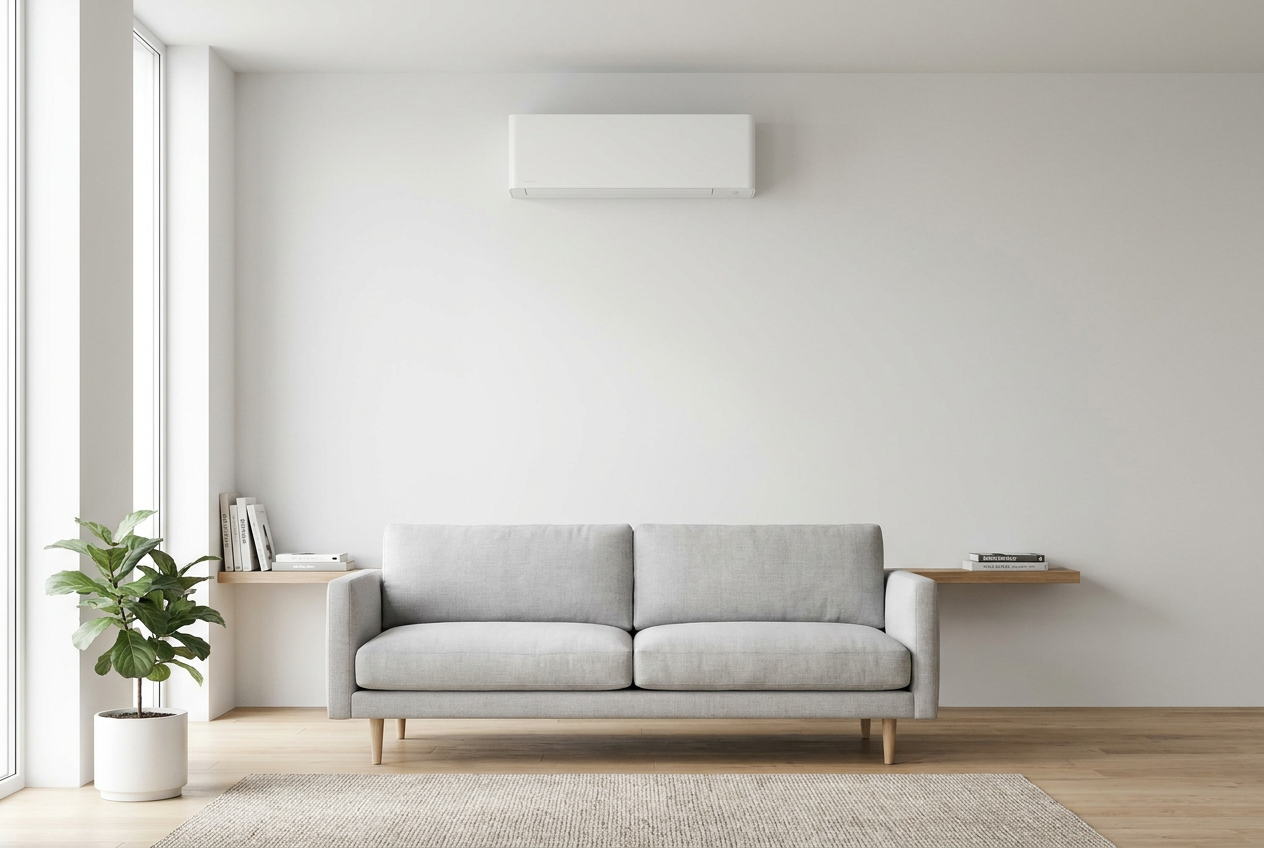
Choosing between a heat pump and a wood burner is one of the most common heating decisions NZ homeowners face. Both can keep your home warm through a chilly southern winter, but they work in very different ways and suit different lifestyles, budgets, and homes. Here's a practical breakdown to help you decide.
How Each System Works
Heat pumps use electricity to move heat from the outside air into your home (or vice versa for cooling). Because they transfer heat rather than generate it, they can deliver significantly more heating energy than the electricity they consume — making them highly efficient. Most modern heat pumps also double as air conditioners in summer.
Wood burners (also called wood fires or log burners) generate heat by burning wood fuel. The combustion heats a firebox, which radiates warmth into the room and, in some models, distributes heat via a wetback system to your hot water cylinder. They rely on a steady supply of dry, well-seasoned firewood.
Efficiency and Running Costs
Heat pumps are generally considered one of the most energy-efficient heating options available. For every unit of electricity used, a quality heat pump can deliver multiple units of heat — a ratio known as the Coefficient of Performance (COP). Energywise has useful guidance on comparing heating efficiency for NZ conditions.
Wood burners can also be efficient, but their real-world performance depends heavily on the moisture content of the wood. Wet or green wood burns poorly, produces more smoke, and delivers far less usable heat. Properly seasoned firewood (typically dried for at least a year) makes a significant difference.
| Feature | Heat Pump | Wood Burner |
|---|---|---|
| Fuel | Electricity | Firewood |
| Also cools in summer? | Yes | No |
| Thermostat control | Yes | No (manual) |
| Upfront cost (approx. guide) | Moderate–High | Moderate–High |
| Ongoing fuel cost | Varies with power prices | Varies with wood supply |
| Air quality impact | Minimal | Can produce particulates |
| Requires consent? | Sometimes | Usually yes |
Air Quality and Environmental Considerations
This is a significant difference in many NZ regions. Wood burners produce particulate emissions, and many councils — particularly in areas like Canterbury, Otago, and Wellington — have air quality rules that restrict the type of wood burner you can install or even whether you can install one at all. Some urban areas have outright bans on new open fires and restrictions on older burner models.
Heat pumps produce no direct emissions at the point of use, making them a better choice in air-sensitive areas. BRANZ research supports heat pumps as a low-emission heating solution well-suited to NZ's housing stock.
Comfort and Convenience
Heat pumps offer set-and-forget convenience — programme them to warm your home before you get up, and maintain a steady temperature throughout the day. They heat up quickly and distribute warmth evenly via a fan.
Wood burners take time to get going and require you to be home to manage the fire. However, many people love the ambience and radiant warmth of a real fire — it's a lifestyle choice as much as a heating one. A wood burner also works during a power cut, which can be reassuring in rural areas prone to outages.
Installation Requirements and Consents
Heat Pump Installation
Installing a heat pump involves electrical and refrigerant work, both of which are restricted trades in New Zealand. The electrical connection must be carried out by a registered electrician (see EWRB), and refrigerant handling requires a person with the appropriate refrigerant handling certification. Always use a qualified, reputable heat pump installer — you can find local professionals on tradedirectory.co.nz.
A building consent is not always required for a standard wall-mounted heat pump, but this depends on your council and the specifics of the installation. Check with your local council before proceeding.
Wood Burner Installation
Installing a wood burner almost always requires a building consent under the NZ Building Code, and the work must be carried out or supervised by a Licensed Building Practitioner (LBP). The installation must meet clearance, flue height, and hearth requirements. Your regional council may also have specific rules about which burner models are approved for your area based on emissions ratings.
Healthy Homes and Rental Properties
If you're a landlord, the Healthy Homes Standards require rental properties to have a fixed heating device capable of heating the main living area to at least 18°C. Heat pumps are a popular choice for meeting this standard. Wood burners may qualify, but only if they meet the required heating capacity — and open fires generally do not qualify at all.
When to Call a Professional
For heat pump installation, always engage a qualified installer — both the electrical work and refrigerant handling are legally restricted. An incorrectly installed heat pump can be unsafe and will void your warranty.
For wood burner installation, you'll need an LBP and likely a building consent. Don't attempt to install a flue or firebox yourself — improper installation is a serious fire risk.
For either system, get at least two or three quotes and check that your tradesperson is properly licensed. Local, vetted installers are easy to find on tradedirectory.co.nz.