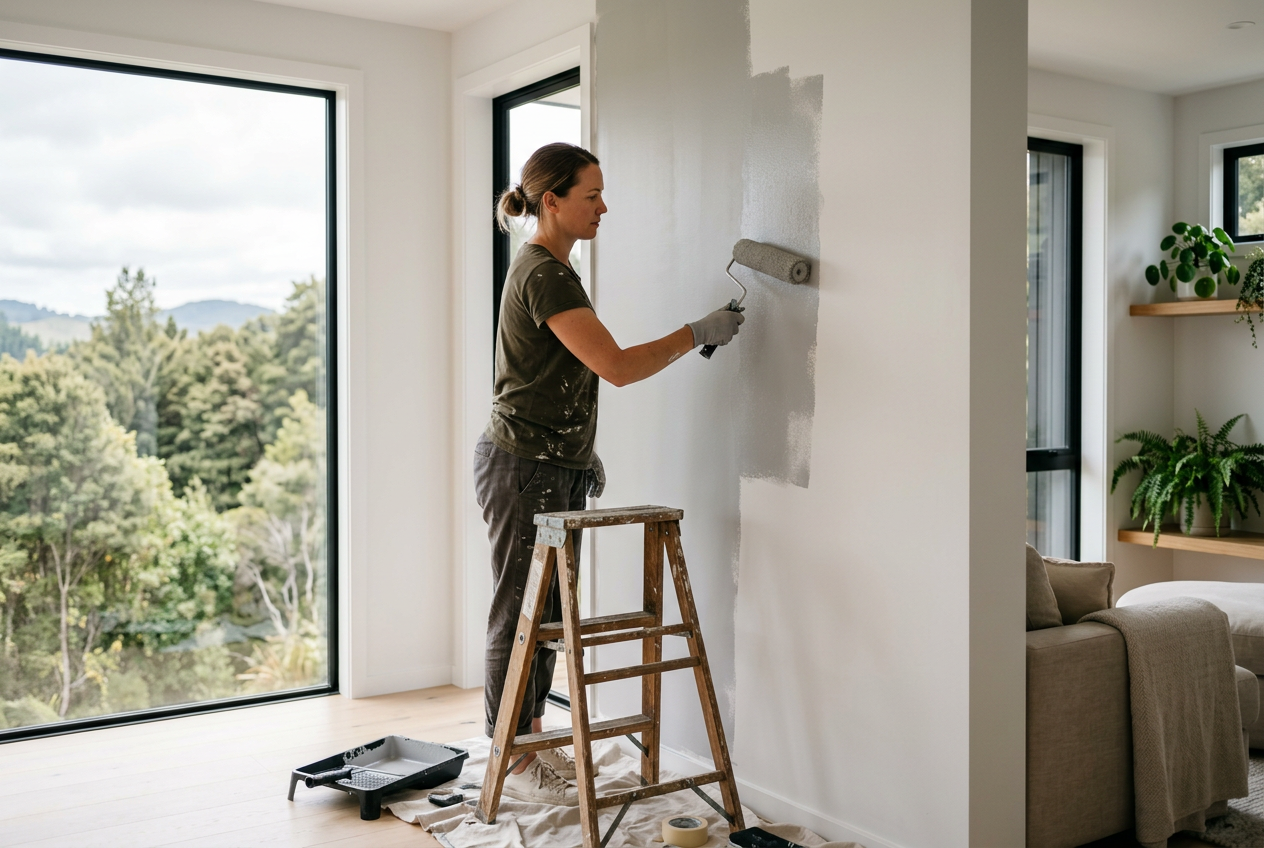
Masking windows before painting is one of those jobs where a little extra preparation saves a lot of frustration later. Done well, it protects your glass and joinery, gives you crisp paint lines, and means you spend less time scraping dried paint off panes. Here's a step-by-step guide to getting it right.
Choose the Right Masking Tape
Not all masking tape is created equal. For window work, you want a tape that seals cleanly against the glass or timber without leaving adhesive residue or lifting when you peel it.
- Standard beige masking tape is fine for quick interior jobs but can leave residue if left on too long — remove it within 24 hours of painting.
- Low-tack painter's tape (often blue or green) is better for delicate surfaces like stained timber or powder-coated aluminium joinery. It's less likely to pull up existing paint or finishes.
- UV-resistant or exterior painter's tape is essential for outdoor work, where tape may be exposed to sun and moisture for longer periods.
You'll find a good range of painter's tapes at Bunnings and Mitre 10. Always check the manufacturer's recommended maximum leave-on time — this is usually printed on the roll.
Clean the Surface First
Before any tape goes on, the glass and joinery must be clean and dry. Dust, grease, or moisture will stop the tape from adhering properly, leading to paint bleed underneath — which defeats the whole purpose.
- Wipe glass with a damp cloth and allow to dry fully.
- Remove any loose paint, dirt, or cobwebs from the window frame.
- If the joinery has a chalky or powdery surface, wipe it down and consider whether it needs a primer before painting.
How to Apply Masking Tape to Windows
This is where most DIYers go wrong — rushing the tape application and ending up with wavy lines or gaps.
Step 1: Cut tape to length
Cut your tape into manageable lengths — around 300–400 mm at a time. Long strips are harder to control and more likely to wrinkle.
Step 2: Position carefully
Place the tape so its inner edge sits exactly on the line where the paint should stop — typically right at the glass-to-putty or glass-to-bead junction. Press the tape down firmly along this edge first, then smooth the rest of the tape outward.
Step 3: Seal the edge
Run your fingernail or a plastic scraper firmly along the inner edge of the tape to ensure a tight seal. This is the most important step — any gap here will let paint bleed under.
Step 4: Use masking film or newspaper for larger panes
For large panes of glass, tape alone isn't practical. Use masking film (pre-taped plastic sheeting) or old newspaper secured with tape around the perimeter. Masking film is faster and tidier, and is available at most paint and hardware stores.
Masking Aluminium Joinery
New Zealand homes — particularly those built from the 1970s onwards — commonly have aluminium window joinery. This needs a bit of extra care:
- Use low-tack tape to avoid damaging any existing powder-coat finish.
- If you're painting the aluminium itself, check with your paint supplier (such as Resene or Dulux) about the correct primer and paint system for metal joinery — not all paints bond well to aluminium without the right preparation.
- Never use standard masking tape on powder-coated surfaces and leave it in the sun — the adhesive can bond permanently.
Painting Up to the Tape
Once masked, load your brush and paint carefully along the tape edge using a cutting-in brush (an angled sash brush works well for window frames). Apply paint in smooth strokes, working away from the tape edge rather than into it. Avoid overloading the brush, which can cause paint to seep under the tape.
For a really sharp line, some professional painters apply a very thin coat of the existing wall or trim colour along the tape edge first — this seals any tiny gaps with a colour that won't show, and then the new colour goes on top cleanly.
Removing the Tape
Timing is everything when pulling tape off:
- Remove tape while the paint is still slightly tacky (not fully wet, not bone dry) for the cleanest edge. Fully dried paint can crack or lift along the tape line.
- Pull the tape back at a 45-degree angle, slowly and steadily.
- If paint has dried hard over the tape edge, score along the tape line lightly with a sharp knife before peeling to avoid tearing the paint film.
Any small bleeds can be cleaned up with a damp cloth (for water-based paints) while still wet, or carefully scraped off glass with a razor blade scraper once dry.
When to Call a Professional
Masking and painting windows is well within the reach of a capable DIYer for standard interior or exterior trim work. However, consider calling a qualified painter if:
- You're working at height on a ladder or scaffolding — WorkSafe NZ has clear guidelines on safe working at height.
- The joinery or glazing is in poor condition and may need repair or replacement before painting.
- You're dealing with heritage joinery, specialty coatings, or a large-scale exterior repaint where surface prep and paint system selection are critical to a lasting result.
A professional painter will have the right tools, tapes, and experience to get a flawless finish efficiently. You can find qualified local painters on tradedirectory.co.nz.