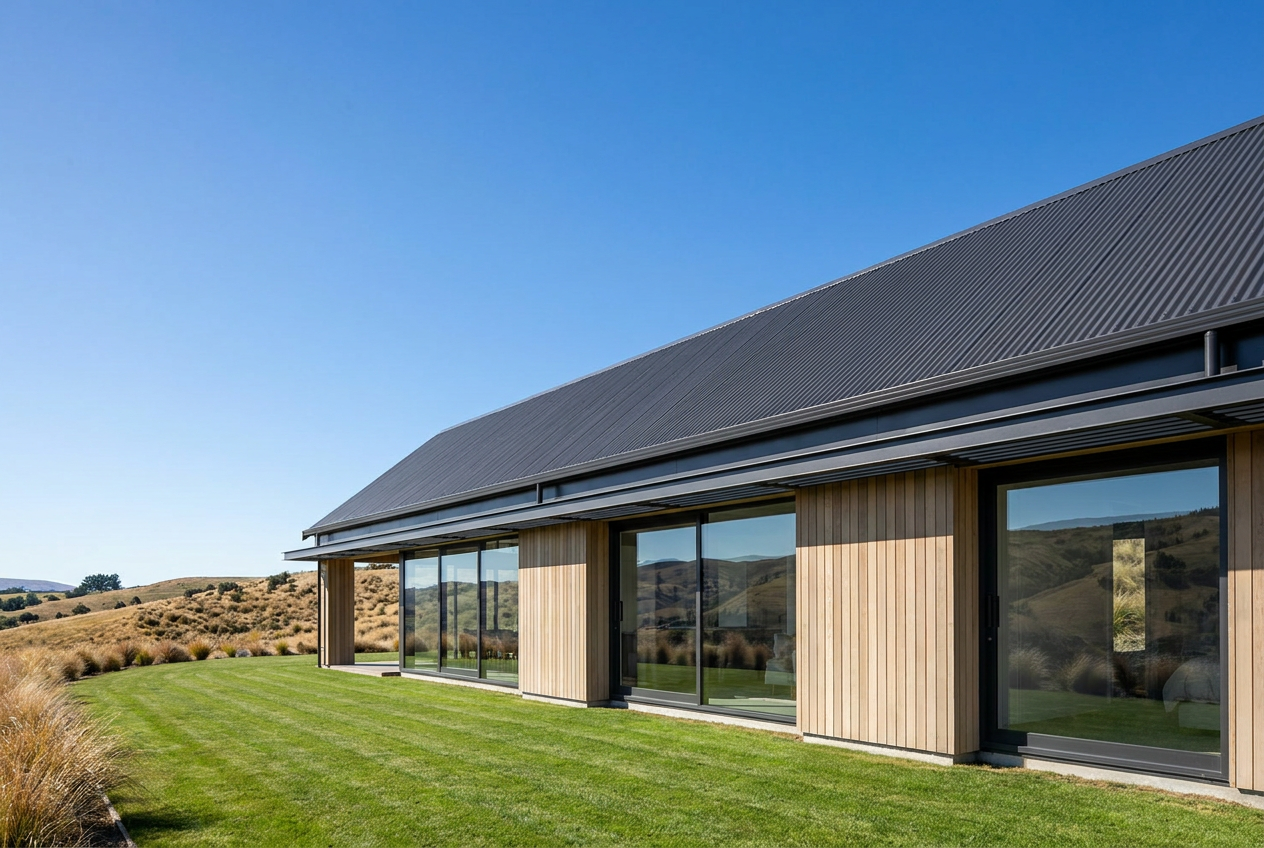
Painting your roof at the right time of year can mean the difference between a coating that lasts a decade and one that peels within a couple of seasons. New Zealand's varied climate — from the humid north to the frosty south — means there's no single universal answer, but there are clear guidelines that apply across most of the country.
The Short Answer: Late Spring to Early Autumn
For most of New Zealand, late spring through to early autumn (roughly October to March) is the ideal window for roof painting. During these months you're most likely to get the combination of warm temperatures, low humidity, and dry weather that paint manufacturers specify for proper adhesion and curing.
That said, the best day matters just as much as the best season. Always check the three-day forecast before you start — or before your painter starts.
Why Weather Conditions Matter So Much
Roof coatings are highly sensitive to the conditions in which they're applied. Here's what to watch for:
- Temperature: Most quality roof paints require surface and air temperatures of at least 10°C, and ideally between 15°C and 25°C. Cold slows curing and can cause the film to fail.
- Humidity: High humidity (above around 85%) prevents moisture from evaporating properly, leading to poor adhesion and a milky or blush finish.
- Dew point: The surface temperature must be at least 3°C above the dew point to avoid condensation forming on the roof as you paint.
- Wind: Moderate airflow helps drying, but strong winds carry dust and debris onto wet paint and can cause uneven application.
- Rain: No rain should be forecast for at least 24–48 hours after application — check the specific product's data sheet for the exact recoat and rain-resistance times.
BRANZ research highlights that surface preparation and application conditions are among the biggest factors affecting the service life of roof coatings.
Regional Differences Across NZ
| Region | Best Months | Watch Out For |
|---|---|---|
| Northland / Auckland | October – April | High humidity, afternoon storms in summer |
| Waikato / Bay of Plenty | October – March | Humidity, occasional summer downpours |
| Wellington | November – February | Strong winds — check forecasts carefully |
| Nelson / Marlborough | October – April | Excellent conditions; UV intensity is high |
| Canterbury / Otago | November – February | Cold snaps possible outside these months |
| Southland / Fiordland | December – February | Short reliable window; high rainfall risk |
In the South Island, the reliable painting window is noticeably shorter. A professional roof painter in Invercargill will plan their season very differently from one in Kerikeri.
Avoid These Conditions
- Winter (June–August): Cold temperatures slow or prevent proper curing. Frost on the roof surface is a serious problem — paint applied over frost will fail almost immediately.
- Rainy periods: Obvious, but worth stating. Even light drizzle can ruin a fresh coat.
- Midday summer heat on metal roofs: Iron or steel roofing can reach surface temperatures well above 60°C on a hot Canterbury or Hawke's Bay afternoon. Most coatings should not be applied to surfaces above 35–40°C. Paint early in the morning on very hot days.
- High pollen or dusty nor'west days: Airborne particles settle into wet paint and compromise the finish.
Choosing the Right Paint for NZ Roofs
NZ roofs cop a lot of UV, salt air (in coastal areas), and temperature cycling. Use a product specifically formulated for roofing:
- Concrete and terracotta tiles: Look for a penetrating sealer followed by a quality acrylic roof membrane.
- Corrugated iron / steel (Colorsteel or similar): Use a primer designed for metal, followed by a purpose-made roof paint. Resene and Dulux both offer roof-specific coating systems with good UV resistance.
- Butynol or membrane roofs: These need specialist coatings — consult the membrane manufacturer.
Always follow the paint manufacturer's technical data sheet for surface preparation, application temperature ranges, and recoat windows. Wattyl also produces roof coating systems suited to NZ conditions.
Preparation Is Just as Important as Timing
Even perfect weather won't save a poorly prepared surface. Before painting:
- Water blast the roof to remove moss, lichen, dirt, and old flaking paint. Allow it to dry fully — this can take 24–48 hours.
- Treat biological growth with a moss and mould killer and allow the recommended dwell time.
- Repair any cracked tiles, loose flashings, or rust spots before coating.
- Prime bare metal or heavily weathered surfaces as directed.
Skipping prep is the number one reason roof paint jobs fail prematurely.
Safety: Working at Height
Roof work is inherently dangerous. Falls from roofs are a leading cause of serious injury and death in New Zealand. WorkSafe NZ requires that anyone working at height has appropriate fall protection in place. For a homeowner doing their own roof, this means:
- Using a properly secured ladder with a standoff bracket
- Wearing non-slip footwear
- Never working alone
- Considering roof anchor points and a harness for anything steeper than a low-pitch roof
Honestly, for most two-storey or steeply pitched roofs, this is a job best left to the professionals.
When to Call a Professional
Hire a qualified roof painter if:
- Your roof is two storeys or higher, or has a steep pitch
- You're unsure about the condition of the substrate (cracked tiles, rusted iron, failing membrane)
- You want a result that will last and potentially add value to your home
- You simply don't have the right equipment for safe working at height
A professional will also know exactly how to read local conditions and schedule the job for the best possible outcome. You can find experienced, local roof painters on tradedirectory.co.nz.