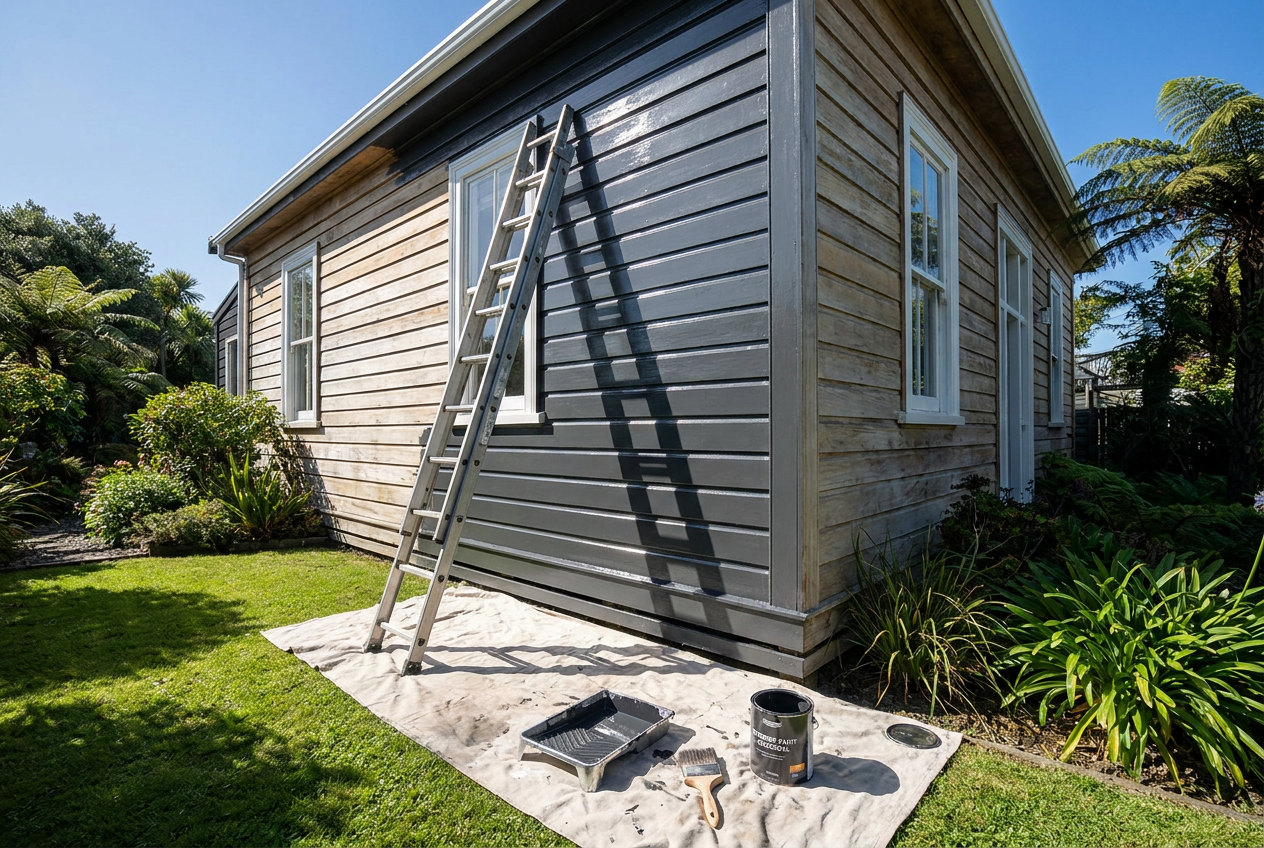
Outdoor timber in New Zealand faces a tough combination of intense UV radiation, high humidity, driving rain, and in coastal areas, salt-laden air. Choosing the right protective finish — and applying it correctly — is the difference between timber that lasts decades and timber that rots, splits, or peels within a few years. Here's what you need to know to make the best choice for your deck, fence, weatherboards, or pergola.
Understanding the Main Types of Outdoor Timber Finish
There are four broad categories of finish suitable for exterior timber in NZ:
- Penetrating oils – Soak into the timber grain, feeding and protecting from within. Great for decks and hardwoods. Require regular reapplication (typically every 1–2 years).
- Timber stains (semi-transparent or solid) – Penetrate or sit on the surface, adding colour while allowing some wood grain to show. Good UV protection and flexibility.
- Exterior paints – Form a film on the surface. Excellent protection and colour range, but require thorough prep and can peel if moisture gets underneath.
- Clear sealers/varnishes – Film-forming clears. Can look stunning initially but tend to crack and peel in NZ's UV conditions; generally not recommended for fully exposed exterior surfaces.
Which Finish Works Best for Each Situation?
| Timber Use | Recommended Finish Type | Why |
|---|---|---|
| Decking (hardwood/treated pine) | Penetrating deck oil or semi-transparent stain | Allows moisture movement, easy to recoat |
| Weatherboards | Exterior acrylic paint or solid stain | Maximum weather protection, long-lasting colour |
| Fences & pergolas | Semi-transparent stain or exterior paint | Good UV resistance, suits rough-sawn timber |
| Exposed beams/posts | Penetrating oil or solid stain | Handles movement and weathering well |
| Fascias & trims | Exterior acrylic paint | Crisp finish, good adhesion |
Top NZ Products Worth Considering
Resene is a go-to for many NZ painters. Their Resene Timber Lock and Resene Woodsman range are specifically formulated for NZ conditions, offering solid stains and semi-transparents with strong UV inhibitors. For decking, Resene Decking Oil is a popular penetrating option.
Dulux offers the Weathershield range, which includes exterior paints and stains designed for NZ's variable climate. Their Dulux Deck & Exterior Oil is well regarded for hardwood decks.
Wattyl produces the Wattyl Solagard exterior paint range and Wattyl Cabot's stains and oils — Cabot's being a long-established brand for timber care.
Always check the product's suitability for your specific timber species and exposure level. Treated pine (H3.2 or H4 for ground contact) and hardwoods like kwila or vitex behave differently and may need different primers or preparation.
Preparation Is Everything
No matter how good the product, a poor prep job will cause premature failure. Follow these steps:
- Clean the surface – Remove dirt, mould, and mildew with a suitable timber cleaner or diluted bleach solution. Rinse thoroughly and allow to dry completely.
- Sand or strip old finish – If the existing finish is peeling or flaking, it must be removed. Sand with the grain to open up the timber surface.
- Check moisture content – Timber should ideally be below around 18% moisture content before coating. Painting over wet timber is one of the most common causes of paint failure in NZ.
- Apply a primer or sealer – For painted finishes, always use a compatible exterior primer. For oils and stains, some products include a base coat or recommend a pre-treatment.
- Apply in suitable conditions – Avoid applying in direct hot sun, high humidity, or when rain is forecast within 24 hours.
BRANZ provides excellent technical guidance on exterior coatings and timber performance, and is worth consulting if you're working on a more complex project.
NZ Climate Considerations
New Zealand's UV index is among the highest in the world — significantly higher than similar latitudes in the Northern Hemisphere. This means UV degradation of coatings happens faster here than overseas product guides might suggest. Always choose products with high UV resistance and be prepared to recoat more frequently than the label might indicate for milder climates.
Coastal properties face additional challenges from salt spray, which accelerates corrosion and coating breakdown. In these areas, opt for products specifically rated for coastal exposure and inspect your timber finish annually.
How Often Should You Recoat?
- Penetrating oils: Every 1–2 years for decks in full sun; up to 3 years in sheltered areas.
- Semi-transparent stains: Every 2–4 years depending on exposure.
- Solid stains and exterior paints: Every 5–10 years, though touch-ups may be needed sooner in harsh conditions.
Don't wait until the finish has completely failed — recoating over a sound existing finish is far easier and cheaper than stripping back to bare timber.
When to Call a Professional
While many homeowners can tackle a fence or small deck, some jobs are best left to a qualified painter:
- Multi-storey or high work — Working at height carries serious risk. WorkSafe NZ has clear guidelines on working safely at height, and professional painters have the right equipment and training.
- Large weatherboard homes — Proper preparation and application on a full house exterior is time-consuming and technically demanding. A poor job can void product warranties and lead to costly repairs.
- Heritage or character timber — Older homes may have lead paint (common in homes built before the 1980s). Disturbing lead paint is a health hazard and requires careful management.
- Timber showing signs of rot or structural damage — This may involve the NZ Building Code and should be assessed by a professional before any coating work begins.
You can find qualified, local painters on tradedirectory.co.nz who know NZ conditions and products inside out.