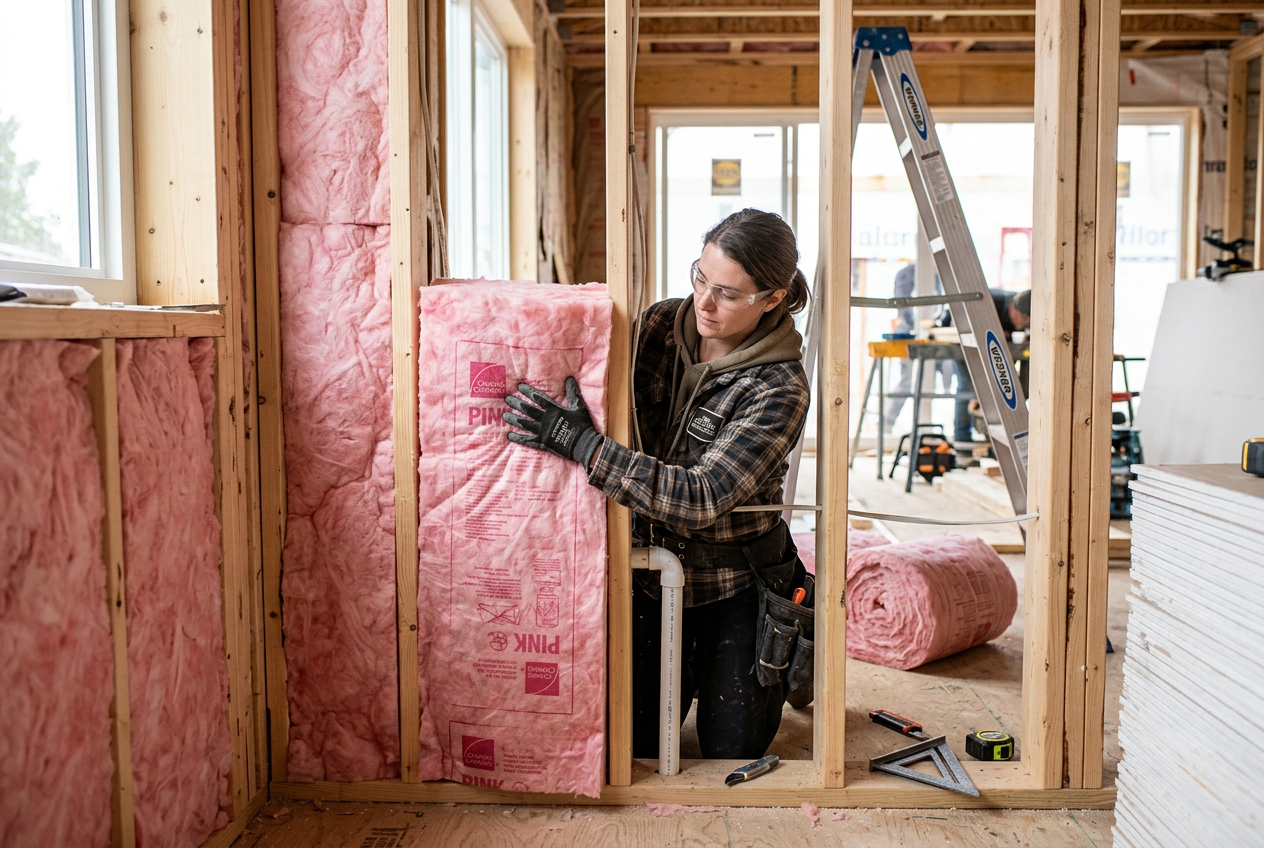
Ceiling insulation is one of the most cost-effective upgrades you can make to a New Zealand home. A well-insulated ceiling keeps warmth in during winter and heat out in summer — and it's often the single biggest factor in how comfortable and energy-efficient your home feels. With several insulation types on the market and NZ-specific regulations to consider, here's everything you need to know before you buy.
Why Ceiling Insulation Matters in NZ
New Zealand's climate varies enormously — from the cold, frosty winters of Otago and Canterbury to the humid, mild conditions of Northland. Regardless of where you live, heat rises, and an uninsulated ceiling can account for a significant portion of your home's heat loss. Energywise estimates that ceiling insulation is one of the highest-impact improvements for reducing energy use in NZ homes.
For rental properties, ceiling insulation is also a legal requirement under the Healthy Homes Standards, which set minimum R-values depending on your climate zone. Owner-occupiers upgrading or building must also meet the NZ Building Code requirements for thermal performance.
Understanding R-Values
The R-value measures thermal resistance — the higher the number, the better the insulation performs. The NZ Building Code and Healthy Homes Standards specify minimum R-values by climate zone:
| Climate Zone | Healthy Homes Min. R-value (Ceiling) |
|---|---|
| Zone 1 (Northland, Auckland) | R 2.9 |
| Zone 2 (Waikato, Bay of Plenty, Wellington) | R 2.9 |
| Zone 3 (Nelson, Marlborough, Canterbury coast) | R 2.9 |
| Zone 4 (Central Plateau, Otago, Southland) | R 3.3 |
Note: Always confirm current minimums with MBIE Building Performance or your local council, as requirements can be updated.
For new builds or major renovations, higher R-values are generally required under NZ Building Code clause H1 (Energy Efficiency). Going above the minimum is almost always worthwhile — R 4.0 or higher is a common recommendation for colder regions.
Main Types of Ceiling Insulation
Glasswool Batts
Glasswool (fibreglass) batts are the most widely used ceiling insulation in NZ. They're available from most hardware stores and are cost-effective, fire-resistant, and non-combustible. Brands like Pink Batts (available at Bunnings) and Knauf are household names. Glasswool is DIY-friendly for accessible ceiling spaces, though you'll need to wear protective gear — gloves, a dust mask (P2 rated), safety glasses, and long sleeves — as the fibres can irritate skin and lungs.
Polyester Batts
Polyester insulation is made from recycled plastic bottles and is a popular choice for those who prefer a non-irritating product. It's softer to handle than glasswool, making it easier to install without heavy PPE. It performs similarly to glasswool at equivalent R-values and is available at Mitre 10 and PlaceMakers. It tends to cost a little more than glasswool.
Blown Insulation
Blown-in insulation (typically glasswool or polyester fibre) is pumped into the ceiling space using specialist equipment. It's ideal for:
- Homes with limited ceiling access
- Topping up existing insulation
- Irregular joist spacings or obstructions
Blown insulation generally requires professional installation, but it can achieve excellent coverage and is often used in retrofit situations. BRANZ research supports blown insulation as an effective option for hard-to-reach ceiling spaces.
Rigid Foam Boards
Polystyrene or polyisocyanurate rigid boards are sometimes used in specific applications (e.g., flat roofs or cathedral ceilings), but they're less common for standard pitched-roof ceiling spaces in NZ homes.
Comparing Your Options
| Type | DIY Friendly | Irritant | Typical R-value Range | Relative Cost |
|---|---|---|---|---|
| Glasswool Batts | Yes (with PPE) | Yes | R 2.2 – R 6.0+ | $ |
| Polyester Batts | Yes | No | R 2.2 – R 5.0+ | $$ |
| Blown Glasswool/Polyester | Generally no | Moderate | Variable | $$ |
| Rigid Foam Board | Moderate | No | Variable | $$$ |
Costs are relative guides only and will vary by product, supplier, and region.
DIY vs Professional Installation
Installing ceiling insulation batts is one of the more accessible DIY jobs for homeowners — provided your ceiling space is safely accessible, well-lit, and free of hazards. Key tips:
- Never compress batts — squashing them reduces their R-value significantly.
- Ensure batts butt tightly together with no gaps.
- Keep insulation clear of recessed lighting fixtures (downlights) unless they are rated IC (insulation contact) — fire risk applies here.
- Do not cover or block eave ventilation.
- Wear a P2 respirator, safety glasses, gloves, and cover all skin when working with glasswool.
For homes with limited access, older homes with existing insulation to top up, or where downlights and wiring create complexity, professional installation is strongly recommended.
When to Call a Professional
Always hire a qualified insulation installer if:
- Your ceiling space is difficult or unsafe to access
- You have recessed downlights — a licensed electrician may need to assess or upgrade these before insulation is installed (this is restricted electrical work under the Electrical Workers Registration Board)
- You're unsure about existing wiring condition in the ceiling
- You want blown insulation installed
- You're completing work for a rental property and need to meet Healthy Homes compliance documentation
A qualified insulation installer will assess your home, recommend the right product and R-value for your climate zone, and provide a certificate of installation. You can find experienced local insulation installers on tradedirectory.co.nz.