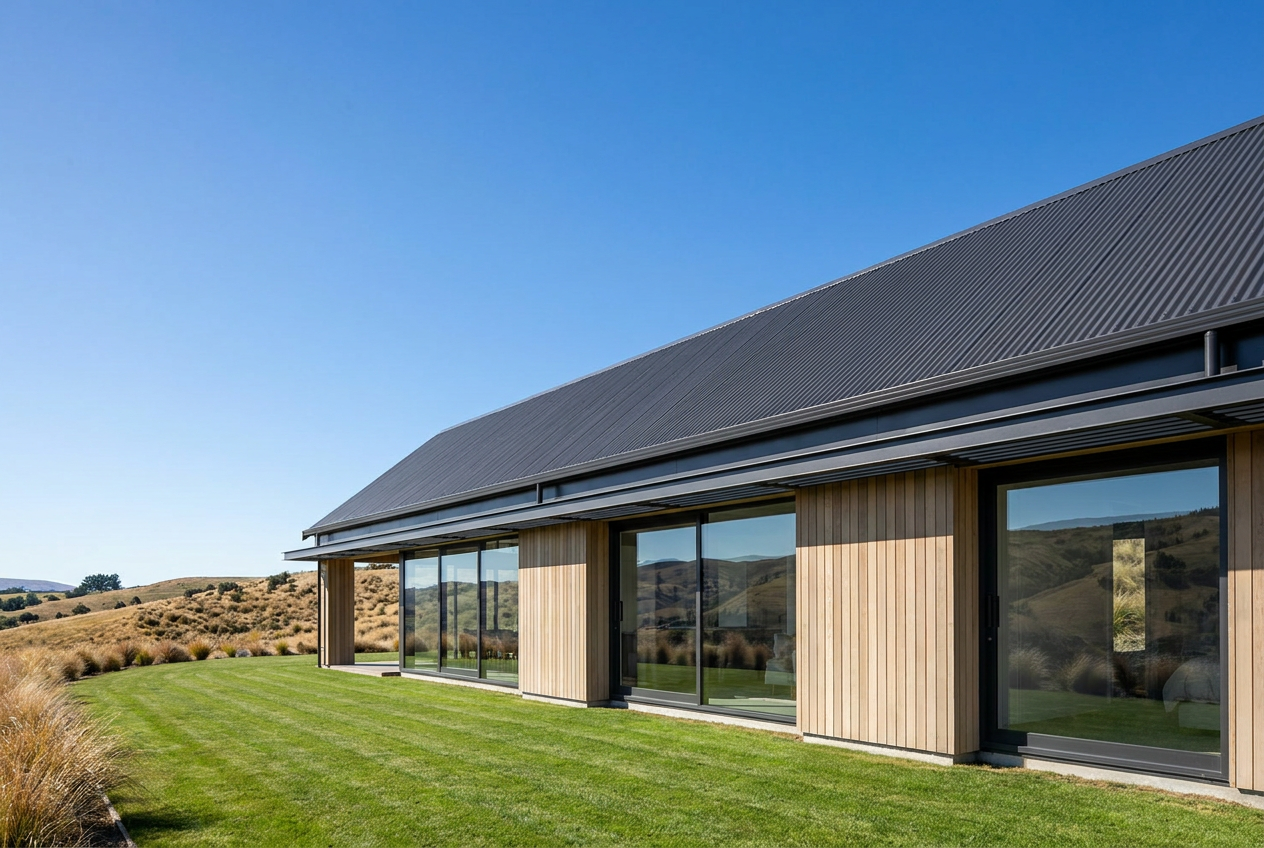
Your roof takes a hammering from the New Zealand climate — UV radiation, driving rain, coastal salt air, and everything in between. Roof restoration is a cost-effective way to extend the life of an ageing but structurally sound roof, and it can make a real difference to your home's appearance and weathertightness. But it's not always the right answer, so here's what you need to know before you commit.
What Does Roof Restoration Actually Involve?
Roof restoration is a multi-step process that cleans, repairs, and recoats your existing roof rather than replacing it. It typically covers:
- High-pressure washing to remove moss, lichen, dirt, and old flaking paint
- Repairs to cracked or broken tiles, rusted iron, loose ridge capping, and deteriorated flashings
- Priming bare or porous surfaces so the topcoat bonds properly
- Application of a specialist roof paint or membrane coating in one or more coats
The exact process varies depending on your roof type — concrete tiles, terracotta tiles, corrugated iron (Colorsteel or similar), or pressed metal all have different requirements and compatible products.
What Types of Roofs Can Be Restored?
| Roof Type | Restorable? | Notes |
|---|---|---|
| Concrete tiles | Yes | Very common in NZ; responds well to restoration |
| Terracotta tiles | Yes | Check for cracked or broken tiles first |
| Corrugated iron / Colorsteel | Yes | Surface prep and rust treatment are critical |
| Pressed metal tiles | Yes | Often need specialist coatings |
| Asphalt shingles | Sometimes | Less common in NZ; assess condition carefully |
| Membrane (flat roofs) | Sometimes | May need re-membrane rather than paint |
If your roof structure is sound but the surface is weathered, faded, or mossy, restoration is likely a viable option.
How Long Does a Restored Roof Last?
A professionally restored roof can last anywhere from 10 to 15 years or more before it needs attention again, depending on the quality of products used, the standard of preparation, and your local climate. Coastal and high-rainfall areas (think Westland or the Coromandel) will generally see faster weathering than sheltered inland locations.
Quality roof coatings from reputable NZ suppliers are formulated to handle our harsh UV and wet conditions. Resene offers a range of roof paints designed for NZ conditions, and your roof painter may also use specialist systems from Wattyl or similar suppliers.
Is Roof Restoration Worth the Cost?
As a guide, roof restoration typically costs significantly less than a full roof replacement — often a fraction of the price. While costs vary widely depending on roof size, pitch, condition, and region, restoration is generally considered good value when:
- Your roof is structurally sound with no major sarking or batten damage
- The surface is weathered or faded but not beyond repair
- You want to improve your home's kerb appeal before selling
- You're looking to improve weathertightness without a full rebuild
If your roof has significant structural damage, widespread rust-through on iron, or large numbers of broken tiles, a full replacement may be more cost-effective in the long run. A reputable roof painter will give you an honest assessment.
BRANZ (the Building Research Association of NZ) provides useful guidance on roof maintenance and weathertightness that's worth reading before making your decision.
What About Moss and Lichen?
Moss and lichen are extremely common on NZ roofs, especially in wetter regions. Left untreated, they hold moisture against the surface and accelerate deterioration. Proper treatment is essential — simply painting over moss without killing and removing it first will cause the new coating to fail prematurely.
A good restoration job includes a biocide treatment, thorough washing, and time for the roof to dry fully before any coating is applied. Don't be tempted by cheap quotes that skip these steps.
DIY vs. Hiring a Professional
While a homeowner can legally paint their own roof in New Zealand, it's a job that carries real risks:
- Working at height is one of the leading causes of serious injury in NZ. WorkSafe NZ has strict guidelines around fall prevention, and a domestic roof is no exception.
- Proper surface preparation requires commercial-grade equipment and experience.
- Incorrect product selection or application can void manufacturer warranties and lead to early coating failure.
For most homeowners, hiring a qualified roof painter is the safer and more cost-effective choice. A professional will have the right scaffolding or harness systems, commercial washers, and product knowledge to get a lasting result.
When to Call a Professional
Always engage a professional roof painter if:
- Your roof pitch is steep or your home is multi-storey
- You're unsure whether restoration or replacement is the right call
- There are signs of leaks, damaged flashings, or structural issues (these may also require a licensed building practitioner — check LBP for details)
- You want the work to be covered by a workmanship guarantee
Note that any electrical work near the roofline (such as moving cables or working near solar panels) must be carried out by a registered electrician under the Electrical Workers Registration Board — this is restricted work and cannot legally be done by a homeowner or painter.
You can find qualified, local roof painters on tradedirectory.co.nz — look for someone with solid reviews and experience with your specific roof type.