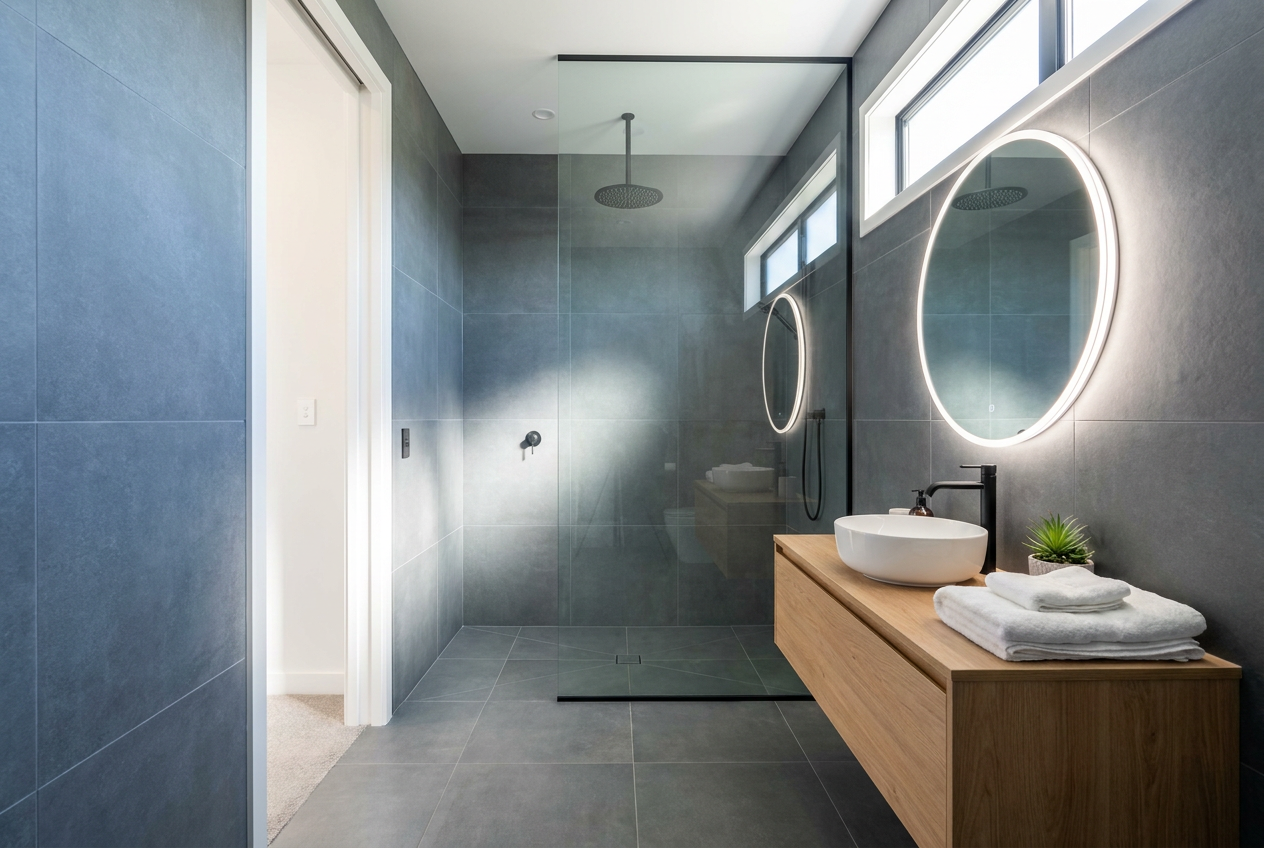
Water is one of the biggest enemies of a home's structure, and nowhere is that more true than in the shower. A shower liner or membrane is a continuous waterproof barrier installed behind tiles, on shower floors, and around wet area walls to stop water penetrating into the framing, subfloor, and beyond. Understanding what these products are — and why they matter — can save you from costly repairs down the track.
What Is a Shower Liner or Membrane?
In simple terms, a waterproofing membrane is a flexible or rigid layer applied to surfaces in wet areas before tiling or lining. It creates a watertight seal so that any water that gets past the tiles or grout is caught and directed to the drain rather than soaking into the building structure.
The terms shower liner and shower membrane are often used interchangeably, but there is a subtle difference:
- Shower liner typically refers to a pre-formed or sheet-based product — often PVC or similar plastic sheeting — that is laid into a shower floor or tray area.
- Shower membrane more broadly covers liquid-applied coatings, sheet membranes, and fabric-reinforced systems applied to walls and floors.
Both serve the same fundamental purpose: keeping water where it belongs.
Why Waterproofing Matters in NZ
New Zealand's MBIE Building Performance sets out requirements for wet areas under Clause E3 (Internal Moisture) of the NZ Building Code. This clause requires that showers, bathrooms, and other wet areas are constructed so that moisture cannot damage the building structure or create unhealthy conditions.
Without a proper membrane, water can:
- Rot timber framing and flooring
- Cause mould and mildew, creating health risks
- Delaminate wall linings such as GIB plasterboard
- Lead to expensive structural repairs
BRANZ research consistently shows that shower leaks are among the most common causes of moisture damage in NZ homes, particularly in houses built before modern waterproofing standards were well established.
Types of Shower Membranes
There are several types of waterproofing systems used in NZ showers:
| Type | Description | Common Use |
|---|---|---|
| Liquid-applied membrane | Painted or rolled on in multiple coats; cures to a flexible film | Walls and floors, complex shapes |
| Sheet membrane | Pre-formed sheets bonded to substrate | Large flat floor areas |
| Fabric-reinforced membrane | Liquid membrane with embedded fabric for strength | Corners, joints, high-movement areas |
| PVC liner/tray | Pre-formed plastic liner set into the floor | Shower trays and recessed floors |
| Tile-over shower tray | Prefabricated base with built-in waterproofing | Renovation and new builds |
Well-known products available in NZ include systems from Ardex, Mapei, and Sika, all of which offer liquid membranes and associated primers and sealants suited to NZ conditions.
Where Does a Membrane Go?
Proper waterproofing is not just about the shower floor. A compliant installation typically covers:
- The entire shower floor, including under the drain
- Walls inside the shower to a minimum height (check current E3 requirements for specifics)
- All internal corners and junctions, which are the most vulnerable points
- Around penetrations such as the drain outlet and any pipe entries
Corners and junctions are reinforced with bond breaker tape or fabric mesh embedded in the membrane to allow for slight movement without cracking.
How Is a Membrane Applied?
For a liquid-applied membrane, the general process is:
- Prepare the substrate — surfaces must be clean, dry, sound, and primed
- Apply bond breaker tape to all internal corners and around the drain
- Apply the first coat of membrane by brush or roller
- Allow to cure fully before the next coat (timing varies by product and temperature)
- Apply subsequent coats to achieve the required dry film thickness
- Flood test the completed membrane before tiling
The flood test — filling the shower floor with water and checking for leaks after a set period — is an important quality check and may be required for compliance purposes.
DIY vs. Professional Waterproofing
Waterproofing a shower is not restricted work in the same way that electrical or plumbing is, so a competent homeowner can legally apply a membrane. However, the consequences of getting it wrong are significant — a failed membrane can cause thousands of dollars in damage, and insurance may not cover poor workmanship.
Things a homeowner can reasonably do:
- Apply a liquid membrane in a straightforward shower recess following manufacturer instructions
- Install a prefabricated shower tray
Things best left to a professional:
- Complex shower designs with multiple angles or large areas
- Repairs to existing failed waterproofing (the source of failure must be correctly diagnosed)
- Any work where a building consent may be required
When to Call a Professional
You should engage a qualified waterproofer or tiler with waterproofing experience if:
- Your shower is leaking and you are unsure of the cause
- You are retiling and the existing membrane is unknown or damaged
- The project involves significant structural changes (which may require a Licensed Building Practitioner)
- You want the peace of mind of a workmanship warranty
Note that plumbing connections to the drain are restricted work under the Plumbers, Gasfitters and Drainlayers Act and must be carried out by a licensed tradesperson registered with the PGDB. Always use a licensed plumber for drain connections.
You can find qualified local waterproofers and tilers on tradedirectory.co.nz.