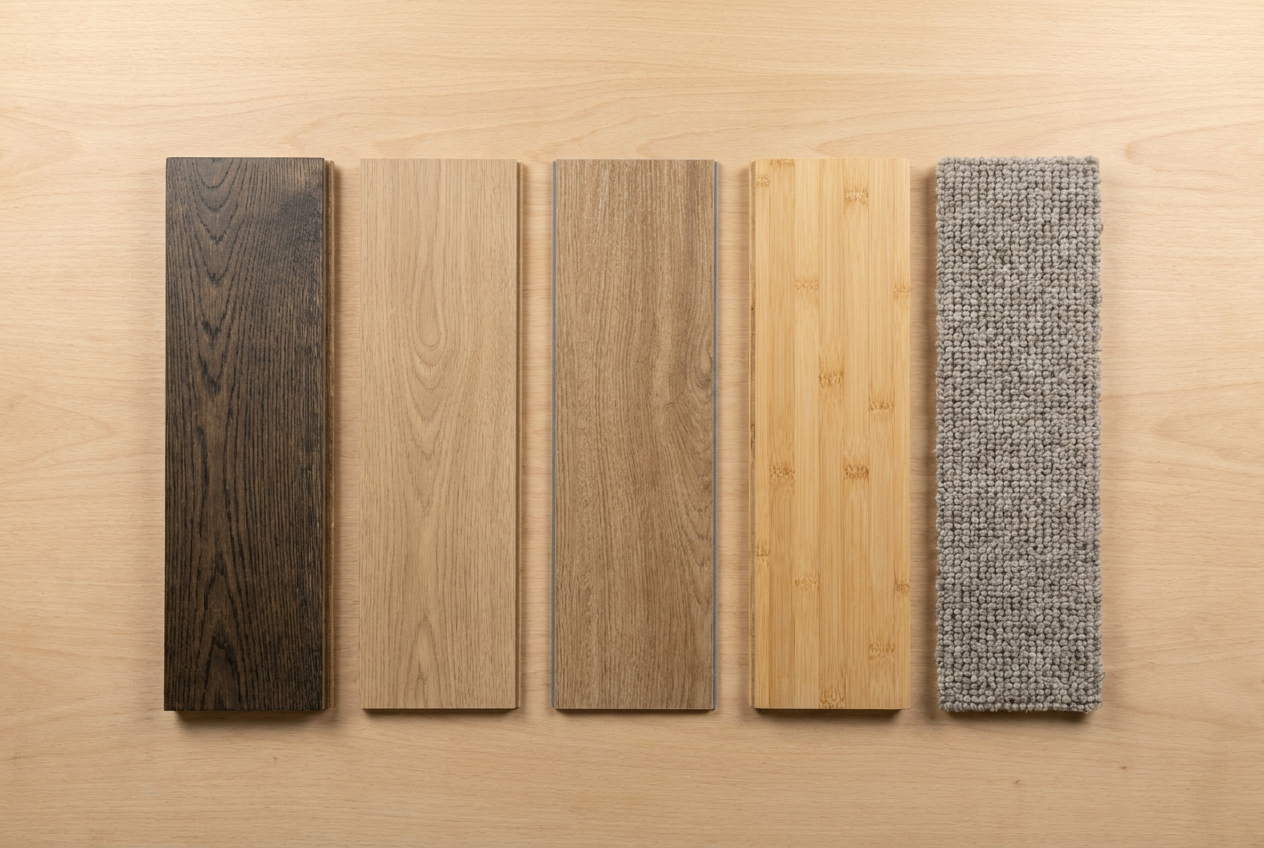
Choosing a carpet for your lounge is one of the most satisfying home upgrades you can make — it adds warmth, comfort underfoot, and a real sense of cosiness. With so many options on the market, though, it can feel overwhelming. This guide breaks down what actually matters so you can make a confident, well-informed choice.
Why the Lounge Has Specific Carpet Needs
Your lounge is typically a medium-to-high traffic area — it sees daily foot traffic, pets, kids, furniture legs, and the occasional spilled cup of tea. Unlike a bedroom, where softness is the priority, a lounge carpet needs to balance comfort with durability and easy maintenance. NZ homes also deal with a wide range of climates, from the humidity of Auckland to the cold winters of the South Island, so choosing a carpet that handles moisture and temperature variation is worth thinking about.
Carpet Fibre Types: Which Is Best?
The fibre your carpet is made from is the single biggest factor in how it performs and feels.
| Fibre | Durability | Softness | Stain Resistance | Cost (as a guide) |
|---|---|---|---|---|
| Wool | Excellent | Luxurious | Good (natural resilience) | Higher |
| Nylon | Excellent | Very good | Very good | Mid–high |
| Polyester (PET) | Good | Very soft | Good | Mid |
| Polypropylene (Olefin) | Moderate | Moderate | Excellent | Lower |
| Wool/Nylon blend | Excellent | Luxurious | Very good | Mid–high |
Wool is a perennial favourite in NZ and for good reason — it's a natural, renewable fibre that handles our climate well, resists crushing, and has a natural ability to release stains when treated promptly. A quality wool or wool-blend carpet in the lounge can last 15–20 years with proper care.
Nylon is the most durable synthetic option and holds up extremely well in busy lounges. It's often treated with stain-resistant coatings and is a great choice if you have kids or pets.
Polyester is very soft and comes in a wide range of colours, but can flatten over time in high-traffic zones. It works well in a lounge that doesn't see heavy daily use.
Pile Style: Loop, Cut, or Twist?
The pile refers to the surface texture of the carpet.
- Twisted pile (also called textured or frieze): The most popular choice for NZ lounges. The twisted fibres are resilient, hide footprints and vacuum marks, and suit busy family homes.
- Loop pile (Berber): Durable and great for hiding dirt, but can snag on pet claws. Better suited to lower-traffic areas or homes without pets.
- Cut pile / plush: Luxuriously soft and elegant, but shows footprints and vacuum tracks more easily. Works beautifully in a formal lounge that doesn't get heavy daily use.
- Saxony: A refined cut pile with a smooth, velvety finish — stunning but best reserved for low-traffic lounges.
For most NZ family lounges, a medium-density twisted pile in wool or nylon hits the sweet spot of comfort, durability, and practicality.
Don't Skimp on Underlay
Underlay is often an afterthought, but it makes an enormous difference to how your carpet feels and how long it lasts. A good underlay:
- Adds cushioning and warmth underfoot
- Extends the life of your carpet by absorbing impact
- Improves thermal and acoustic insulation — important for NZ homes trying to meet the Healthy Homes Standards
- Reduces the transfer of cold from concrete subfloors
Look for a medium-to-firm density underlay (around 10–12 mm thick) for a lounge. Avoid very soft, thick underlays under loop pile carpets as they can cause premature wear.
Colour and Pattern Choices for NZ Lounges
Mid-tones and earthy neutrals are practical for lounges — they hide everyday dirt better than very light or very dark shades. Warm greys, sandy tones, and soft greens are popular in NZ homes right now and complement both timber and painted interiors well.
Patterned carpets can disguise wear and staining effectively, while plain carpets make a room feel larger and more open. Consider how much natural light your lounge gets — darker carpets can make a south-facing room feel smaller.
Ratings and Standards to Look For
When comparing carpets, check the wear rating (sometimes called a duty rating). For a lounge, look for a carpet rated heavy domestic or above. Some manufacturers also provide a Wool Mark certification for wool products, which is a useful quality indicator.
BRANZ research supports the use of carpet as a contributor to thermal comfort in NZ homes, particularly in cooler regions.
Practical Tips Before You Buy
- Get samples and live with them — take carpet samples home and view them in your lounge's natural light at different times of day.
- Measure carefully — account for doorways, alcoves, and any stairs. A professional installer will measure for you.
- Ask about seams — in larger lounges, seam placement matters for appearance and durability.
- Check the warranty — reputable carpet brands offer wear and stain warranties. Ask your supplier for details.
You can browse carpet ranges at retailers like Bunnings or Mitre 10, though specialist flooring stores often carry a wider selection and more expert advice.
When to Call a Professional
Carpet installation is not restricted work under NZ law, but it is a skilled trade. Poor installation leads to wrinkles, lifting edges, visible seams, and premature wear. A professional flooring installer will:
- Prepare the subfloor correctly (levelling, fixing squeaks, moisture-checking concrete slabs)
- Stretch the carpet properly using a power stretcher — not just a knee kicker
- Lay underlay neatly and join seams invisibly
- Finish edges and transitions to doorways cleanly
For the best result, hire a qualified flooring installer. You can find experienced local professionals on tradedirectory.co.nz.