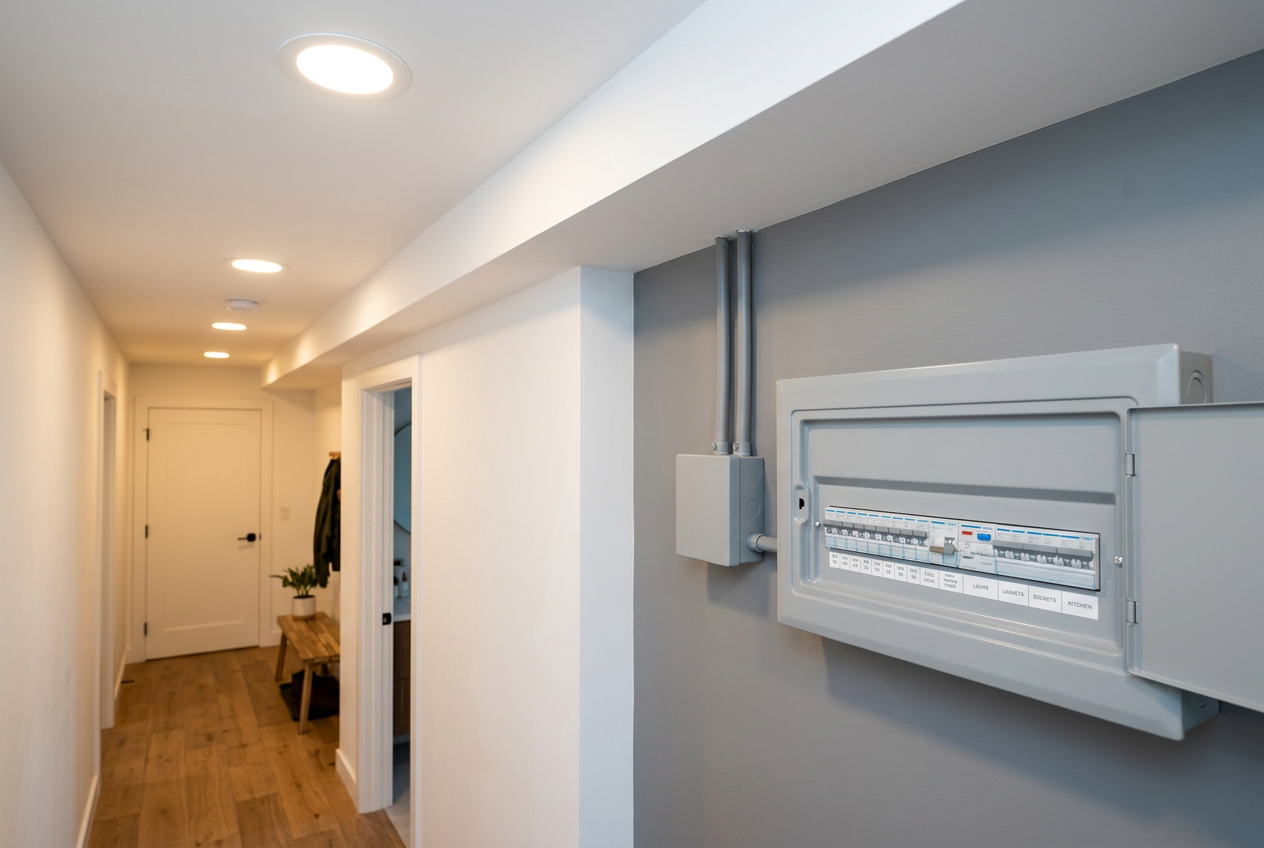
If you've recently had electrical work done on your home, you may have heard the term Certificate of Compliance — or CoC — thrown around. In New Zealand, this document is a legal requirement for most electrical work, and understanding it can protect your safety, your insurance, and your property value.
What is a Certificate of Compliance?
A Certificate of Compliance (CoC) is an official document issued by a licensed electrical inspector or the electrician's employer (an Electrical Inspection Body) confirming that electrical work has been carried out correctly and safely, in accordance with the NZ Electrical Code of Practice and the relevant New Zealand Standards. It is a legal requirement under the Electricity Act 1992 and the Electricity (Safety) Regulations 2010.
In plain terms: a CoC is your proof that the electrical work in your home is safe and up to code.
When is a CoC Required?
A CoC is required whenever prescribed electrical work is completed. This includes:
- Installing new power points, light fittings, or circuits
- Upgrading or replacing a switchboard or consumer unit
- Wiring a new room, garage, or sleepout
- Installing a heat pump, electric oven, or other hardwired appliance
- Any new electrical installation or significant alteration to existing wiring
Minor work — such as replacing a light bulb or a plug on a cord — does not require a CoC. However, the line between minor and prescribed work is often misunderstood, so when in doubt, always check with a licensed electrician.
Who Can Issue a CoC?
Only a registered electrician working under an Electrical Inspection Body (EIB) can certify and issue a CoC. The Electrical Workers Registration Board (EWRB) oversees the registration and licensing of all electrical workers in New Zealand.
There are different classes of registration, including:
- Registered Electrician — can carry out and certify most domestic and commercial work
- Craftsman Electrician — a higher qualification
- Electrical Inspector — authorised to inspect and certify work done by others
Always ask to see your electrician's registration before work begins. You can verify their registration on the EWRB website.
What Does a CoC Look Like?
A CoC will typically include:
| Detail | What to Expect |
|---|---|
| Job address | Your property address |
| Description of work | What was installed or altered |
| Electrician's name & registration number | Confirms they are licensed |
| Inspection Body details | The certifying organisation |
| Date of issue | When the work was certified |
| Signature | Authorised signatory |
Keep your CoC in a safe place with your other important property documents — you may need it when selling your home, making an insurance claim, or applying for a building consent.
What is Restricted Electrical Work?
In New Zealand, all prescribed electrical work is restricted work — meaning it is illegal for an unlicensed person to carry out or connect it. This is not just a technicality; doing your own wiring without a licence is a serious safety risk and can void your home insurance.
⚠️ Safety note: Faulty electrical work is a leading cause of house fires in New Zealand. Never attempt wiring, switchboard work, or hardwired appliance installation yourself unless you are a registered electrician.
The only electrical tasks a homeowner can legally do themselves include:
- Replacing a plug or flex on a portable appliance
- Changing a light bulb or tube
- Resetting a tripped circuit breaker
For everything else, hire a licensed professional.
Does Electrical Work Also Need a Building Consent?
Sometimes, yes. Certain electrical work — particularly in new builds, major renovations, or work involving wet areas (bathrooms, kitchens) — may also require a building consent under the NZ Building Code. The MBIE Building Performance website has clear guidance on when consents are needed. Your electrician should advise you, but it's worth checking yourself too.
Note that a CoC and a building consent are separate documents — you may need both.
Why Your CoC Matters
- Insurance: Many insurers will decline claims related to electrical faults if no CoC exists for the work
- Selling your home: Buyers and their solicitors increasingly ask for CoCs as part of due diligence
- Safety: It's your assurance the work won't cause a fire or electrocution
- Legal compliance: Failing to obtain a CoC where required can result in fines under the Electricity (Safety) Regulations
When to Call a Professional
For any electrical work beyond the minor tasks listed above, you must engage a licensed electrician. A good electrician will handle the CoC process as part of the job — you shouldn't have to chase it up. If an electrician completes prescribed work and doesn't provide a CoC, that is a red flag.
You can find qualified, local electricians on tradedirectory.co.nz — look for those who are EWRB-registered and experienced in residential work.