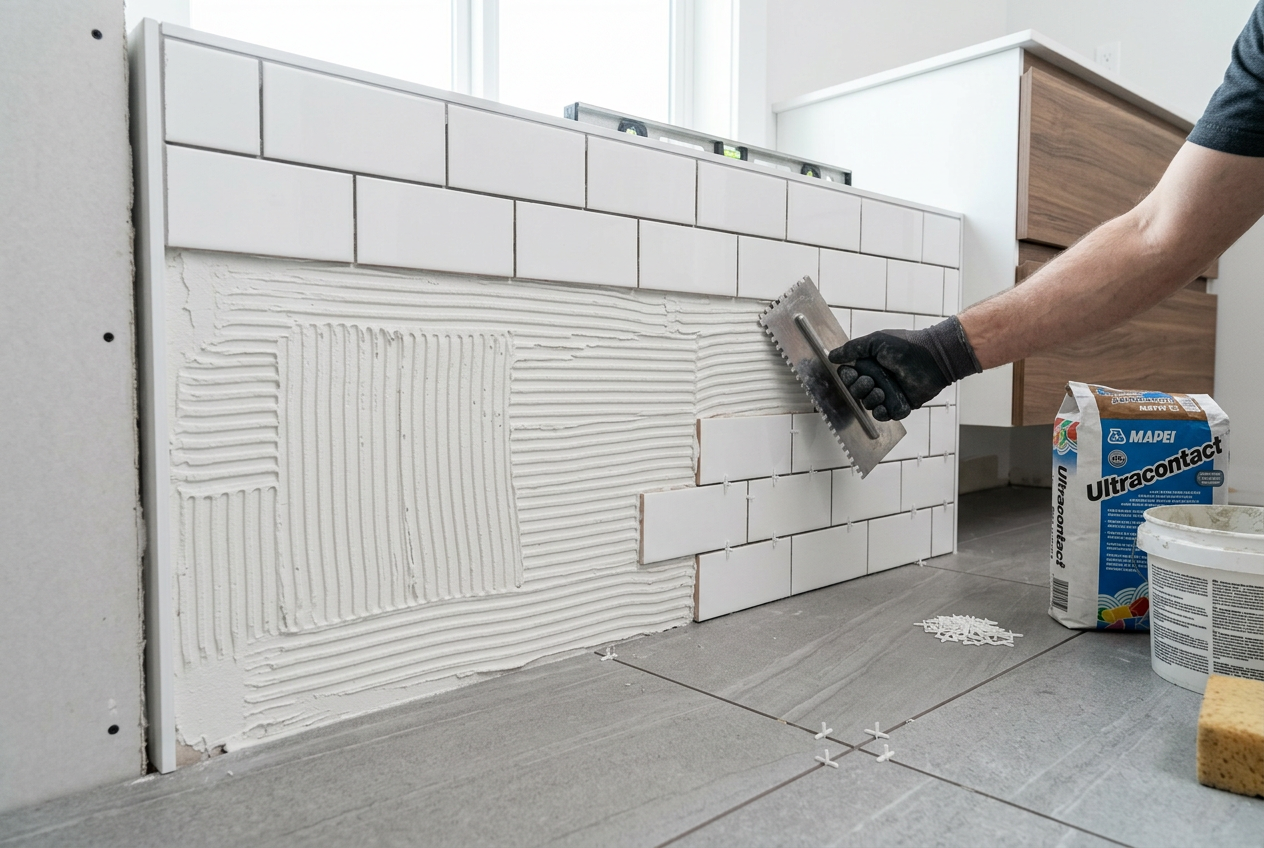
Grout might only fill the gaps between your tiles, but it has a surprisingly big impact on the finished look of a room. Choose the wrong colour and even beautiful tiles can look flat or dated — get it right and the whole space comes together. Here's what you need to know before you commit.
Understanding What Grout Colour Actually Does
Grout colour affects how your eye reads the tiling pattern. A matching grout (close to the tile colour) creates a seamless, uniform look that makes a space feel larger and calmer. A contrasting grout (noticeably lighter or darker than the tile) emphasises the grid pattern and adds visual interest — great when you want the layout itself to be a feature.
Neither approach is wrong; it comes down to the look you're after and the practical demands of the space.
The Main Colour Strategies
Match the Tile
Choosing a grout that closely matches your tile colour is the most popular approach in NZ homes. It works especially well with:
- Large-format tiles where you want minimal visual interruption
- Neutral palettes (whites, greys, stone tones)
- Small bathrooms or laundries where you want the room to feel more spacious
Go Contrasting
A contrasting grout — for example, dark charcoal grout with white subway tiles — draws attention to the tile pattern. This suits:
- Feature walls and splashbacks
- Geometric or patterned tiles where the shape is part of the design
- Homeowners who want a bold, contemporary look
Neutral Mid-Tones
If you're unsure, a mid-grey or warm beige grout is a safe middle ground. It hides dirt better than bright white, doesn't dominate like black, and suits a wide range of tile colours.
Practical Considerations for NZ Conditions
Wet areas (bathrooms, showers, laundries) are governed by NZS 4121 and the NZ Building Code clause E3 (Internal Moisture). In these spaces, grout colour choice also intersects with grout type — always use a waterproof or water-resistant grout (epoxy or polymer-modified cement grout) in showers and around baths. BRANZ has useful guidance on wet area construction standards.
For outdoor tiling — think patios, pool surrounds, or decks — NZ's UV exposure and freeze-thaw cycles in cooler regions (Canterbury, Otago, Southland) mean you need a grout rated for exterior use. Colour can fade outdoors over time, so factor that in.
Mould and mildew are a real concern in NZ's humid climates, particularly in Auckland and other northern regions. White and very light grouts show mould growth quickly. A mid-grey or darker grout will disguise early mould and reduce the frequency of heavy cleaning. The Tenancy Services Healthy Homes standards highlight moisture control as a priority — good grout choice is part of that picture for rental properties too.
Light vs Dark Grout: A Quick Comparison
| Feature | Light/White Grout | Dark/Charcoal Grout |
|---|---|---|
| Shows dirt & stains | More easily | Less easily |
| Shows mould | Quickly | Less obviously |
| Visual effect | Opens up space | Defines tile pattern |
| Maintenance | Higher | Lower |
| Best for | Low-traffic, dry areas | Kitchens, showers, floors |
| Style | Classic, airy | Bold, contemporary |
How to Test Before You Commit
Grout colours on packaging or swatches often look different once applied and dried — they typically dry lighter than they appear wet. A few tips:
- Ask your tile supplier for a small sample of grout and do a test patch on a spare tile or offcut
- View the test in the actual room's lighting (natural light vs artificial light changes colour perception significantly)
- Suppliers like Mapei and Ardex offer a wide range of grout colours and their staff can help you narrow down options
- Hold the grout swatch against your tile in the space — don't rely on memory or photos alone
Grout Colour and Tile Size
The size of your tiles affects how prominent the grout lines are, which in turn affects how much the colour matters:
- Small mosaic tiles have lots of grout lines — colour choice is very noticeable and can shift the overall tone of the installation significantly
- Large-format tiles (600mm+) have fewer, thinner grout lines — colour matters less, though it still contributes to the overall feel
- Standard subway or 300×300mm tiles sit in the middle — grout colour is clearly visible and worth thinking through carefully
Sealing Your Grout
Whatever colour you choose, sealing cement-based grout after installation (and periodically thereafter) is strongly recommended in NZ wet areas and kitchens. Sealing helps maintain colour, resist staining, and slow mould growth. Epoxy grouts are non-porous and don't require sealing, but they're harder to work with and are usually best left to a professional tiler.
When to Call a Professional
While choosing grout colour is a decision you can make yourself, the actual tiling and grouting work in wet areas is best handled by a qualified tiler — especially in showers and around baths where waterproofing is critical under the NZ Building Code. Poor grouting in wet areas can lead to water damage, mould, and costly repairs.
If you're unsure about your project scope or want the job done right first time, find a qualified local tiler on tradedirectory.co.nz. A good tiler will also help you finalise your grout colour choice based on your specific tiles and conditions.