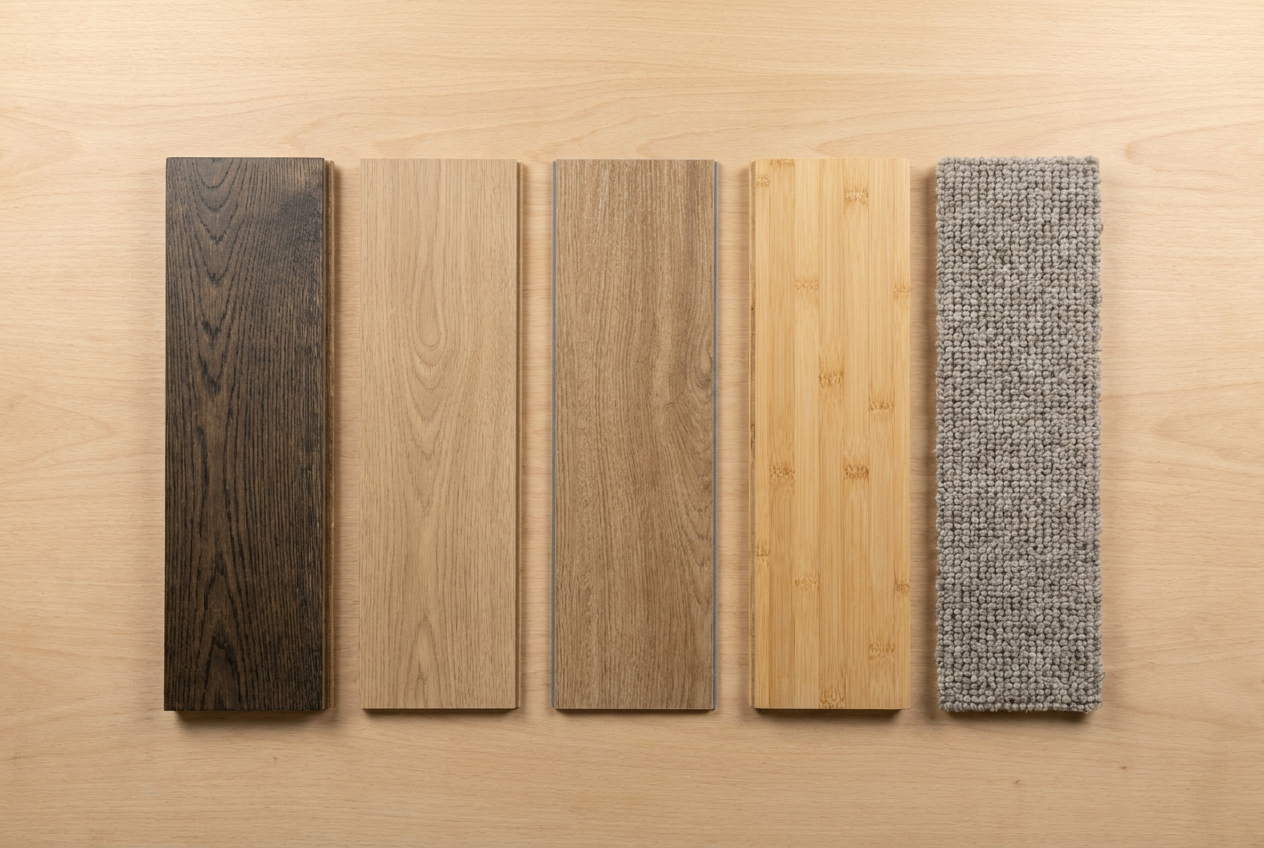
Flooring is one of the first things buyers notice when they walk through a home — and one of the last things sellers think to upgrade. Getting it right before you list can meaningfully lift your sale price and reduce time on the market. Here's a practical guide to the flooring choices that resonate most with New Zealand buyers.
Why Flooring Matters to NZ Buyers
New Zealand's housing market is competitive, and buyers are savvy. Tired carpet, scratched vinyl, or mismatched tiles can make an otherwise tidy home feel dated and unloved. Conversely, fresh, quality flooring signals that a property has been well maintained — which builds buyer confidence and supports a stronger offer. According to BRANZ, interior presentation is a key factor in perceived home value, and flooring is a major component of that first impression.
Solid Timber and Engineered Wood: The Gold Standard
Solid timber flooring consistently tops buyer wish lists in New Zealand. Species like rimu, matai, and kauri carry a warm, authentic character that resonates strongly here, particularly in villas and bungalows. Polished or oiled native timber can be a genuine selling point — buyers often pay a premium for it.
Engineered wood is a practical modern alternative. It uses a real timber veneer over a stable plywood core, making it more resistant to NZ's humidity swings than solid timber. It suits slab-on-ground construction (common in newer builds) and can be floated or glued down. For sellers, engineered wood offers a high-end look at a lower cost than solid timber.
As a rough guide, professional supply and installation of engineered wood typically ranges from around $80–$150+ per square metre, depending on species, thickness, and finish — though prices vary by region and supplier.
Luxury Vinyl Plank (LVP): The Practical Crowd-Pleaser
Luxury vinyl plank (LVP), sometimes called SPC (stone plastic composite) or WPC flooring, has become enormously popular in New Zealand over the past decade — and for good reason. It is:
- Waterproof — ideal for NZ's wet-area-adjacent living spaces and open-plan kitchens
- Highly durable — resistant to scratches from pets and kids
- Comfortable underfoot — especially products with an attached underlay
- Cost-effective — generally more affordable than timber
For rental properties or homes with a practical, family-friendly appeal, LVP can deliver excellent return on investment. Buyers appreciate that they won't need to replace it soon after moving in. You'll find a wide range at Bunnings and Mitre 10, though a flooring specialist will offer a broader selection and professional installation.
Carpet: Still Has Its Place
Fresh carpet in bedrooms remains popular with NZ buyers, particularly families. It adds warmth and acoustic comfort — important in our cooler southern regions. However, worn, stained, or strongly coloured carpet is a red flag for buyers and can actively reduce offers.
If your carpet is tired, replacing it with a neutral, mid-grade wool-blend or nylon carpet in bedrooms before listing is usually worthwhile. Avoid cheap, thin carpet — buyers can feel the difference underfoot.
Tiles: Right Room, Right Choice
Quality porcelain or ceramic tiles in kitchens, bathrooms, and laundries are expected by buyers and add genuine value. Large-format tiles (600×600mm or bigger) feel contemporary and are easier to clean. Ensure grout lines are clean and consistent — re-grouting is a low-cost upgrade that makes a big visual difference.
Note that wet-area tiling must comply with NZS 4223 and the NZ Building Code clause E3 (Internal Moisture). If you're retiling a shower or bath surround, waterproofing membranes are a legal requirement — not optional. Products from Ardex and Mapei are widely used by NZ tilers for compliant waterproofing systems.
Comparing Your Options at a Glance
| Flooring Type | Buyer Appeal | Durability | Relative Cost | Best Rooms |
|---|---|---|---|---|
| Solid timber | Very high | High (refinishable) | $$$ | Living, dining, hallways |
| Engineered wood | High | High | $$ | Living, bedrooms, open plan |
| Luxury vinyl plank | High | Very high | $ – $$ | Whole home, wet-adjacent areas |
| Carpet (quality) | Medium–high | Medium | $ – $$ | Bedrooms |
| Porcelain tile | High | Very high | $$ – $$$ | Kitchen, bathroom, laundry |
What to Avoid Before Selling
- Mixing too many flooring types across open-plan spaces — it fragments the flow and feels busy
- DIY installation of timber or LVP without the right tools and experience — poor joins and gaps are immediately obvious to buyers
- Cheap laminate — it sounds hollow underfoot and buyers associate it with low quality
- Leaving damaged areas unrepaired — a cracked tile or lifted plank draws the eye and raises questions about overall maintenance
Healthy Homes and Rental Properties
If you're selling a rental property, note that Tenancy Services Healthy Homes standards require adequate insulation and draught stopping. While flooring itself isn't directly regulated under Healthy Homes, replacing cold, draughty floors and ensuring underfloor insulation is in order will be attractive to buyers who understand the standards.
When to Call a Professional
For most flooring upgrades, a qualified flooring installer will deliver a far better result than DIY — and buyers can tell the difference. Poorly laid floors with visible joins, hollow spots, or uneven transitions can actually reduce buyer confidence rather than build it.
For wet-area tiling involving waterproofing membranes, or any work that touches plumbing or drainage, you must use a licensed tradesperson. Plumbing work is restricted under the Plumbers, Gasfitters and Drainlayers Board — unlicensed work is illegal and can void your home insurance.
You can find experienced, vetted flooring installers in your area at tradedirectory.co.nz.