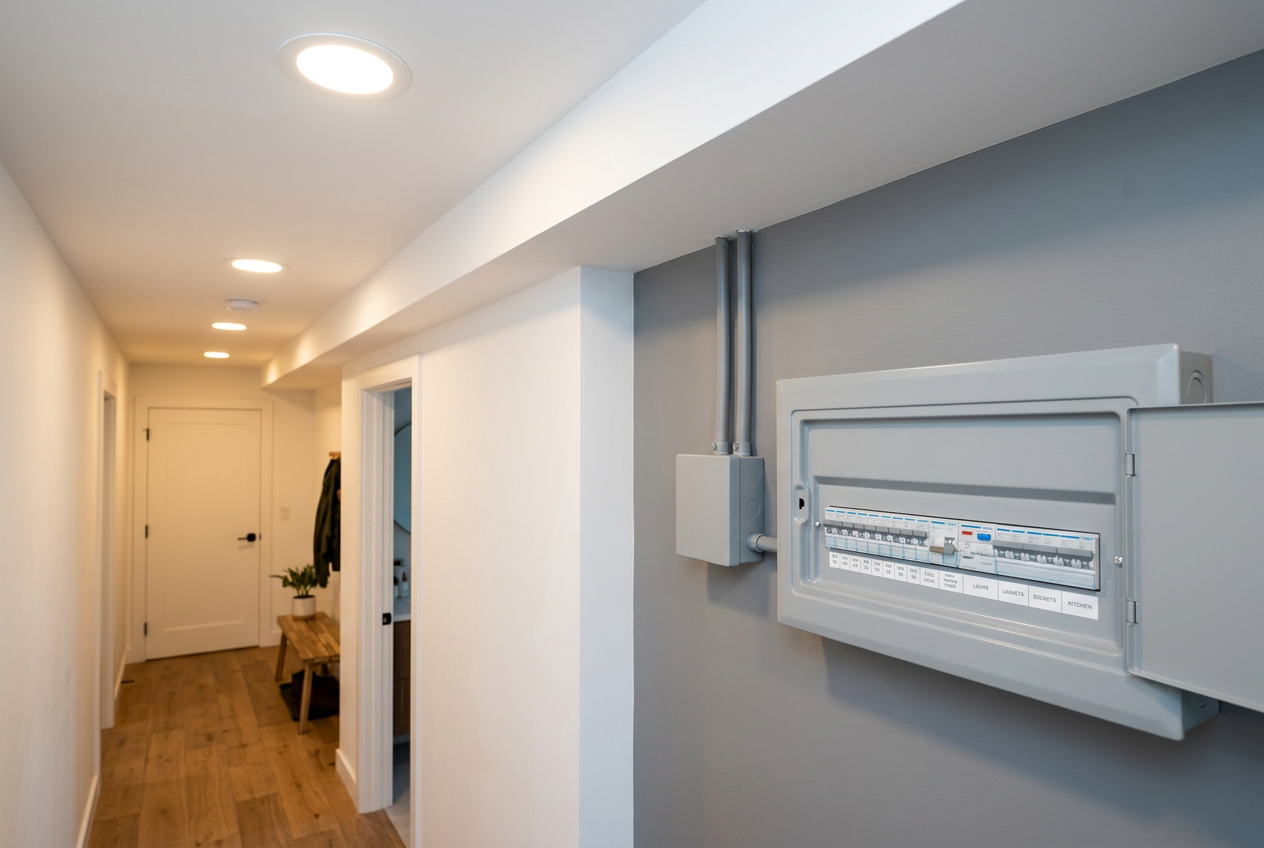
Flickering lights are one of the most common electrical complaints from NZ homeowners — and they range from completely harmless to genuinely dangerous. Understanding the likely cause can help you decide whether it's a quick DIY fix or time to pick up the phone and call a qualified sparky.
The Most Common Causes of Flickering Lights
Flickering can stem from several different sources. Here's a breakdown of the most likely culprits:
1. Loose or Faulty Light Bulbs
The simplest explanation is often the right one. A bulb that isn't properly seated in its fitting can cause intermittent contact and flickering. Try switching off the light, letting the bulb cool, then firmly reseating it. This is something any homeowner can safely do.
2. Incompatible Dimmer Switches
If your flickering light is on a dimmer circuit, the dimmer may not be compatible with your bulbs — particularly LED bulbs. Many older dimmer switches were designed for incandescent bulbs and don't play nicely with LEDs. Replacing the dimmer with an LED-compatible model (available at Bunnings or Mitre 10) often solves the problem, but note that replacing a dimmer switch is restricted electrical work — you'll need a licensed electrician to do it legally in New Zealand.
3. Loose Wiring Connections
Loose wiring is one of the more serious causes of flickering lights. Over time, connections at light fittings, switches, or the switchboard can work loose due to vibration, thermal expansion, or simply age. Loose connections create resistance, which generates heat — a leading cause of electrical fires. If multiple lights are flickering or the flickering is accompanied by a buzzing sound or warm switch plates, treat this as urgent.
4. Overloaded Circuits
When a large appliance (like a heat pump, washing machine, or electric oven) starts up, it draws a significant surge of current. If your lights dim or flicker briefly when an appliance kicks in, this is often normal — but if it's severe or frequent, it may indicate your circuits are overloaded or undersized for your home's current load.
5. Voltage Fluctuations
NZ homes operate on a 230V supply. Significant or frequent voltage fluctuations from the street supply can cause widespread flickering throughout the house. Your lines company (e.g. Vector, Orion, Unison) is responsible for the supply up to your meter — contact them if you suspect a supply issue.
6. Faulty Light Fitting or Fixture
The fitting itself may have a damaged socket, corroded contacts, or a failing ballast (in older fluorescent fittings). Replacing a light fitting is restricted electrical work in New Zealand and must be carried out by a registered electrician.
7. Ageing Wiring
Older NZ homes — particularly those wired before the 1980s — may have aluminium wiring or deteriorating insulation. These can cause intermittent faults and flickering, and pose a real fire risk. If your home is older and you're experiencing unexplained electrical issues, a full wiring inspection by a licensed electrician is strongly recommended.
Flickering Lights: Quick Comparison
| Cause | DIY Fix? | Urgency |
|---|---|---|
| Loose bulb | Yes | Low |
| Wrong bulb type for dimmer | Bulb only — dimmer needs sparky | Low–Medium |
| Incompatible dimmer switch | No — restricted work | Medium |
| Loose wiring connection | No — restricted work | High |
| Overloaded circuit | No — needs assessment | Medium–High |
| Voltage fluctuation (street supply) | Contact lines company | Medium |
| Faulty light fitting | No — restricted work | Medium |
| Ageing/deteriorating wiring | No — needs inspection | High |
What You Can Safely Check Yourself
As a homeowner, there are a few safe checks you can carry out:
- Reseat the bulb — turn off the switch, let it cool, and push the bulb in firmly.
- Try a different bulb — swap in a known working bulb to rule out a faulty globe.
- Check if the flickering is isolated — is it one light, one circuit, or the whole house? This helps narrow down the cause.
- Note when it happens — does it coincide with an appliance starting up? Is it constant or intermittent?
Do not attempt to open switchboards, rewire fittings, or replace switches yourself. This is restricted electrical work under the Electricity Act 1992 and must only be performed by a registered electrician. Doing it yourself is illegal and could void your home insurance.
When to Call a Professional
Call a licensed electrician promptly if you notice:
- Flickering across multiple lights or circuits
- A burning smell, discolouration, or warm switch/outlet plates
- Buzzing or crackling sounds from fittings or the switchboard
- Flickering that has started suddenly with no obvious cause
- An older home with wiring that hasn't been inspected recently
All electrical installation and repair work in New Zealand must be carried out by a registered electrician and certified with a Certificate of Compliance (CoC). You can verify a tradesperson's registration through the Electrical Workers Registration Board (EWRB). For peace of mind, find a qualified local electrician on tradedirectory.co.nz.
WorkSafe NZ provides guidance on electrical safety in the home, and BRANZ offers research-backed advice on NZ building and electrical performance.