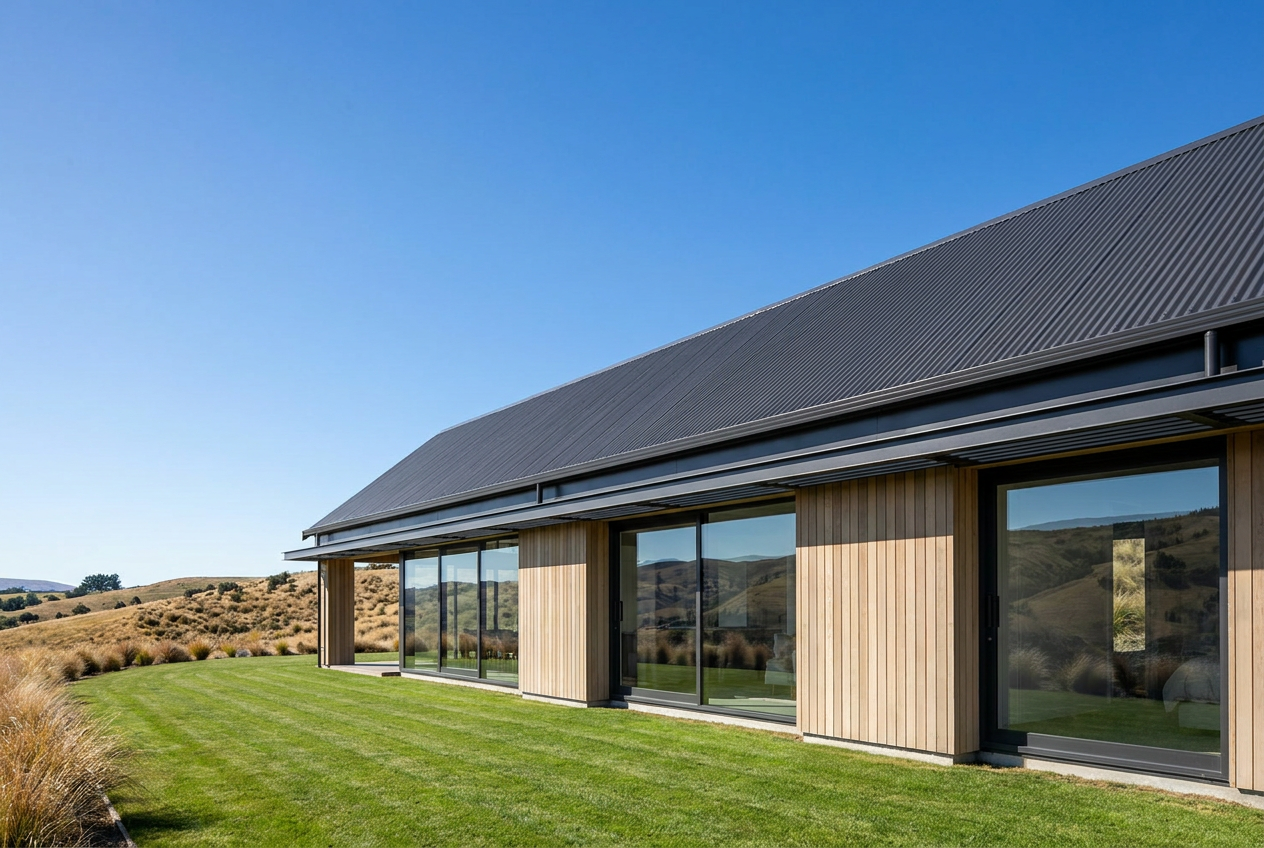
Condensation in the roof space is one of those sneaky problems that many New Zealand homeowners don't notice until real damage has already been done — think mouldy timber, rusting fixings, and soggy insulation. Understanding why it happens and how to address it can save you thousands in repairs and keep your home healthy.
What Is Roof Space Condensation?
Condensation occurs when warm, moisture-laden air meets a cooler surface and the water vapour turns to liquid. In a roof space, this typically shows up as water droplets on the underside of roofing iron or sarking, damp timber framing, or wet insulation. Left unchecked, it creates the perfect conditions for mould growth, timber rot, and corrosion of metal fixings — all of which can compromise the structural integrity of your roof.
Why Does It Happen in New Zealand Homes?
New Zealand's climate varies enormously — from the humid subtropics of Northland to the cold, frosty winters of Otago and Southland — but condensation in roof spaces is a problem right across the country. Several factors contribute:
- Warm, humid indoor air rising from living spaces through ceiling gaps, downlights, and unsealed penetrations
- Inadequate or blocked ventilation in the roof space, trapping moist air
- Insufficient or poorly installed insulation, causing the roof underside to stay cold
- Unflued gas heaters or poor bathroom/kitchen extraction, which pump large amounts of moisture into the home
- Older homes with no underlay or sarking beneath the roofing iron, giving moisture nowhere to drain
- Airtight modern homes that are well-insulated but under-ventilated
BRANZ research consistently identifies roof space ventilation and air sealing as key factors in moisture management in NZ housing.
How to Diagnose the Problem
Before you start fixing things, confirm condensation is actually the issue (rather than a roof leak). Here's how to tell the difference:
| Sign | Condensation | Roof Leak |
|---|---|---|
| Moisture pattern | Widespread, even dampness | Localised drips or staining |
| Timing | Worse in cold mornings | Follows rain events |
| Timber condition | Broad surface mould/damp | Concentrated rot or staining |
| Roofing iron | Droplets across large area | Rust or damage at one point |
Get into your roof space on a cold morning with a torch and look for widespread moisture on the underside of the iron, damp insulation batts, or a white salt-like residue (efflorescence) on timber — all classic signs of condensation.
Practical Fixes You Can Do Yourself
1. Improve Roof Space Ventilation
The single most effective fix is increasing airflow through the roof space. Good ventilation allows moist air to escape before it condenses. Options include:
- Soffit vents installed along the eaves to allow cool, dry air in
- Ridge vents at the apex of the roof to let warm, moist air out
- Gable-end vents on homes with gable roofs
As a general guide, aim for a balanced intake and exhaust ventilation system. Products are available from Mitre 10 and Bunnings. Installing soffit vents is a manageable DIY task for a confident homeowner, but cutting into fascia or roofing materials is best left to a professional.
2. Seal Air Leaks in the Ceiling
Stopping warm, moist air from getting into the roof space in the first place is just as important as ventilating it out. Common leak points include:
- Recessed (downlight) fittings — use airtight downlight covers above them
- Gaps around pipes, cables, and flues penetrating the ceiling
- Unsealed cornices and ceiling roses
- Manhole hatches — fit a foam seal around the frame
Use appropriate acoustic/fire-rated sealant around penetrations. MBIE Building Performance provides guidance on what's required under the NZ Building Code for ceiling air barriers.
3. Check and Upgrade Your Ceiling Insulation
A well-insulated ceiling keeps the living space warm and reduces the temperature differential that drives condensation. If your insulation is old, compressed, or damp, it's time to replace it. The Energywise website has useful guidance on recommended R-values for different NZ climate zones. Damp insulation should be removed and replaced — it provides almost no thermal benefit and can harbour mould.
4. Improve Extraction at the Source
Make sure your bathroom, kitchen, and laundry extraction fans vent outside the building — not just into the roof space, which is a surprisingly common issue in older NZ homes and a direct cause of condensation. Check the ducting runs all the way to an external vent.
5. Consider a Roof Underlay
If your home has bare corrugated iron with no underlay beneath it, condensation will drip directly onto your ceiling and insulation. A non-drip or anti-condensation underlay (sometimes called sarking) can be retrofitted, though this is a significant job involving lifting or replacing roofing iron — definitely a job for a qualified roofer.
When to Call a Professional
Some aspects of fixing roof space condensation are beyond DIY scope:
- Retrofitting underlay or sarking beneath existing roofing iron
- Installing ridge or mechanical ventilation systems that require cutting into the roof
- Replacing rotted structural timber (this may be restricted building work under the NZ Building Code, requiring a Licensed Building Practitioner)
- Significant mould remediation — if mould is widespread, professional assessment is recommended
- Any work involving electrical extraction fans must be carried out by a registered electrician licensed with the EWRB
If you're not sure of the extent of the problem, a qualified roofer or building inspector can assess your roof space and recommend the right solution. You can find experienced local roofers and building tradespeople on tradedirectory.co.nz.
Safety note: Always take care when accessing your roof space. Ensure adequate lighting, watch your step on ceiling joists (never stand on the plasterboard between them), and wear a dust mask and gloves when handling old insulation.