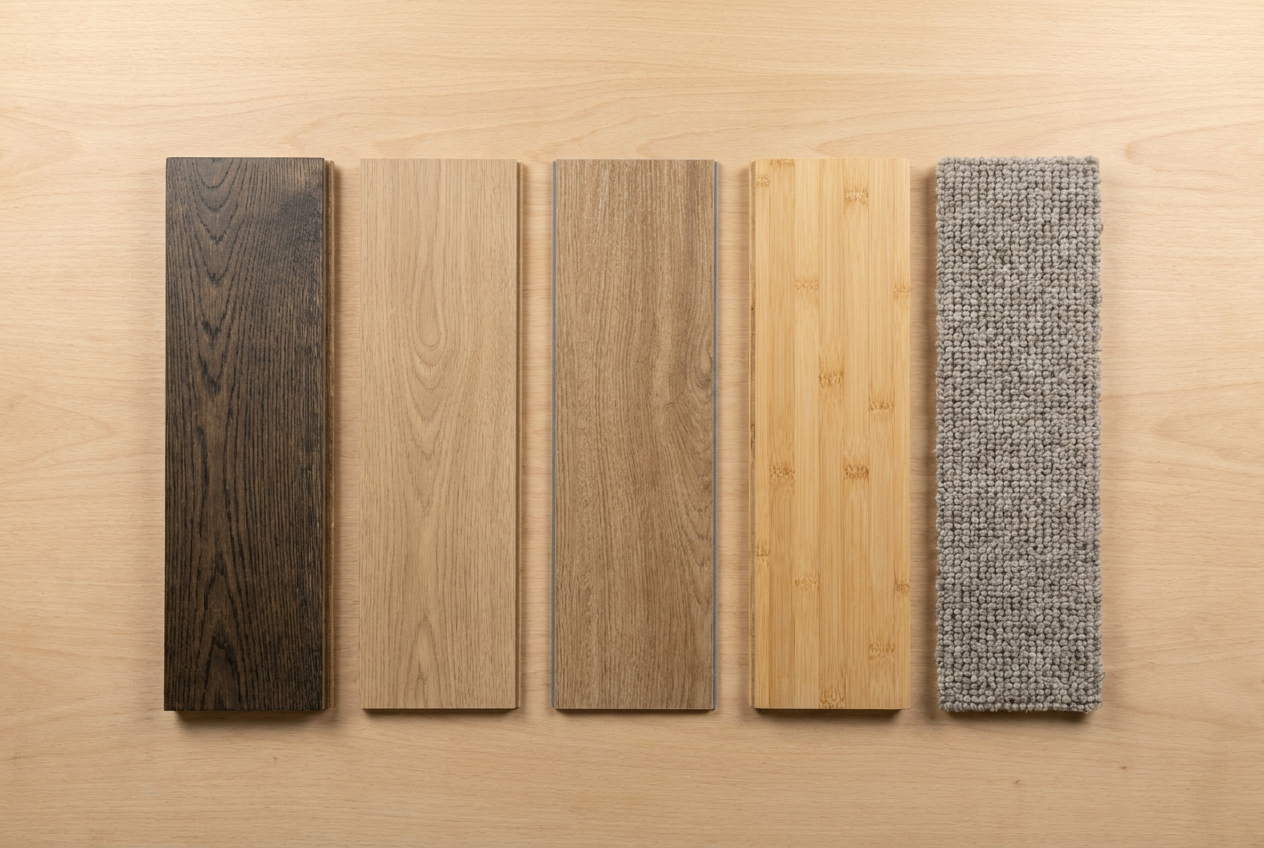
Stairs and hallways are the hardest-working spots in any home — they're walked on constantly, bent around tight angles, and expected to look tidy for years. Choosing the right carpet for these areas isn't just about colour; fibre type, pile style, density, and underlay all play a big role in how well it holds up.
Why Stairs and Hallways Need Special Consideration
Unlike a bedroom or lounge, stairs and hallways experience concentrated foot traffic in a narrow path. Stairs also put carpet under repeated flexing stress at the nose (the front edge of each step), which can cause premature wear if the wrong product is chosen. A carpet that performs beautifully in a living room may look tired and flattened within a couple of years in a hallway.
Best Fibre Types for High-Traffic Areas
The fibre your carpet is made from is the single biggest factor in durability.
- Wool – The gold standard for NZ conditions. Wool is naturally resilient, bounces back well underfoot, and handles the damp, variable climate we experience across much of the country. It's also naturally flame-resistant, which is a useful safety bonus on stairs. Wool carpets tend to cost more, but they often outlast synthetic options in high-traffic zones.
- Wool/nylon blend (e.g. 80% wool / 20% nylon) – A popular middle ground. The nylon adds abrasion resistance while keeping the comfort and look of wool. This blend is widely recommended by flooring professionals for stairs and hallways.
- Nylon (polyamide) – The toughest synthetic option. It resists crushing and abrasion well, is easy to clean, and is generally more affordable than wool. A good-quality nylon carpet is a solid choice if budget is a consideration.
- Polypropylene (olefin) – Stain-resistant and budget-friendly, but it tends to flatten under heavy use and doesn't recover as well. Generally not recommended as a first choice for stairs.
- Polyester – Soft and colourfast, but similar to polypropylene in that it can mat down with heavy traffic. Better suited to low-traffic bedrooms.
Pile Style: What Works on Stairs
Pile style refers to how the carpet fibres are constructed and cut.
- Loop pile (Berber) – Durable and holds its appearance well, but loops can snag on shoe heels or pet claws on stairs, which is a safety and wear concern. Use with caution on stairs.
- Cut pile / twist pile – The most common choice for stairs and hallways. Twisted fibres spring back after compression, resisting flattening. Look for a tight, dense twist.
- Cut-and-loop (textured) – Can work well but check that the pattern doesn't make it difficult to cut neatly around stair nosings.
- Low to medium pile height – Stick to a pile height under about 12–15 mm for stairs. Deep shag or high-pile carpets are harder to install safely on stairs and can be a trip hazard.
Density and Weight Matter
A carpet's face weight (grams per square metre of fibre) and density give you a good indication of durability. Higher density means fibres are packed more tightly together and will resist crushing better. When comparing products at Mitre 10 or a specialist flooring retailer, ask for the face weight and density rating — a knowledgeable flooring installer can help you interpret these figures.
Don't Skimp on Underlay
Underlay is often overlooked, but it's critical on stairs and hallways. A quality underlay:
- Cushions each step, reducing fatigue and noise
- Helps the carpet maintain its shape and resist wear
- Adds a layer of thermal insulation underfoot
For stairs, use a firm, medium-density underlay rather than a very thick, soft one — too much give underfoot can make stairs feel unstable and cause the carpet to move. Your flooring installer will typically recommend a product suited to the specific carpet you've chosen. BRANZ research supports the use of appropriate underlay as part of a complete flooring system.
Colour and Pattern Tips for Hallways
| Feature | Good Choice | Why |
|---|---|---|
| Colour | Mid-tones, heathered or flecked | Hides everyday dirt and footprints |
| Pattern | Subtle texture or small repeat | Disguises wear paths |
| Very light or very dark | Use with caution | Shows marks and lint more readily |
In NZ homes, particularly older villas and bungalows with narrow hallways, a patterned wool or wool-blend carpet in warm, earthy tones is a classic choice that ages gracefully.
Safety on Stairs
Carpet choice directly affects stair safety. Key points:
- Ensure the carpet is firmly fixed at every nosing — loose carpet on stairs is a serious trip hazard
- Avoid very thick or high-pile carpets that can obscure the edge of each step
- Make sure stair nosings are clearly defined, especially in homes with elderly residents or young children
- WorkSafe NZ identifies falls on stairs as a significant home injury risk — proper installation is as important as product choice
Installation: DIY or Professional?
Stair carpet installation is one of the more technically demanding flooring jobs. Cutting carpet accurately around nosings, fitting it tightly into risers and treads, and securing it properly with gripper rods or staples requires experience and the right tools. Poor installation leads to bubbling, loose edges, and premature wear.
When to Call a Professional
For stairs and hallways, we strongly recommend using a qualified flooring installer. A professional will:
- Accurately measure and minimise waste (carpet is sold by the linear or square metre and mistakes are costly)
- Advise on the best product for your specific staircase configuration
- Ensure safe, compliant installation with correct fixing methods
- Provide a finish that looks great and lasts
You can find experienced local flooring installers on tradedirectory.co.nz — it's always worth getting two or three quotes and asking to see examples of previous stair installations.